
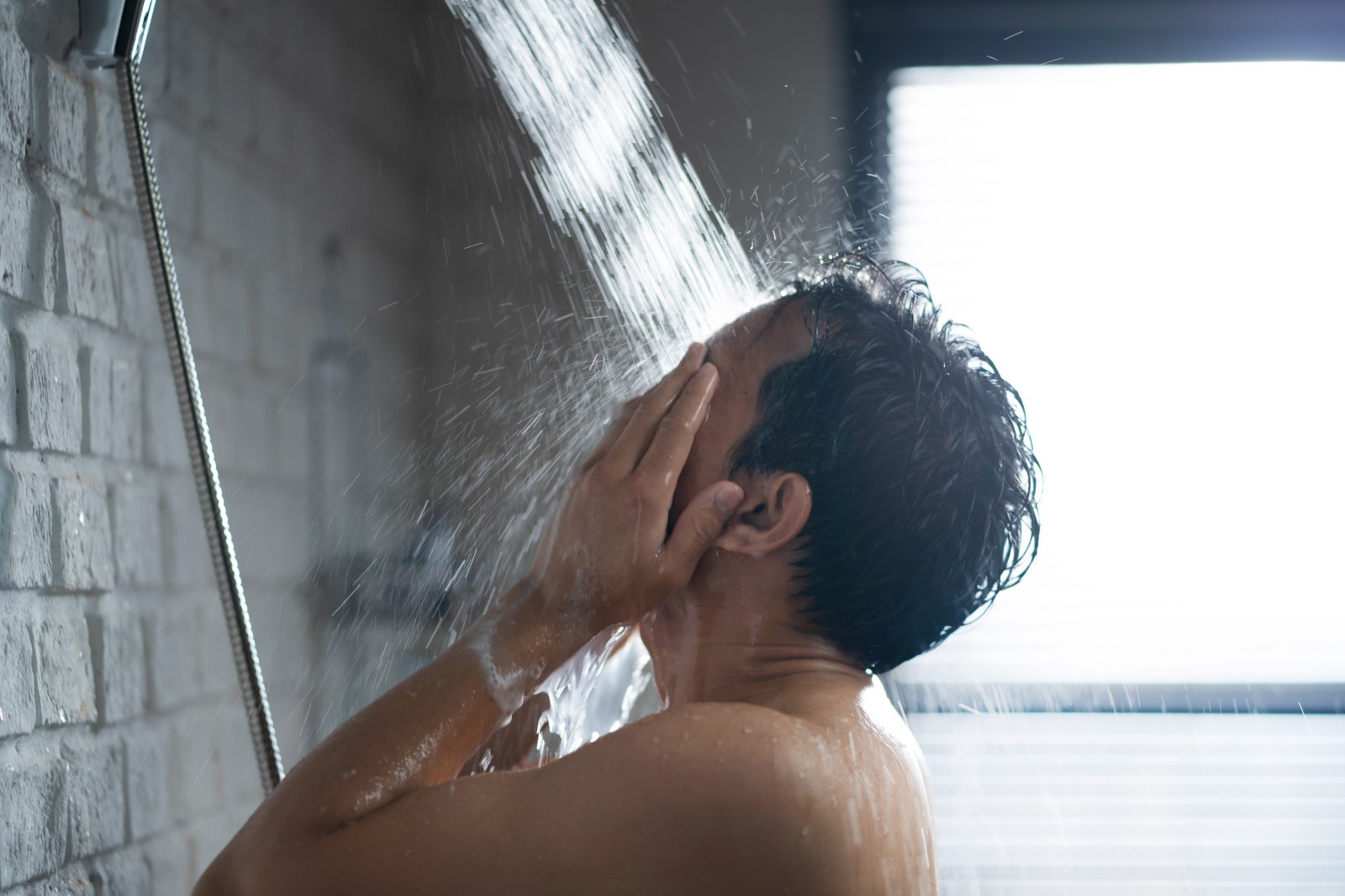
New research reveals that decisions made during shower routines, like shampoo frequency and water usage styles, significantly impact household water consumption. The study, featured in the Journal of Environmental Management, highlights that showering accounts for 25% to 45% of indoor water use, making it the largest contributor to household water consumption.
Researchers monitored 319 German households, installing smart sensors in bathrooms. These sensors tracked 8,550 shower events over 40 days, collecting data on shower duration, water flow interruptions, and environmental conditions. Information on demographics, hair characteristics, and product use was gathered through post-shower surveys.
Shampoo Application and Shower Duration
Results indicate shower behaviors have a notable effect on shower length. One clear pattern found was related to shampoo use. Showers with two or more shampoo applications lasted about 27% longer than those with a single application. Dr. Pablo Pereira-Doel, a co-author from the University of Surrey, stated, “Small routines such as applying shampoo twice or letting the water run while lathering can extend shower time far more than people realize.”
Impact of Water-Flow Interruptions
The study also discovered a link between water-flow pauses and longer showers. Participants who paused water flow three or more times took around 20% longer than those who never paused. Shower duration was 28% longer compared to those who paused only once.
Influence of Age and Water Hardness
Age influenced shower duration, with younger and middle-aged adults generally spending more time in the shower than those over 50. Regions with soft water showed showers lasting about 23% longer than areas with hard water, likely due to richer lathering and a more comfortable experience.
The EPA notes the average American shower lasts eight minutes, using 16 gallons of water. While reducing water demand often focuses on technologies, the study suggests addressing behaviors in the shower may yield better results. Recommendations include promoting single shampoo applications and turning off water while lathering.
Strategies to Reduce Water Use
Suggested approaches include behavioral nudges, feedback devices, and product design changes to reduce water use without losing comfort. “If we want to reduce household water consumption, we need to design solutions that work with people’s habits rather than against them,” Pereira-Doel said.
Seemingly minor shower practices can significantly affect water use. While conservation technologies are important, understanding daily habits is equally crucial for cutting household consumption.
Reference: David Morizet et al, Event-level modelling of showering behavior in German households: Triangulating smart-meter, in-situ survey and contextual public data, Journal of Environmental Management (2026). DOI: 10.1016/j.jenvman.2026.130596
Contact Newsweek editors on this story: Kara Dolman and Emma Lee-Sang