
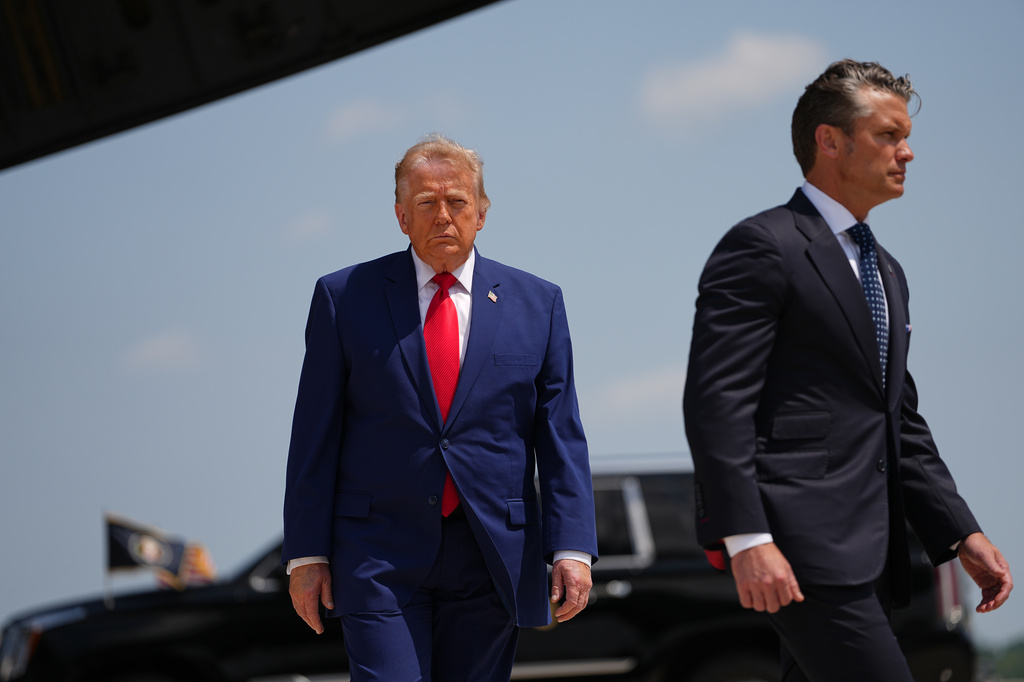
President Donald Trump and Secretary of Defense Pete Hegseth attended the dignified transfer of four U.S. service members recently killed in the Middle East at Dover Air Force Base, Delaware, on July 22, 2026. This event recalls a 1969 Life magazine feature that deeply divided America by showing photographs of 242 young men killed in a week in Vietnam. The feature humanized the war’s cost, challenging the Pentagon’s focus on enemy kill-counts as a measure of success.
Previously, military leaders emphasized enemy body counts to claim progress, despite U.S. losses. Citizens, viewing the faces of fallen soldiers, began questioning this narrative. A similar sentiment existed during World War II, with newspapers listing the names and death locations of American soldiers, sparking pressure on U.S. leaders to end the war swiftly.
This week, the Trump administration decided to resume emphasizing kill counts, controversially excluding four recent deaths from official war casualty figures. These soldiers died during a cease-fire; the Trump administration argues they are not war casualties, though Iran killed three and one died disarming an Iranian drone.
Despite their exclusion from casualty lists, Trump attended their dignified transfer, avoiding promotional attire. He later used his Truth Social platform to compare current war fatalities with those of Vietnam, Iraq, Afghanistan, and Korea, downplaying the losses. The message implied a lower death count signifies success, disregarding that current wars involve foreign actions.
Some skeptics question the counting of casualties only when beneficial to political narratives. Past controversies, such as Trump’s comments about military figures and Gold Star parents, coupled with clashes over photo ops at Arlington Cemetery, hint at a pattern of using military service members for political gain.
The 2021 Abbey Gate attack during Biden’s Afghan withdrawal killed 13 service members, fueling criticism. Biden faced backlash for the exit’s handling, highlighting a focus on political points over soldiers’ lives.
Trump may now face similar scrutiny, but the Pentagon’s initial decision to exclude these four deaths is troubling. On returning from Iraq, Vietnam veterans reassured me that returning safely was what mattered most. We must honor the memory of those who didn’t return, ensuring their sacrifices count and aren’t manipulated for political ends.
Joslin Joseph is an award-winning commentator and a Marine veteran who served in Iraq, now residing in Anaheim, California. He highlights the importance of recognizing and valuing the lives lost in conflicts, regardless of political implications.