
Rising Cyclospora Infections in the U.S.
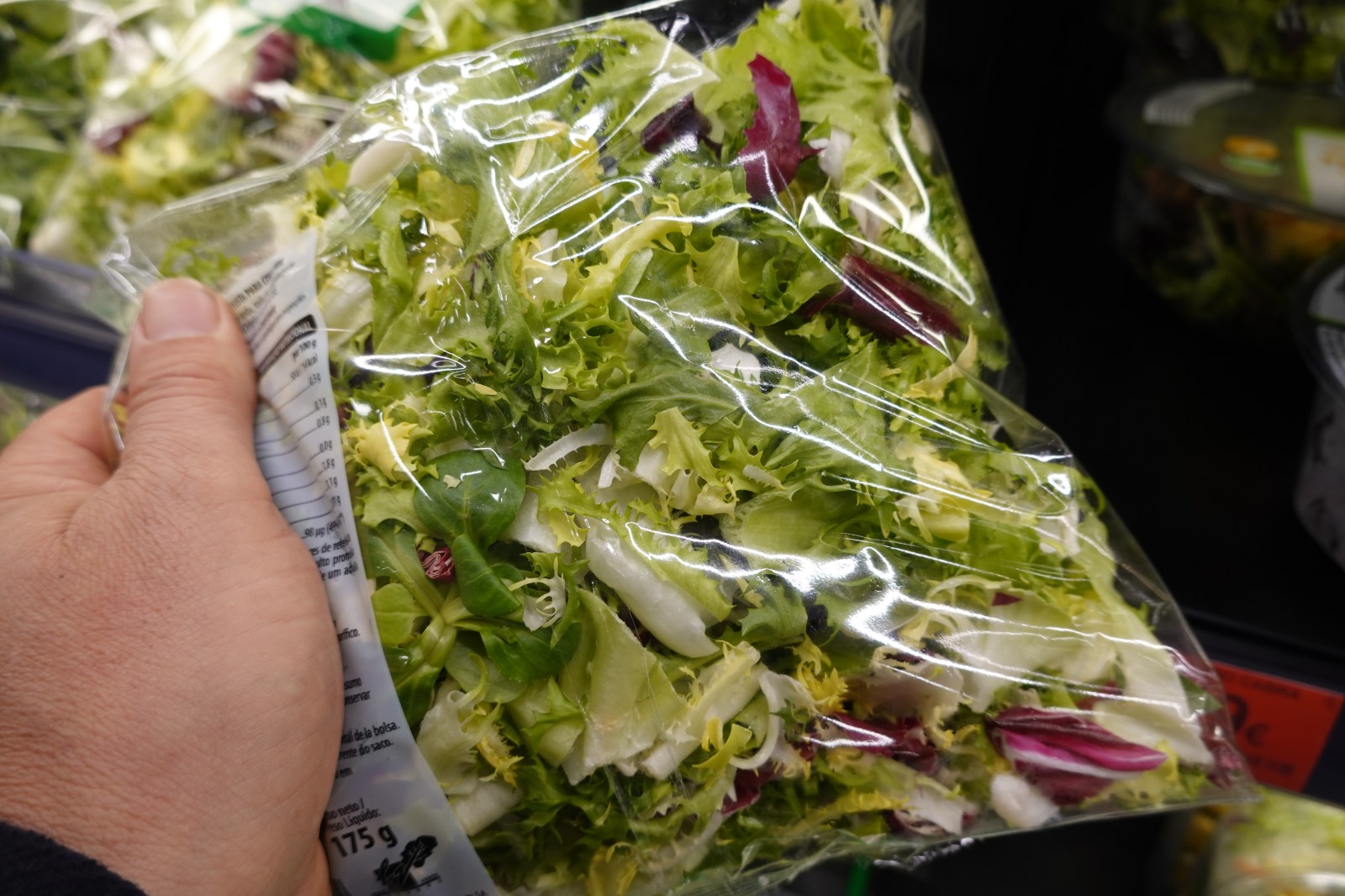
A former Food and Drug Administration (FDA) food safety chief is raising alarms for consumers about the rising threat of cyclospora infections, particularly linked to bagged salads. Susan Mayne, Yale School of Public Health professor and ex-director of the FDA’s Center for Food Safety and Applied Nutrition, spoke about the issue to CBS News.
This warning comes amid a widespread investigation of a multistate outbreak of cyclosporiasis, a condition caused by Cyclospora cayetanensis. This parasite frequently contaminates fresh produce and leads to gastrointestinal symptoms including watery diarrhea, cramping, and fatigue.
Current Outbreak Statistics
According to the Centers for Disease Control and Prevention (CDC), the U.S. has logged 4,173 confirmed cases and 7,400 unconfirmed reports since May. State records often report higher figures due to the inclusion of both confirmed and probable cases, as illustrated by Michigan’s tally of 8,176 cases.
The outbreak is one of the largest of its kind in the U.S. Federal investigations previously linked 1,947 illnesses in nine states to Taylor Farms shredded iceberg lettuce. Despite this, Taylor Farms has received no confirmed positive samples, according to statements provided to Newsweek.
Taylor Farms’ Safety Measures
Responding to inquiries, representatives from Taylor Farms assured their commitment to consumer health. The company invests heavily in food safety protocols and recalls in response to potential contamination, including suspending operations in central Mexico as a precaution.
Taylor Farms continues to collaborate with independent experts to review and enhance safety procedures at its facilities. Their management promises transparency as investigations proceed.
FDA’s Ongoing Investigations
The FDA is currently exploring another outbreak potentially linked to lettuce, parsley, or cilantro. Susan Mayne advises avoiding bagged salads to mitigate risks.
Despite Taylor Farms’ proactive recall efforts, Mayne emphasized that bagged salads pose higher contamination risks due to the distribution of affected produce.
Food Safety and Resource Challenges
Concerns around resource allocation for food safety in the U.S. are mounting in light of recent events. Mayne observed longstanding resource inadequacies in U.S. food safety systems. Although reductions in surveillance have been cited as necessary, Mayne contested these claims, underscoring real impacts from cuts.
Understanding Cyclospora
Cyclospora cayetanensis is a microscopic parasite causing cyclosporiasis. It typically infects individuals through contaminated food or water, often due to fecal contamination.
Possible vectors include inadequate sanitary facilities, where contaminated water may affect produce like lettuce. Symptoms range from prolonged diarrhea to nausea and fatigue, with manifestations lasting weeks to months if untreated.
The infection does not spread directly from person to person, making containment challenging. Treatment usually involves the antibiotic trimethoprim-sulfamethoxazole, with complete recovery expected in most cases.
Special caution is advised for vulnerable groups who risk severe dehydration and extended illness.