
The House of Representatives passed a resolution on Thursday aiming to halt U.S. military involvement in Iran. This measure serves as a warning to President Donald Trump as the conflict escalates amid growing uncertainty. The resolution passed with a narrow 214-208 vote, echoing the sentiment that congressional approval is required for war efforts.
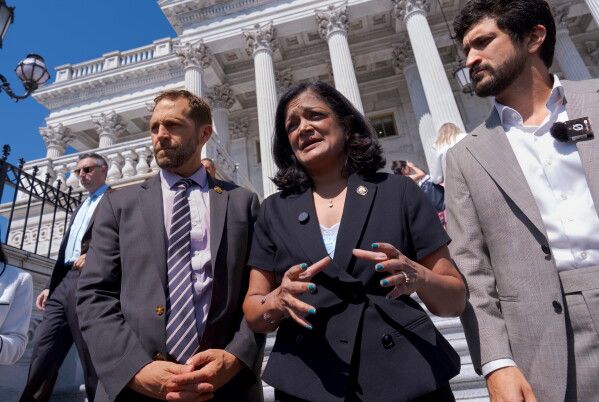
While the Senate narrowly dismissed a similar resolution with a 47-49 vote, these moves are largely symbolic. They indicate waning support for Trump in Congress as questions arise about the administration’s objectives. Rep. Pramila Jayapal of Washington, who led the House resolution, criticized the lack of clear mission and strategy.
The resolution passed with limited Republican support, signaling a divide. Despite this, most Republicans in both the House and Senate voted to support the war and allow the president to retain control over military actions.
Joint U.S. and Israeli airstrikes initiated the conflict in February. A ceasefire attempted in April was declared over by Trump earlier this month.
Trump maintains that continuing attacks on Iran are not a return to extended conflict. Following an earlier House vote, he labeled it “unpatriotic.” A policy statement from the White House urged lawmakers to oppose the resolution, emphasizing the president’s constitutional authority to defend against threats from Iran.
Despite ongoing airstrikes, diplomatic efforts have shown little progress. The situation remains tense, with the strategic Strait of Hormuz still largely inaccessible. The conflict threatens global economic stability, contributing to rising fuel prices ahead of the fall midterm elections.
Sen. Chris Van Hollen, a key Senate figure opposed to the war, stressed its unpopularity and the financial impact on Americans. Meanwhile, House debates reflected deep partisan divides. Rep. Brian Mast highlighted the sacrifices of fallen service members, while Rep. Gregory Meeks called for transparency and condemned what he described as an illegal war.
Senate Minority Leader Chuck Schumer emphasized the need for Congressional intervention if the president does not heed public opinion. Trump’s controversial stance has significant political implications, with those opposing him facing backlash.
Trump has publicly criticized Republicans siding with Democrats, labeling them “grandstanders.” His approach influenced political dynamics, as seen with Sen. Bill Cassidy. After voting against the war, Cassidy engaged directly with Trump, leading to a policy briefing. This exchange influenced Cassidy’s later vote alignment with the administration.
Recent polls show a majority of Americans disapprove of Trump’s handling of Iran. This sentiment is reflected in both support and skepticism within Republican ranks.
Sen. Tim Kaine suggests that if Trump bypasses Congress, lawmakers should restrict war funding. A recent budget proposal, containing allocations for the Iran conflict, may face challenges in the Senate.
The Associated Press contributed to this report.