
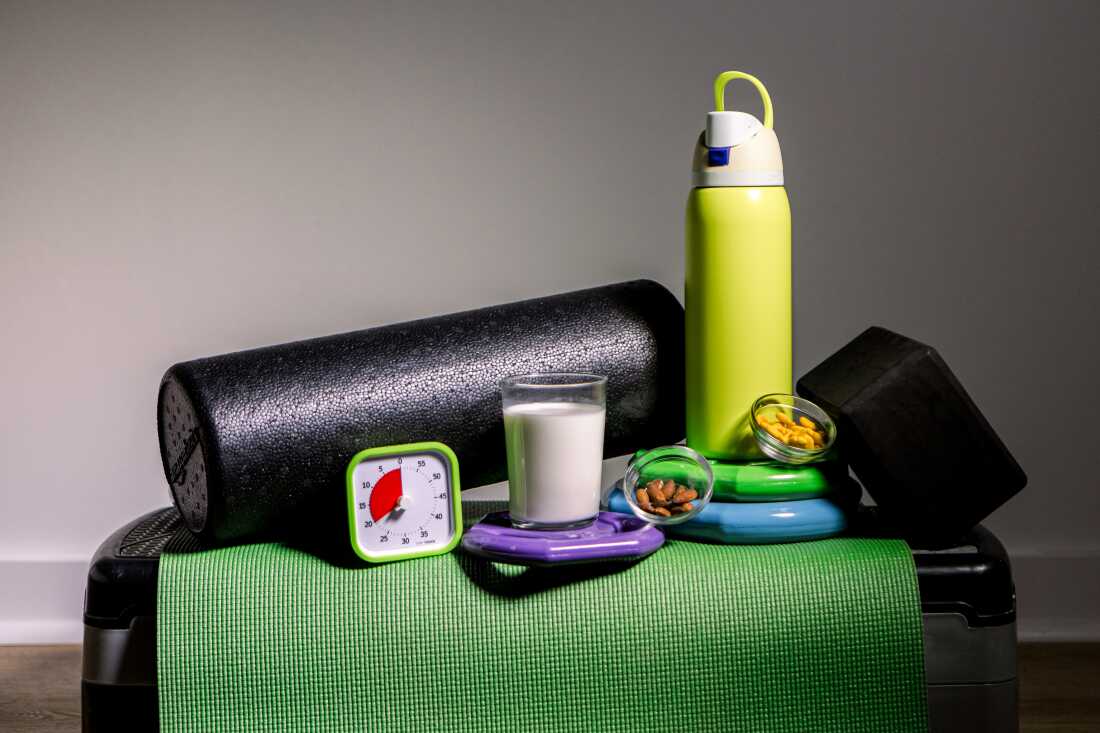
A Comprehensive Post-Workout Routine
Including a 10- to 15-minute cool down, stretching, foam rolling, and a protein snack in your routine can significantly enhance your post-workout recovery and performance. Professional athletes, such as Anna Cockrell, have witnessed substantial benefits from paying attention to these activities.
Studies reveal exercise recovery can lower injury risks and alleviate soreness, improving athletic performance. Despite these benefits, many overlook these vital steps, notes Dr. Natasha Desai from NYU Langone Health. According to Desai, neglecting post-workout care can lead to long-term issues, even for fitness enthusiasts.
Cool Down
A 10-15 minute cool down helps prevent dizziness and fatigue. Transitioning from high-intensity workouts to rest abruptly can cause blood pressure drops, resulting in dizziness or fatigue. The cool down serves as an important transition phase, redistributing blood flow from muscles back to organs.
“It’s a bad idea to go straight from your last rep to your car,” says Anna Cockrell.
How to do it: Spend 10 to 15 minutes doing low-intensity activities like speed walking, slow jogging, or cycling at a reduced pace. Mixing these movements during cool down ensures effective recovery.
Foam Rolling
Foam rolling can be beneficial especially when targeting areas such as the quads, hamstrings, and iliotibial band. Though evidence about foam rolling’s direct impact on soreness is limited, many find it helpful—so it is encouraged if you feel positive effects.
How to do it: Use a foam roller by placing it on the ground and positioning your muscle over it. Gradually roll, focusing on the muscle groups used during your workout. Each muscle should be rolled for about a minute before moving to the next.
Stretching
Stretching plays a crucial role in injury prevention and boosting flexibility. Done regularly, it improves range of motion and should feel like a light muscle pull, never painful.
How to do it: Start with basic stretches; aim for stretches like the quadriceps stretch or knee-to-chest. Each stretch should be held for approximately 30 seconds. Yoga classes can further enhance flexibility.
Protein Intake
Proper nutrition post-exercise affects muscle development. Protein aids muscle building by converting into amino acids. Sports medicine experts recommend up to 1.7 grams per kilogram of body weight each day for active individuals.
How to do it: Consume protein shakes, bars, or milk post-workout. Plant-based sources like lentils, beans, nuts, or tofu can provide essential nutrients.
Relaxing Bath: A Bonus Tip
An indulgent recovery option includes baths with essential oils and Epsom salts, thought to reduce inflammation and muscle tension.
We invite you to share your thoughts. Contact us via voicemail at 202-216-9823 or email [email protected]. Listen to Life Kit on Apple Podcasts and Spotify, and subscribe to our newsletter. Follow us on Instagram: @nprlifekit.