
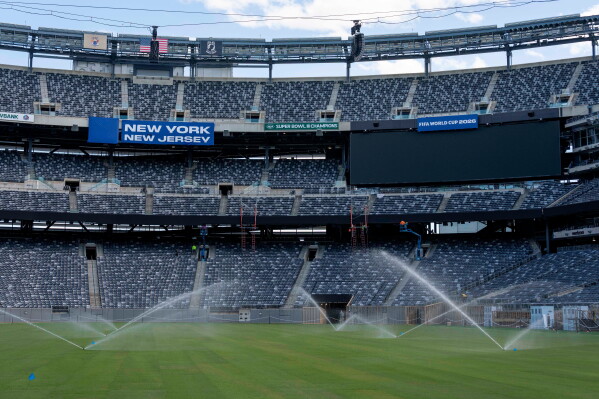
Tourists from various countries visited the United States to enjoy the World Cup and discovered much more than soccer. They tasted local dishes like Raising Cane’s chicken and explored landmarks such as Buc-ee’s travel plaza, marveling at the vastness of American culture.
Many visitors arrived with preconceived ideas shaped by global media and social platforms. However, their observations often contradicted, or at least enriched, these perceptions. While global headlines frequently describe the U.S. as politically fractured, tourists encountered friendly drivers, locals eager to share experiences, and discovered the welcoming nature of Americans.
Americans Embrace World Cup Visitors
From Asia, Europe, Africa, and Latin America, countless social media posts consistently praise American hospitality during the World Cup. Locals gladly joined international fans cheering for teams at sports bars, city parades, and matches.
Sebastian Reader, a 28-year-old from London, extended his World Cup visit into a three-month U.S. tour. He found friendliness in major cities like Chicago and Boston, and smaller states like Arkansas. In Dallas, locals showcased quintessential American experiences from showing off cars to socializing late into the night.
Harry Gunns, another traveler from London, remarked on the abundant hospitality he encountered. Americans offered recommendations and even extended invitations for home-cooked meals. Gunns noted the immediate warmth from locals, contrasting with slower acceptance in the U.K.
Zineb Benlamlih, visiting from Morocco, engaged with locals in activities like salsa dancing in Central Park, feeling an immediate familial connection.
Victoria Phillips-Hunter highlighted the exceptional service received from hospitality workers, meriting generous tips for their enthusiasm and dedication.
Tackling Misconceptions About Division
Tourists initially feared political division based on news coverage but discovered a different reality during their visit. Phillips-Hunter felt anxious due to social media content, yet her positive interactions dispelled these concerns.
Gunns mentioned doubts regarding international acceptance due to past political climates. Yet, his experience revealed Americans as inclusive and open. Benlamlih acknowledged travel restrictions affecting friends from Chad and Somalia but contrasted this with Morocco’s excitement to partake in the Cup.
Rafal Kolankowski, originally from Poland, shared that despite stereotypes abroad, many realize the U.S. offers opportunities, driving people to move there.
Reader anticipated encountering political polarization but instead found Americans across states to be consistently affable. He chose to steer clear of politics, a sentiment many locals appreciated.
The overwhelming friendliness experienced by World Cup tourists reshaped their understanding of American society, providing them with distinct personal anecdotes to share back home.