
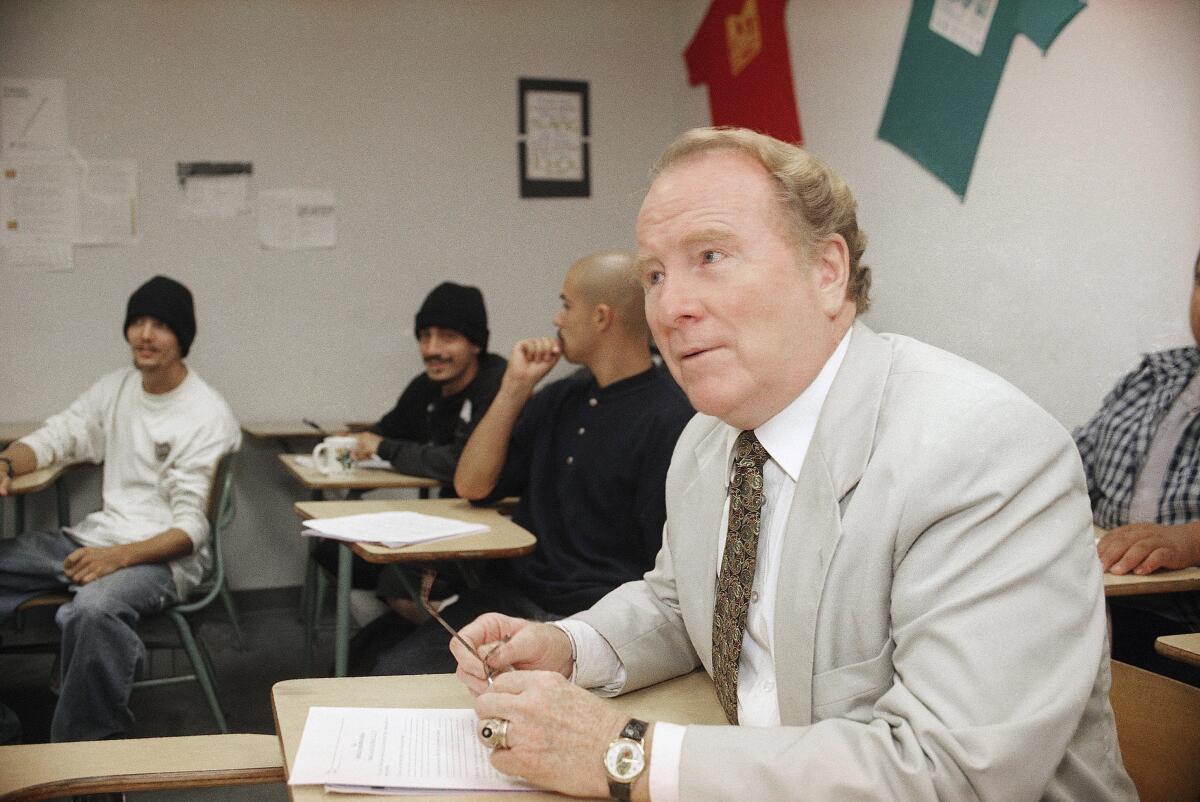
Thirty years ago in the fall, a Republican politician raised claims of electoral fraud after losing a tight race. Former Orange County Representative Bob Dornan refused to accept logical explanations for his defeat to Loretta Sanchez in a historic upset. Voters had grown weary of Dornan’s polarizing politics in this Latino-majority district, desiring representation that reflected their community. Dornan’s inability to secure benefits for his constituents contributed to his loss. Instead of accepting these realities, Dornan claimed that illegal immigrants were the cause.
The political atmosphere in California was ripe with anti-immigrant sentiment, leading to Dornan’s claims gaining traction among Republicans. Allegations of nonprofits registering noncitizens resonated among a receptive audience. Congress investigated these claims, while local lawmakers proposed measures requiring government-issued identification for voters, echoing a common voter suppression tactic.
The investigation concluded in 1998 with findings that only a negligible number of noncitizens had participated in the election, insufficient to alter the outcome. No charges were brought against individuals for voting illegally or improperly registering voters. When Dornan ran again, his efforts were decisively defeated by Sanchez, marking his decline into political obscurity.
This episode is taught in college classes as an example of political parties falling under the influence of demagogic figures who blame external forces for their failures. Notably, Dornan’s claims linger, as many Republicans believe illegal immigrants participate in elections favoring Democrats.
Recently, President Trump reiterated similar unfounded claims of electoral fraud involving noncitizens, incorporating wide-ranging conspiracy theories. Despite the lack of evidence, some continue to push for legislative action like Proposition 39, which would enforce citizenship verification and government-issued ID for voters.
Voter fraud allegations involving noncitizens remain scarce, both historically and currently. However, such claims can serve as rallying cries for those anxious about demographic changes and impending political losses. The Republican focus on these narratives risks alienating voters weary of Trump’s policies.
Even recent election outcomes in California reflect broader shifts, as Republicans have not achieved statewide victories in years. Trump’s unsubstantiated claims only serve to heighten skepticism about electoral integrity. Critics of Proposition 39 reference Trump’s rhetoric as a cautionary tale, undermining support for restrictive voting measures.
Ultimately, the pursuit of imagined noncitizen voters may yield short-term gains for some Republicans but will likely lead to long-term repercussions. Historical evidence from Orange County demonstrates how inclusive political strategies resonate more than exclusionary rhetoric. Latino voter engagement improved when Republicans addressed concerns directly, notably in the 2024 elections.
Trump’s appeal to Latino voters marked a significant political shift, yet his persistent focus on alleged voter fraud risks undermining potential advancement. As Election Day approaches, he remains unaware of the gravity of the situation for his party, partly due to his contentious strategies.