
In my early twenties, I was uncertain about my future but felt drawn to joining the military. At 23, I began the enrollment process, filled with anticipation. This was in 2010, and medical testing was one of the initial steps. It included a Pap smear, blood tests, urine samples, and an ECG. When the doctor offered a new HIV test via a simple mouth swab, I agreed without concern.
The swab test provided quick results, unlike previous methods. To my shock, the doctor returned with noticeable apprehension. The result indicated I was HIV positive. The doctor, lacking prior experience with a positive result, considered the possibility of a false positive. Further blood tests were sent for confirmation, a wait that spanned an agonizing week.
On December 8, 2010, I learned the truth. The initial test was correct; I was confirmed HIV positive. Devastation followed, with fears of social rejection and uncertain mortality clouding my mind. Despite not knowing when or from whom I contracted HIV, the doctor estimated it had been present for over a year. My CD4 count and viral load remained at manageable levels then.
The Role of Support and Acceptance
Following my diagnosis, my brother became my immediate confidant. Overwhelmed, I sought solace in his support. He embraced me without judgment, a comfort I desperately needed. Our bond assured me I was still valued and loved, despite my condition.
Accepting the diagnosis proved challenging. I lived under its weight, not fully acknowledging it until 2019. The end of a toxic relationship prompted a commitment to personal growth. I established a routine of daily movement, nutritious eating, and positive affirmations. This journey has led to embracing my reality and speaking openly about HIV.
I adhere to a strict regimen, incorporating exercise, healthy eating, and necessary medications. Antiretroviral therapy is key to managing my health, reducing the virus to undetectable levels, and preventing its transmission.
Redefining Life with HIV
HIV need not be a life-ending diagnosis. By confronting challenges openly, we can demonstrate that life continues with vitality and purpose. Education and dialogue are essential in countering outdated perceptions from past decades. Today’s advancements enable those with HIV to lead fulfilling lives, pursue dreams, and maintain family connections.
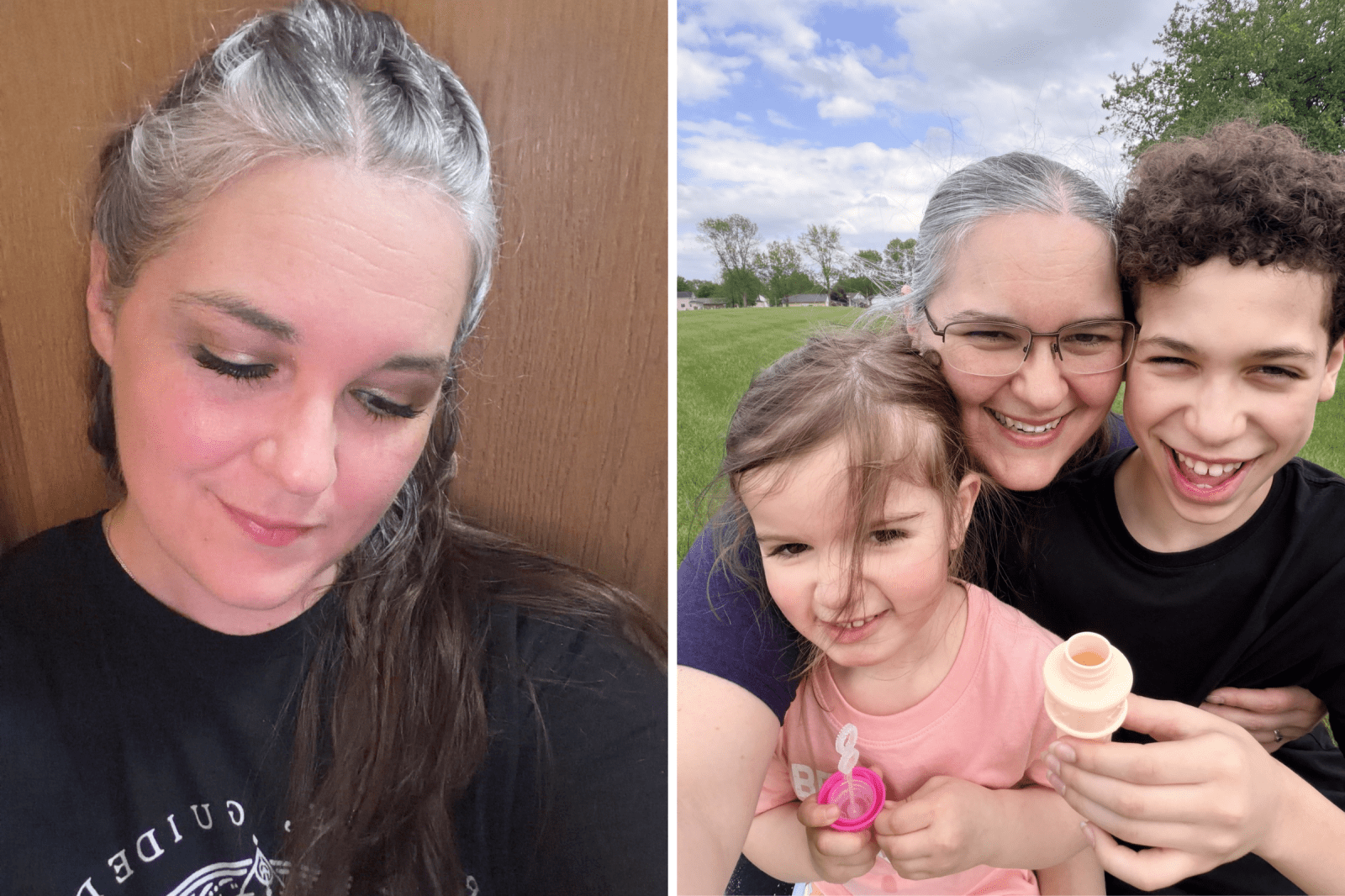
Sharing my status with my children has been a gradual process. My son, now 14, began learning about my diagnosis at 12. Conversations have been paced according to his understanding and interest. My daughter, at 3, will engage in similar discussions as she matures.
Despite facing stigma and misconceptions, I remain steadfast in my advocacy for HIV awareness. Public perception remains stuck in the past, but personal narratives can shape a more informed view. Life with HIV involves adaptation but not the loss of identity or potential.
Today, I embrace life’s opportunities and use my experiences to educate others. My platform on TikTok (@rising.scorpio1) helps spread awareness and fight misinformation. With strength and acceptance, we redefine what it means to live with HIV.