
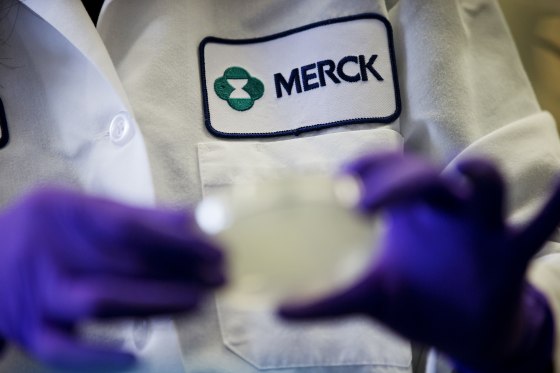
Merck has announced that the Food and Drug Administration (FDA) has approved its new cholesterol-lowering pill, Lipfendra, marking the first oral PCSK9 inhibitor to receive such approval. This development represents a significant step for Merck as it looks to expand its portfolio beyond its leading cancer treatment, Keytruda, which faces patent expiration in 2028.
Lipfendra is designed for patients with hypercholesterolemia, a condition characterized by elevated LDL cholesterol levels, also known as ‘bad’ cholesterol. High LDL can lead to plaque accumulation in the arteries, increasing the risk of heart disease.
This pill works by blocking the PCSK9 protein, an essential component in the regulation of cholesterol levels. In contrast, traditional oral statins function by inhibiting an enzyme used by the liver to produce cholesterol. The introduction of Lipfendra offers a new oral alternative to injectable PCSK9 inhibitors, which have dominated cholesterol treatment options.
The FDA’s approval was based on results from two late-stage clinical trials. These studies demonstrated that Lipfendra significantly lowered LDL cholesterol in various patient groups, including those with familial hypercholesterolemia and individuals currently using statins.
Merck’s shares rose by 1.1% in premarket trading following the announcement. The company disclosed that the list price for Lipfendra will be $10.50 per day, calculated on a monthly supply basis. This pill holds potential for substantial market sales, with estimates of tens of billions of dollars in peak sales, according to Scotiabank analyst Louise Chen.
Merck’s Lipfendra has been granted a voucher from the FDA commissioner’s National Priority Voucher program, which aims to expedite the review of drugs essential to public health or national security.
The current market for cholesterol-lowering drugs is largely dominated by injectable PCSK9 inhibitors, such as Amgen’s Repatha and Regeneron’s Praluent. Lipfendra’s arrival represents a promising shift in treatment options for the estimated one in four adults in the U.S. who have high LDL cholesterol, according to the American Heart Association.