
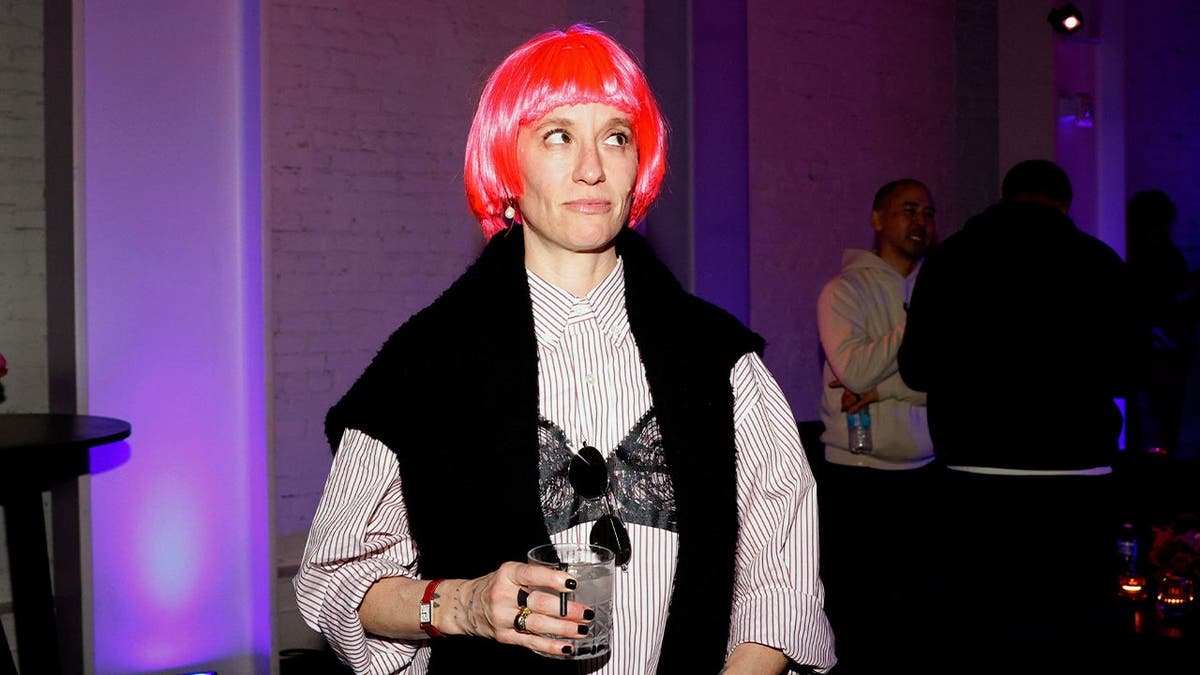
Megan Rapinoe, known for her achievements in women’s sports, has stirred debate with her recent views on trans athletes competing in women’s sports. Despite her retirement, Rapinoe continues to advocate for males to participate in girls’ and women’s events, challenging the notion of protecting women’s sports.
Supreme Court Decision and Advocacy
Rapinoe’s position was highlighted following a Supreme Court decision aimed at safeguarding women’s sports. She expressed opposition in an article for Marie Claire, critiquing legislation that restricts male participation in women’s events. The article’s headline reads, “Anti-Trans Legislation Isn’t About ‘Protecting Girls’—It’s About Distracting Us From What Matters.”
Rapinoe terms the legislation as “anti-trans,” countering its portrayal as pro-women. Her criticism extends to a brand that allegedly cut her from a World Cup commercial due to her stance, accusing it of lacking “moral clarity.” However, critics argue it reflects her own lack of clarity and may be an example of projection.
Arguments and Criticism
Rapinoe’s arguments are familiar among left-wing activists and include the notion that excluding males from women’s sports harms women. She alludes to women losing reproductive rights, although such claims lack evidence. Furthermore, her argument that bans could lead women to suffer ignores the intent to maintain fairness in sports.
Rapinoe mentions concerns about invasive genital exams for female athletes, fearing these procedures might deter participation. Nonetheless, routine physical exams are already a standard practice for athletes, investigating for conditions like hernias.
Critics also highlight Rapinoe’s argument regarding the threat to girls’ sports by insisting only females must prove their biological sex. They refute her suggestion that such laws aim to prevent girls from participating in sports.
Social Implications and Broader Issues
Rapinoe’s article touches on social issues, linking policy debates to wider themes like sexism, racism, and homophobia. She argues that attacks on trans girls distract from societal challenges such as economic issues, urging solutions for broader social inequities.
Concerning sports fairness, she calls for breaking down barriers and addressing problems like sexual violence and pay disparities. Yet these concerns are legally recognized, and critics argue that pay differences stem from revenue generation disparities between men’s and women’s sports.
Conclusion and Response
Rapinoe’s closing remarks appeal for solidarity with trans athletes, emphasizing rejection of division and protecting individual rights. Her advocacy is seen as detached from real-world implications, especially as someone retired and without direct ties to the affected sports.
While Rapinoe aims to be a progressive voice, her stance appears disconnected to critics. They claim her actions, lacking direct impact on her life, exemplify political posturing rather than bravery.
Dan Zaksheske from OutKick reflects on the paradoxical advocacy from Rapinoe, exploring how her support for inclusivity contrasts with the exclusive benefits she experienced from competing in women’s sports.