
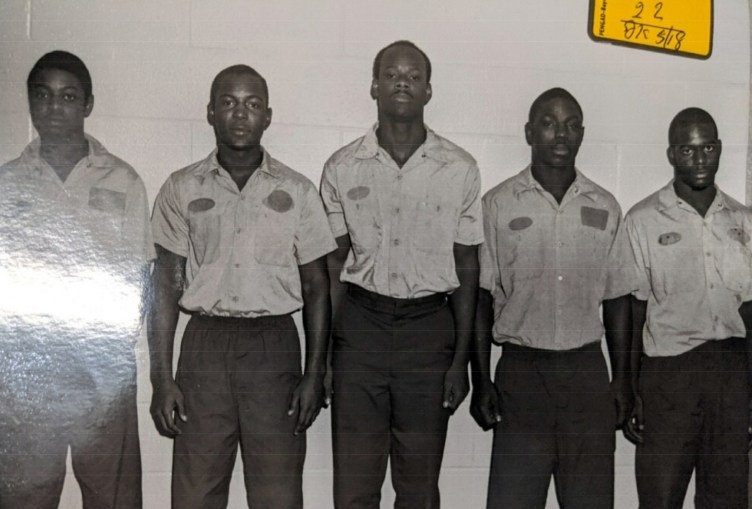
A significant event occurred on the night of May 8, 1981. Alice Sebold, a freshman at Syracuse University, suffered a brutal rape while making her way through a park. Later, Anthony Broadwater was arrested for this crime and served 16 years in prison, maintaining his innocence throughout. Despite being released in 1998, he had to register as a sex offender. Sebold documented her ordeal in the memoir “Lucky,” which gained renewed attention after her novel “The Lovely Bones.”
In a striking turn, 40 years later, a court overturned Broadwater’s conviction. The Syracuse district attorney admitted Broadwater should not have been tried. This exoneration raised questions about other overlooked cases in Syracuse and errors made by law enforcement at that time.
Police and Prosecutors’ Errors in Handling Cases
During Sebold’s assault in 1981, Syracuse faced a series of sexual attacks. Sebold’s incident was the third in Thornden Park within seven months, with another occurring nearby. Numerous assaults also took place in dormitories and homes across the city. Witness descriptions often featured similar details. Still, the police showed no urgency.
Syracuse University and Media Blackout
Reports indicate Syracuse University suppressed media coverage of these crimes. A former detective recalled that police reports marked “NO PRESS” indicated the university’s influence in hiding news about local crimes.
“We are not in a position to speak to the actions or decisions of prior administrations,” a Syracuse University spokesperson stated, emphasizing current efforts to prevent sexual violence.
Identification errors plagued Broadwater’s arrest. Sebold only identified him months later, yet failed to pick him out of a lineup. The assistant district attorney encouraged Sebold to write an affidavit, downplaying the lineup confusion. This led to Broadwater’s indictment. The case proceeded with Sebold’s mistaken identification weighing heavily.
Judicial Decisions and their Impacts
Hoping for a fair evaluation, Broadwater chose a bench trial. Unfortunately, the judge appeared sympathetic to Sebold, compromising impartiality. Additionally, prosecutor Gail Uebelhoer, no longer managing the case, still testified, further blurring the case narrative.
Continued Assaults and a New Suspect
Broadwater’s conviction did not halt the assault wave. Months after the trial, a teenager named Thomas Weakfall admitted to multiple rapes near Thornden Park. Though Weakfall’s confession was initially dismissed due to procedural issues, his actions matched some characteristics of Sebold’s attacker.
He continued offending, and eventually confessed to additional crimes, serving years in prison. Nonetheless, Weakfall never confessed to Sebold’s assault.
Film Project Uncovers Errors
Efforts to adapt “Lucky” into a film revived questions about Broadwater’s conviction. A film producer, disturbed by inconsistencies, hired an investigator who believed in Broadwater’s innocence and Weakfall’s culpability. This led to a successful motion to vacate Broadwater’s conviction in 2021.
Aftermath and Reflections
Years later, Sebold acknowledged Broadwater’s innocence. She expressed regret for initiating the legal proceedings. Broadwater, despite his exoneration and a substantial settlement, struggles with the stigma. His life remains altered.
Sebold and Broadwater consider meeting, though complications persist. Sebold has written Broadwater a letter, accepting responsibility and conveying her remorse. She finds this letter, painstakingly composed over years, crucial to her life.