
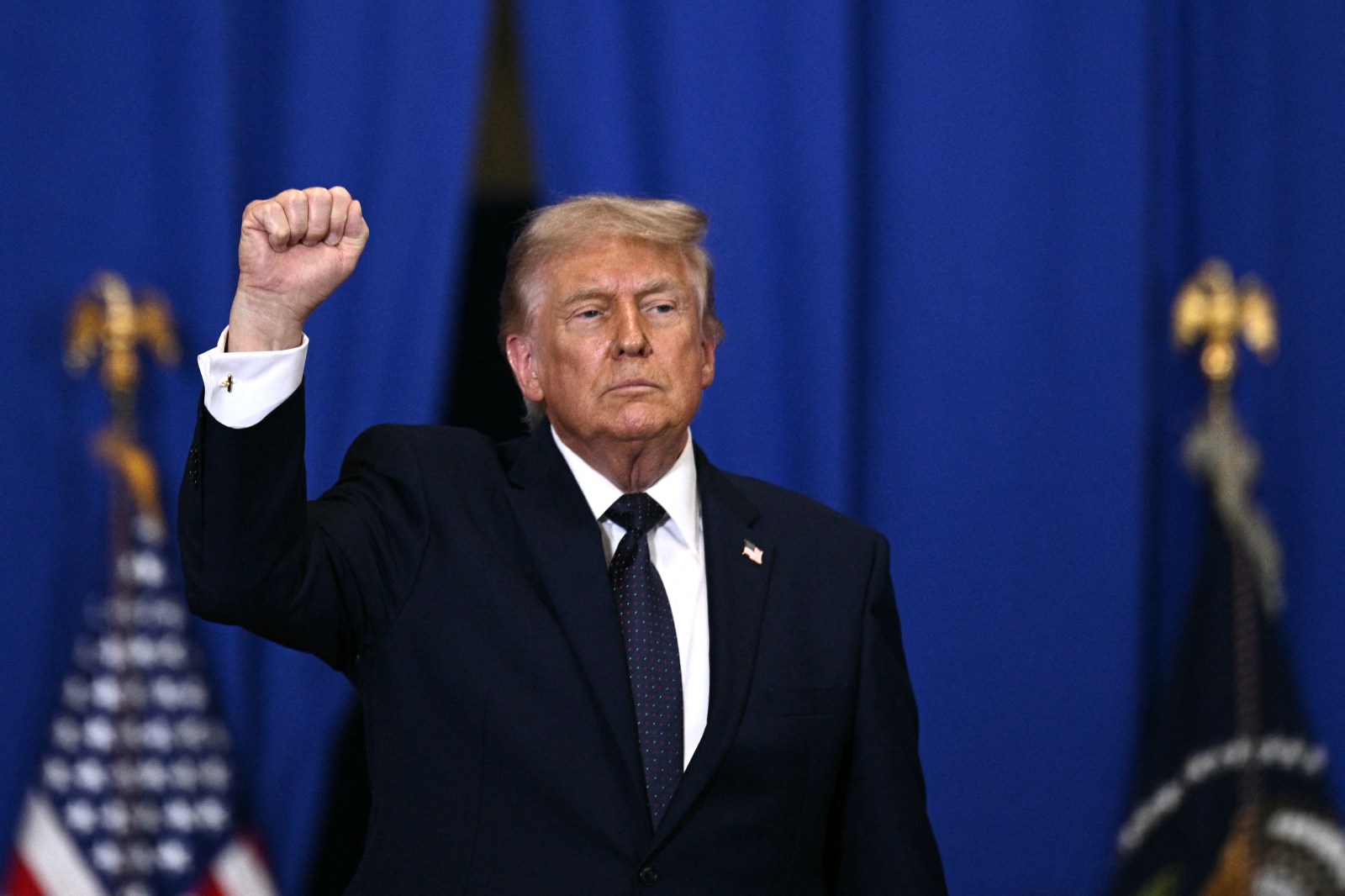
Donald Trump’s recent political maneuvers highlight significant steps to influence election systems in the United States. He has withdrawn support for his nominee as director of national intelligence and a major bipartisan housing bill to push Congress into passing his ‘Save America Act.’ This proposed legislation aims for major changes to election protocols, including proof of citizenship requirements and restrictions on mail-in voting.
There is little support in the Senate for this proposal, and Trump’s continued focus on this issue seems to be part of a strategy to engage his MAGA supporters. His rhetoric suggests an intent to diminish voter turnout among groups less likely to back Republican candidates. The proposal would enforce voter citizenship verification, which many Americans might not be able to meet, and limit absentee ballots unless specific justifications are provided.
Jonathan Winer, a former State Department official, has detailed potential strategies Trump might use to contest future elections without needing congressional consent. These could include presidential claims of election fraud, federal investigations, and directives to legislative leaders to dismiss certain vote counts. This scenario is not purely conjectural, given Trump’s actions during and after the events of January 6.
Recently, the FBI redirected resources to scrutinize the 2020 election results in Fulton County, Georgia, an area previously examined without finding irregularities. Trump has already called for the creation of state-by-state citizenship lists and directed policies affecting absentee ballot deliveries. Despite legal challenges against these initiatives, they signal an extensive effort to affect the 2026 elections.
Winer outlines a hypothetical ‘election steal’ scenario involving federal investigations and legislative actions to ignore certain electoral results. This would result in substantial legal battles and likely public protests.
Protests, as past demonstrations indicate, could be declared a ‘national emergency,’ a move tied to Presidential Emergency Action Documents (PEADs). These are classified documents intended for dire events such as nuclear crises. Trump has hinted at using these powers, which might involve detaining protesters without due process. Homeland Security’s expanded detention capabilities might support such enforcement efforts.
Legal challenges to the use of PEADs would likely ensue, but swift actions by Trump’s administration could occur before judicial intervention. Trump’s advancement of the ‘Save America Act,’ alongside incendiary rhetoric against Democrats, heightens concerns about the integrity of future elections.
Tom Rogers, an influential media executive and political commentator, emphasizes that Trump’s obsession with alleged election fraud remains unsubstantiated. The views here reflect Rogers’ assessment of Trump’s determination to reshape electoral outcomes and consolidate power.