
Background of the Case
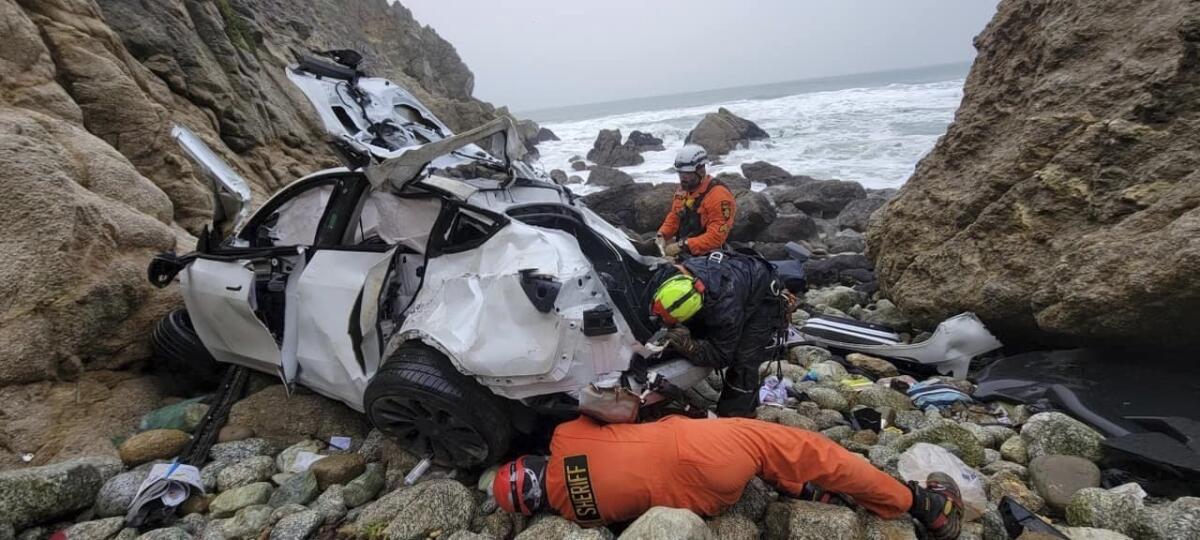
Dharmesh Patel, formerly a well-regarded radiologist in Pasadena, faced serious criminal charges in 2023. Prosecutors alleged he tried to kill his family by driving his Tesla off a cliff in Northern California. The incident took place on a section of Pacific Coast Highway known as Devil’s Slide.
Remarkably, Patel, his wife Neha, and their two children survived the crash. Neha informed paramedics that her husband had intentionally attempted to end their lives.
Mental Health Diversion Program
Following the collision, multiple psychologists assessed Patel and diagnosed him with major depressive disorder. Subsequently, his defense attorney persuaded the San Mateo County Superior Court to enroll Patel in a mental health diversion program instead of prosecuting the criminal charges. He complied with the program’s terms, including regular psychiatric and family therapy sessions, and providing treatment updates to the court.
Dismissal of Charges
On Monday, the court dismissed the attempted murder charges against Patel. By fulfilling all program requirements, Patel avoided further criminal consequences, including probation. San Mateo County District Attorney Stephen Wagstaffe’s office opposed the decision, arguing that the crime’s severity warranted prosecution for public safety.
Legal and Medical Implications
The crash led the California Medical Board to prevent Patel from practicing medicine. He relinquished his medical license following charges of unprofessional conduct. Whether Patel can regain his license after dismissal of charges remains unanswered by the board.
California’s mental health diversion program, established in 2018, prioritizes treatment for eligible defendants linked to mental illness. However, the program faces criticism, especially when participants reportedly commit more serious offenses afterward.
Legislative Developments
Governor Gavin Newsom recently approved Assembly Bill 46, intensifying diversion rules by empowering judges to deny petitions that may compromise public safety. Initially, the bill contemplated excluding attempted murder from eligibility, but this provision was removed.
District Attorney Wagstaffe expressed bewilderment that if the incident had resulted in fatalities, Patel could face a potential 25-year to life sentence for first-degree murder. Instead, Patel secured freedom post-therapy, a scenario Wagstaffe described as a significant break.