
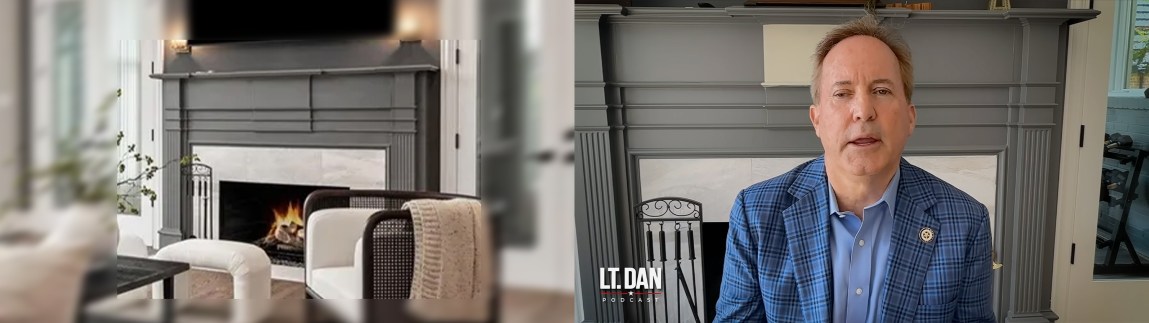
In the period leading up to this year’s primary elections, Texas Attorney General Ken Paxton introduced a public tip line aimed at uncovering voter fraud. This initiative was announced with an emphasis on safeguarding the integrity of elections in the state. Paxton declared that his office was committed to stopping any illegal voting activity, drawing on guidelines from his office that highlighted essential voting laws.
However, investigations by ProPublica and The Texas Tribune revealed that Paxton himself may have used a questionable address for voter registration. He reportedly participated in six elections using an address that does not align with his current living situation. This information conflicts with the vigilant stance his office has taken against alleged breaches of voter residency laws.
Paxton’s voter registration lists his former marital residence in Collin County as his registered voting address, despite his documented absence from the property following a split from his wife. Public records implied a potential residency in Denton County, raising questions about his voting eligibility.
Legal Interpretations and Challenges
Election law experts argue that Paxton’s actions may contravene Texas’s strict voter residency requirements. Such laws are typically hard to enforce due to the complex nature of establishing one’s residence, which involves factors like where an individual sleeps or stores personal possessions. Nonetheless, the legal necessity for proof of intentionality remains a hurdle for prosecutors, who seldom pursue complex residency violations.
State courts permit voters to remain registered at an address temporarily if they intend to return. This provision commonly applies to students or military members. Nonetheless, the validity of Paxton’s intent to return to his Collin County address in light of his separation is debatable and could present legal challenges.
Public and Political Reactions
Ken Paxton has previously championed strict enforcement against voter fraud. Yet these recent revelations of his possible legal missteps complicate his advocacy. His campaign spokesperson, Madison Cercy, rebuffed the allegations as unfounded and attacked reporting efforts as dubious.
Democratic State Rep. James Talarico, Paxton’s opponent, has faced his own voter registration scrutiny despite living and registering in Austin. Talarico’s campaign did not engage with these allegations, and Paxton’s camp refrained from challenging them publicly.
David Becker, from the Center for Election Innovation and Research, highlighted the inconsistency of Paxton’s practices with the legal responsibilities of his role. Becker suggests that given Paxton’s position, he should demonstrate a thorough understanding of state election laws.
Potential Implications
Paxton’s personal circumstances, including an ongoing divorce and an apparent new residence, fuel scrutiny on whether he met the legal requirements of voter registration. While prosecutorial action remains uncertain, such issues highlight the intricacies of voter residency compliance.
Ultimately, Paxton’s case underscores broader discussions about election law enforcement and the need for officials to exhibit strict adherence to these laws, mindful of public perceptions and professional obligations.
Conclusion
Paxton’s voter registration practices prompt significant debate about the integrity of election laws and the ramifications for public trust. As an authoritative figure in election enforcement, his ability to navigate these issues without bias is crucial. The outcome of ongoing investigations and public discourse will likely shape future electoral policy and governance.