
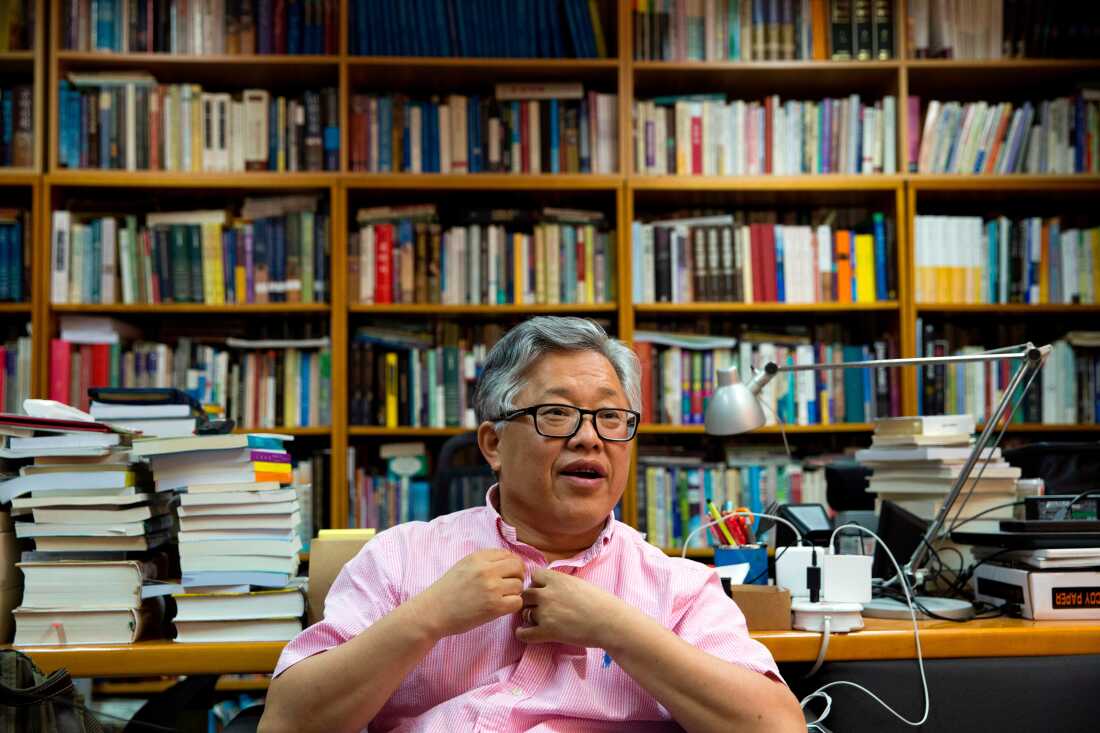
Ezra Jin Mingri, a pastor of a well-known underground church in China, has been released from detention. Less than two months after former U.S. President Donald Trump discussed his situation with China’s leader, Xi Jinping, Jin has reunited with his family in Los Angeles, according to rights advocates and his family.
Jin, along with 17 other leaders from the underground Zion Church, was detained in October during one of China’s largest crackdowns on a single church in decades. This raised concerns about the government’s ongoing restrictions on religious freedom in the country.
A statement from Jin’s family expressed gratitude for Trump’s efforts. They acknowledged that Jin’s release occurred swiftly, suggesting that Xi’s intervention played a crucial role. The statement expressed hope for positive developments regarding faith in China and bilateral relations.
The White House has not immediately commented on the matter. Trump’s involvement gained attention when he mentioned discussing the detention of both Jin and Hong Kong activist Jimmy Lai during his visit to Beijing in May. Trump’s remarks indicated that Xi considered Jin’s case strongly, while Lai’s case seemed more challenging, given his 20-year sentence handed down in February.
Activists welcomed Jin’s release but emphasized the continued detention of other Zion Church leaders. Maya Wang from Human Rights Watch pointed out that at least eight members remain detained, urging their release.
The Zion Church, one of China’s largest unregistered or underground churches, operates outside official registration requirements. Such groups defy mandates that believers worship exclusively in registered congregations. The Communist Party, officially atheist, views organized religion as a potential challenge to its control and has pursued policies to ‘Sinicize’ religious organizations by demanding allegiance to the party.
Grace Jin Drexel, Jin’s daughter, testified before a congressional committee in November regarding her father’s motivations for founding Zion Church. Aiming for spiritual autonomy, Jin established a place of worship emphasizing divine leadership rather than party control. Though he moved his family to the U.S. in 2018 due to pressure on Zion Church, Jin returned to China, accepting the risks involved. His daughter reported recently not seeing him for six years.