
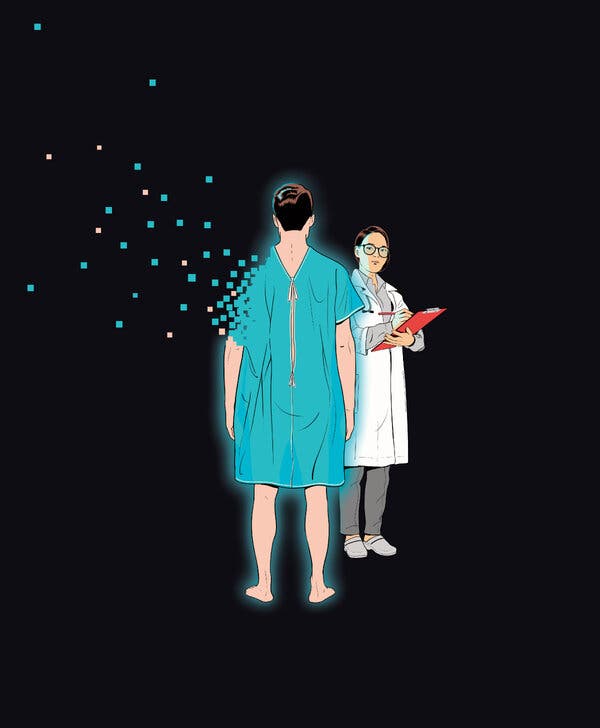
For many generations, summarizing a patient exam was a crucial step for physicians to make accurate diagnoses. The introduction of artificial intelligence (AI) in this process raises significant questions. What changes when AI handles this critical task?
Helen Ouyang, a physician and associate professor of emergency medicine, explores the transformation AI brings to clinical note-taking. As AI tools for generating clinical notes advance, how will they alter the practice of medicine?
Learning to Write Clinical Notes
Medical students begin their journey with the task of writing clinical notes. Even before completing courses in anatomy and physiology, they are placed at patients’ bedsides with a supervising physician. Their task is to document what the patient says and what the physician observes. As their skills develop, they learn to suggest possible diagnoses and treatments. This process was traditionally seen as an initiation into the medical profession.
As students take on more responsibilities, they find this task more burdensome. With a growing caseload, the time to produce comprehensive notes diminishes. Many physicians feel that writing notes becomes detached from patient care. They yearn to reclaim this time to focus more on direct patient interaction.
Integrating AI in Note Writing
Recent advancements in AI promise to transform how clinical notes are written. Some hospitals are introducing AI assistants that listen during patient consultations via mobile devices. These AI tools generate detailed and polished notes efficiently.
The appeal of AI medical scribes lies in their potential to reduce burnout and increase efficiency for healthcare providers. Since 2019, start-ups in this field have raised nearly $5 billion. A study revealed that all 43 nonprofit health systems surveyed in the US are either developing, piloting, or deploying AI scribes. While not all physicians adopt this technology, in some departments, adoption rates reach as high as 80%.
Adam Rodman from Harvard Medical School describes AI scribes as perhaps the fastest adopted medical technology. AI’s promise includes rapid diagnosis of rare diseases, risk prediction, and discovering new medications. However, its ability to listen to conversations and produce clinical notes is among its most immediate impacts in healthcare.
The Scribe’s New Role
AI medical scribes do more than simply transcribe conversations. They analyze, synthesize, and present the information in a format consistent with clinical notes. This technology streamlines the note-taking process and allows physicians more time for patient care.
As AI continues to penetrate the medical field, its influence on traditional practices grows. The interaction between physician and patient may fundamentally change as AI takes on the task of documentation, redefining the role and responsibilities of healthcare professionals.