
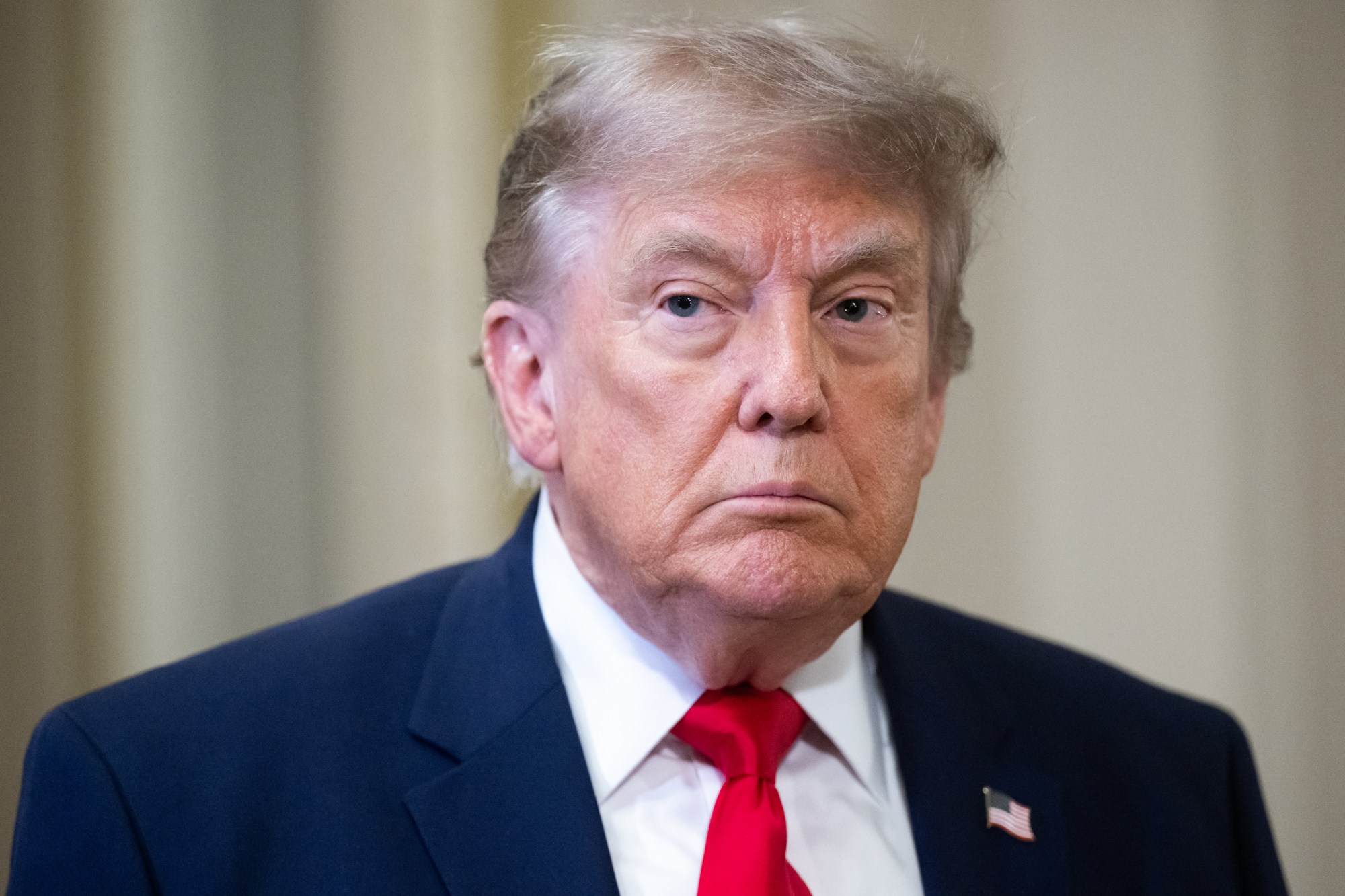
President Trump recently announced he will not sign a significant housing bill passed by Congress until lawmakers agree to new election legislation. Speaking before a meeting with Senate Republicans, he emphasized his demand for the SAVE America Act.
This decision caused confusion among Republicans, disrupting the planned signing of the 21st Century ROAD to Housing Act. The bill had received widespread support in both congressional houses, which Trump had previously endorsed.
The President’s stance aims to press Congress into passing his proposed election reforms. However, these reforms face criticism as they could restrict voter registration.
With Congress’s summer recess on the horizon, rumors arose that Trump might use a pocket veto to block the housing bill. However, constitutional guidelines offer clarity on this matter.
Understanding Pocket Vetoes
According to the Constitution, once Congress sends an enrolled bill to the White House, the President has ten days, not including Sundays, to sign or veto it. Without action, it becomes law unless Congress is adjourned, preventing the bill’s return.
Confusion exists about whether a pocket veto can occur during a short recess if Congress is not present to receive a vetoed bill. Yet, constitutional language and historical precedent clarify this situation.
Constitutional Conditions
Article I, Section 7 delineates the conditions necessary for a pocket veto, requiring Congress to be adjourned and the bill’s return to be impossible. These distinct conditions recognize the possibility of returning a bill during certain adjournments.
The preferred veto method involves a return veto, allowing Congress a chance to override because the Framers rejected a non-override presidential veto.
The pocket veto prevents Congress from quickly adjourning after passing a bill to suppress presidential action. Without it, a bill would become law automatically after ten days.
Practical Mechanisms
In recesses, Congress appoints agents to receive veto messages. This system has long been used during breaks and longer recesses. The Supreme Court affirmed this process in 1938, supporting the use of agencies for bill returns.
The Senate plans to hold pro forma sessions during the break. Consequently, Trump’s constitutional option is a return veto. Moreover, given the bill’s broad support, an override seems possible unless Trump influences his party members.
Trump’s familiarity with constitutional intricacies is debatable, but founding principles of checks and balances remain crucial.
Robert J. Spitzer, a political science professor and author, explains these constitutional nuances. His works include ‘The Presidential Veto’ and ‘The Presidency and the Constitution.’