
In 1913, Antonino Alati emigrated from southern Italy to the United States, seeking better opportunities. Upon arrival, Italians like him faced immense prejudice and were often depicted negatively by the media. They were labeled as poor, unclean, and violent, and many believed they could never be assimilated or considered ‘white.’ The political climate at the time aimed to restrict further immigration from southern Italy. A congressional report from 1911 described southern Italians as less intelligent than previous immigrants and accused them of exploiting the U.S. economically before returning to Italy.
Despite the discrimination, Alati persevered and brought his family to the U.S., including his young son Salvatore. The family eventually adopted more American-sounding names, with Salvatore becoming Samuel. Generations later, Samuel Alito Jr. became the second Italian American to serve on the Supreme Court, following Antonin Scalia.
In his 2005 confirmation hearings, Alito lauded his father as an ‘extraordinary man’ who overcame significant hardships. By this time, Italian Americans were entrenched in American society, contributing to various sectors such as politics, music, and cuisine. However, during a Supreme Court decision regarding birthright citizenship, Alito’s dissent reflected a surprising stance.
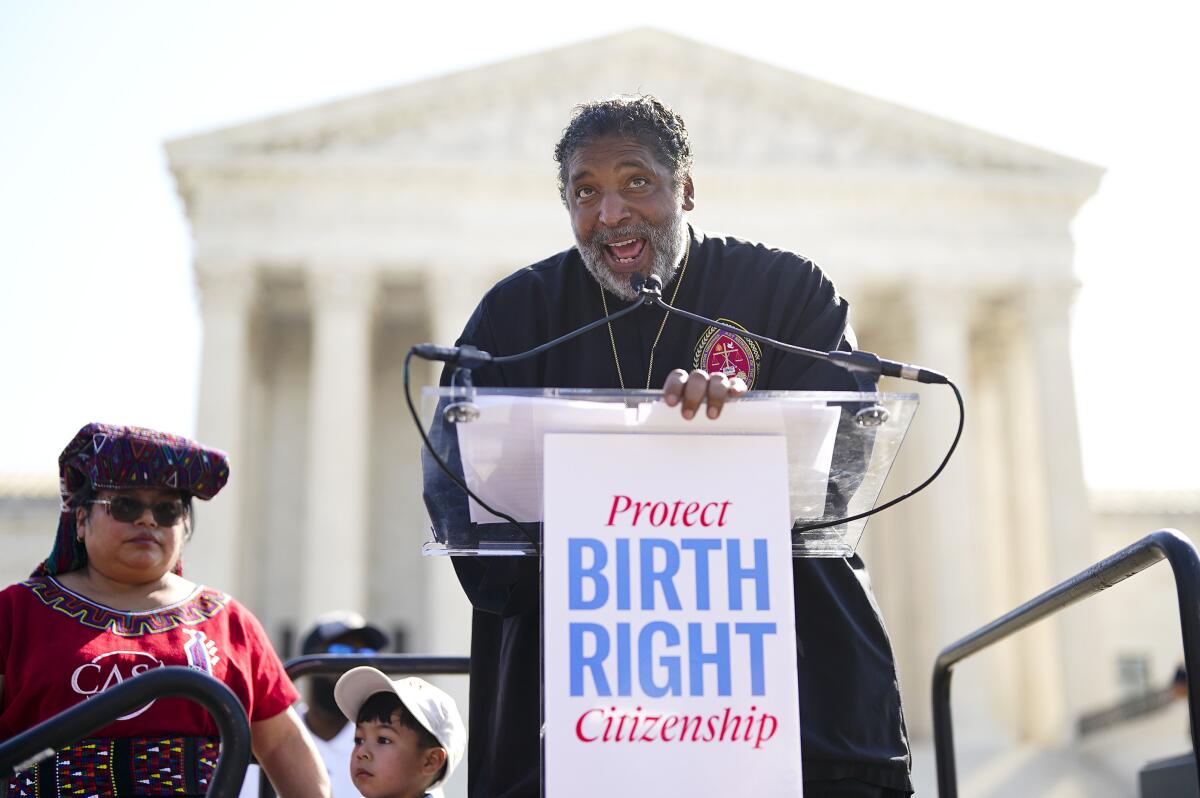
Alito opposed the court’s 6-3 ruling against President Trump’s attempt to end birthright citizenship. This resistance from an immigrant descendant highlighted how descendants can often forget their group’s own historical struggles. Alito’s 39-page dissent described undocumented immigrants in language reminiscent of past anti-Italian rhetoric. He questioned the national loyalty of children born to Mexican, Guatemalan, and Salvadoran immigrants, mirroring accusations once faced by Italian Americans.
His claims included unfounded allegations of fraud among agricultural workers applying for citizenship, echoing past charges against Italians. Alito’s assertions were largely unsupported by his fellow Catholic justices, John Roberts, Amy Coney Barrett, and Brett Kavanaugh, who rejected his interpretations. Both Roberts and Coney Barrett endorsed the majority opinion, while Kavanaugh concurred.
“Families often quickly forget their own immigrant histories,” reflects the author, who, like Alito, descends from immigrants facing adversity.
The author explains his familial ties to immigration through his grandmother, who gained birthright citizenship in Arizona, and his father, who legalized his residency at a time when it was less complex. Despite their own ancestral struggles, some in his family now support restrictive immigration policies.
Alito’s dissent suggests he acknowledges the moral claim of undocumented children to stay in the U.S. He suggests Congress should address this matter. However, Alito criticizes birth tourism, where foreign nationals give birth in the U.S. and return to their countries, viewing it as exploitative.
Despite Alito’s agreement on some points, he overlooks that Trump’s executive order against birthright citizenship represented presidential overreach and prejudice. Alito’s rejection of the decision to uphold the 14th Amendment disappointed many. The court reaffirmed constitutional principles, and Alito’s stance may be seen as a betrayal of his family’s immigrant legacy.