
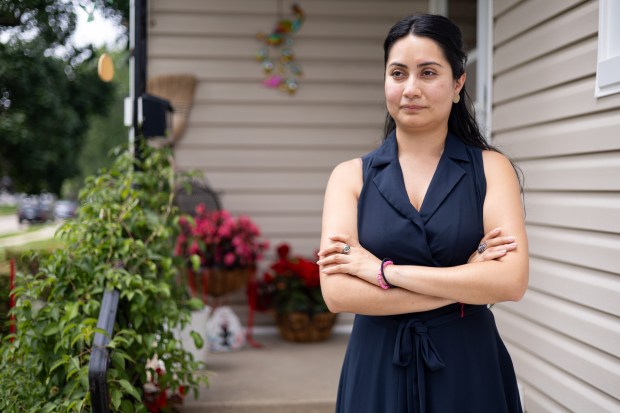
An expectant mother in Chicago expressed deep relief when the Supreme Court upheld birthright citizenship, rejecting former President Donald Trump’s executive order to strip citizenship from children of undocumented immigrants. The mother, a 42-year-old undocumented immigrant herself, felt the weight of anxiety lift. She had feared her daughter would be born without the rights of an American citizen.
The Supreme Court’s 6-3 decision confirmed that the 14th Amendment guarantees citizenship to anyone born in the U.S., excluding children of foreign occupiers or diplomats. This overturned Trump’s order, which would have affected births starting February 19, 2025. Experts estimated that over 250,000 babies born annually could have been impacted.
Illinois Governor JB Pritzker and other officials celebrated the ruling, viewing it as a victory for Constitutional rights. Pritzker remarked that Trump’s actions disregarded the importance of birthright citizenship and attempted to shrink America’s inclusivity.
Challenging birthright citizenship was central to Trump’s campaign, part of broader restrictions on immigration. This included reduced refugee resettlements and mass deportation campaigns, instilling fear among immigrants.
The ruling resonated personally with politicians like State Rep. Barbara Hernandez, who shared her personal connection to the issue. Born to undocumented immigrant parents from Mexico, she saw the ruling as a rejection of hate-fueled policies.
U.S. Rep. Delia Ramirez echoed these sentiments, emphasizing her own birthright citizenship. Illinois Attorney General Kwame Raoul, himself born to an immigrant mother, had joined other states in suing against Trump’s order.
Not everyone agreed with the Supreme Court’s decision. Illinois Republican U.S. Rep. Mary Miller criticized the ruling on social media. Trump expressed disappointment, wrongly suggesting Congress could legislate changes.
Reactions on social media varied. Some argued for strengthened borders, while others praised the ruling as common sense. Immigration advocates like Fred Tsao of the Illinois Coalition for Immigrant and Refugee Rights highlighted the decision’s affirmation of a long-standing principle.
“Wong Kim Ark, like me, is the son of two Chinese immigrants,” said Tsao, referencing the 1898 case United States v. Wong Kim Ark, which set a precedent for birthright citizenship.
The American Civil Liberties Union of Illinois stressed the importance of continued vigilance, emphasizing that legal challenges to birthright citizenship could persist despite the current victory.
University of Illinois law professor Jason Mazzone praised the Supreme Court’s ruling, noting its timing before the U.S. semiquincentennial. He stated that the decision underscores the nation’s enduring commitment to equality and the fundamental right of birthright citizenship.