
The Trump administration has openly criticized birthright citizenship. This practice, allowing automatic citizenship to nearly everyone born on U.S. soil, faces scrutiny by the Supreme Court. President Donald Trump labeled it a ‘disgrace,’ while Stephen Miller, a key White House adviser, described it as the most absurd of constitutional errors. In 2025, Vice President JD Vance called it the ‘dumbest immigration policy in the world.’
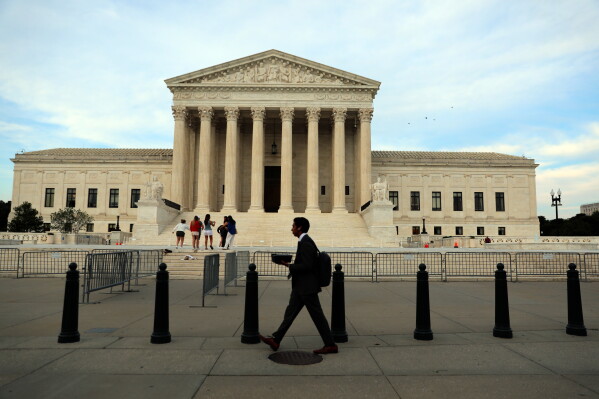
Trump has often stated, incorrectly, that the United States is the only nation with birthright citizenship. With the Supreme Court set to review the issue, a decision could potentially disrupt more than a century of legal precedent. ‘It’s all up to a couple of people,’ Trump mentioned, expressing hope for a favorable ruling.
History of Birthright Citizenship
Birthright citizenship was established with the ratification of the 14th Amendment in 1868, following the Civil War. Its purpose included ensuring citizenship for former slaves. The concept expanded with the late-1800s Supreme Court ruling in the case of Wong Kim Ark, recognizing citizenship for children of immigrants born in the U.S. Subsequent rulings reinforced this, covering children born to immigrants in the country both illegally and temporarily. Notable exceptions are limited, mainly concerning children born to foreign diplomats in the U.S.
Until recent years, this principle was largely uncontested, with bipartisan support. Former President Ronald Reagan praised immigrants for their contributions, reflecting a warmer Republican stance on immigration not long ago.
Trump’s Stance and Controversy
Trump argues that birthright citizenship acts as a ‘magnet for illegal immigration.’ His administration often highlights networks arranging for non-citizens to enter the U.S. primarily to give birth. Legal arguments typically focus on the phrase ‘subject to the jurisdiction thereof’ from the 14th Amendment. Despite dissent from most legal scholars, the administration contends this phrase permits denying citizenship to babies born to women illegally residing in the U.S.
During oral arguments in April, some conservative justices showed skepticism towards this stance, underscoring the controversy.
Global Perspective
Contrary to Trump’s claims, the U.S. is not unique in offering birthright citizenship. While many countries base citizenship on parentage rather than birthplace, numerous countries, especially across the Americas like Canada and Mexico, also provide unrestricted birthright citizenship. Several others, including Germany and Australia, employ various criteria such as parentage, birthplace, residency, and ethnicity to determine citizenship.