
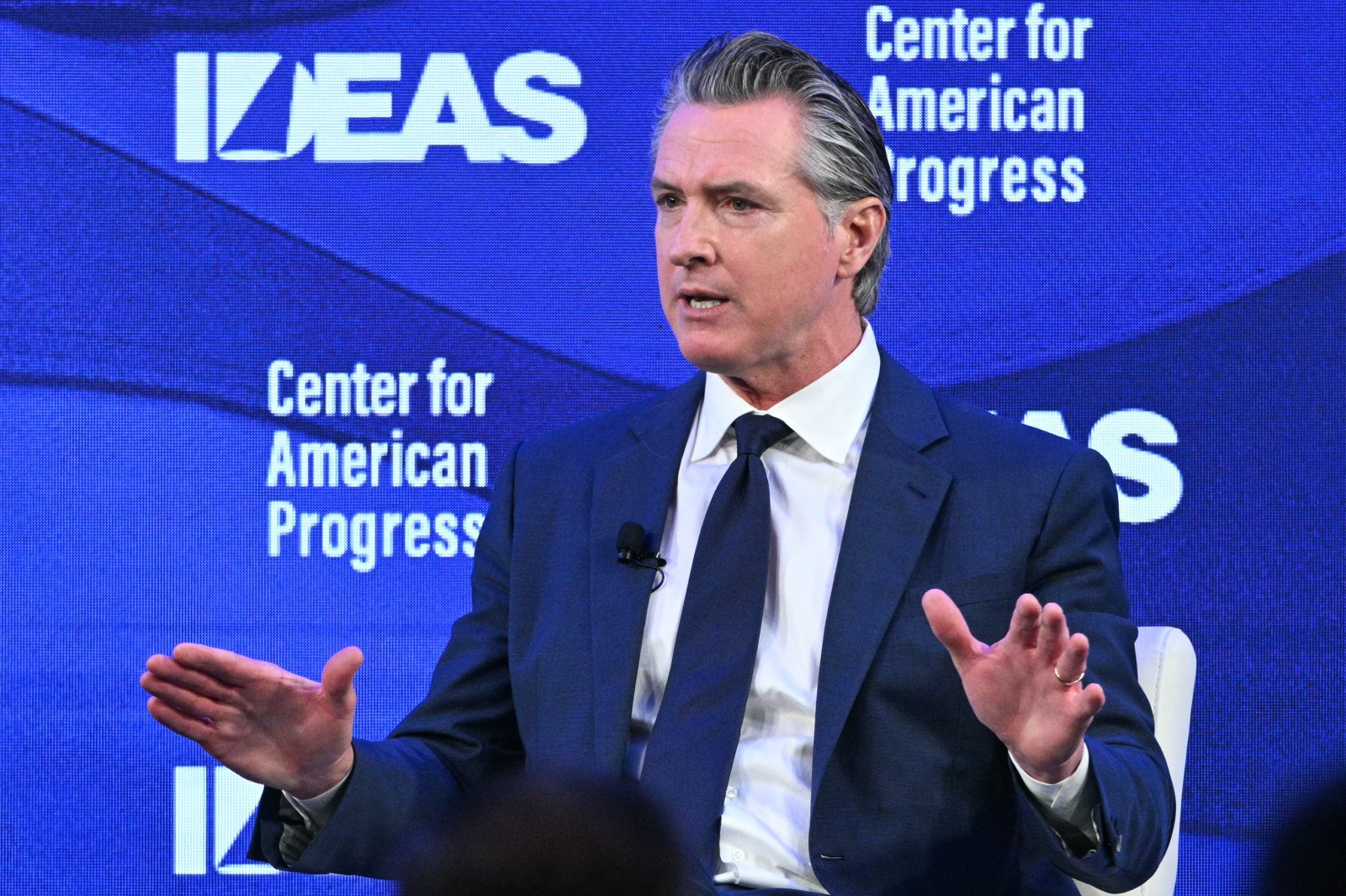
California Governor Gavin Newsom has finalized a $351.7 billion budget agreement with Democratic legislators. This deal comes as a surge in tax revenue, linked to the stock market performance of artificial intelligence companies, boosts the state’s finances. Despite this, voters are set to decide on a proposed tax targeting ultra-wealthy residents.
According to Newsom, state revenues are $16.5 billion higher than January projections, as reported by the Los Angeles Times. The additional funds primarily stem from income tax on stock market profits, particularly from the artificial intelligence sector. This financial boost has allowed California to sidestep the previously anticipated $2.9 billion budget shortfall, avoiding substantial budget cuts.
Looking ahead, California’s financial outlook appears more optimistic, driven by taxes on tech-related wealth. However, a significant decision looms in November. Voters will consider a one-time tax on the state’s billionaires. Critics, including Newsom, warn that this could result in the wealthy leaving, reducing the tax income they provide. Notably, nearly half of California’s personal income tax revenue comes from the top 1% of earners in the state.
What’s Included in the Budget Deal?
The budget plan, outlined by Newsom and legislators, includes measures to stabilize state finances while continuing key program investments. The agreement features:
- A balanced budget with no deficit for the next two years, plus a $6.4 billion reserve for future needs.
- Significant funding for TK-12 schools, community colleges, and higher education.
- $900 million allocated to the Homeless Housing, Assistance, and Prevention program.
- $100 million reserved for the Disaster Rebuilding Fund.
- A proposal for voters to increase the cap on California’s rainy day fund from 10% to 20%.
- An approved bond measure for November to generate $11.25 billion for affordable housing.
- Measures to improve and expedite election processes, including $29 million for staffing and equipment upgrades.
Newsom emphasized that a balanced budget serves Californians by maintaining fiscal strength while investing in critical areas. Senate President pro Tempore Monique Limón noted the agreement reflects a commitment to sustaining essential programs and securing the state’s financial future.
The Billionaire Tax Proposal
A ballot initiative to tax billionaires in California will be voted on in November. If passed, it would impose a one-time 5% tax on their assets as of January 1, 2026. The aim is to raise $100 billion, primarily to support the state’s Medicaid system following federal cutbacks.
The Service Employees International Union-United Healthcare Workers West (SEIU-UHW) supports the initiative, arguing it will mitigate future financial challenges due to healthcare funding reductions. However, Newsom and other union allies oppose it, citing concerns it might prompt billionaires to relocate, undermining California’s tax revenue.
This proposal faces strong opposition from many of California’s wealthiest individuals. Peter Thiel, PayPal and Palantir co-founder, contributed $3 million to defeat the measure. Meanwhile, former Google CEO Eric Schmidt donated $1 million to the same cause, as reported by the Los Angeles Times.
Newsom’s Stance on the Measure and National Tax Call
Gavin Newsom, a potential presidential candidate, has openly criticized the measure. He believes it could lead to an exodus of billionaires, diminishing the state’s tax base long-term. In a Substack post, Newsom called for a national approach to taxing billionaires, arguing wealth should be taxed at the federal level to prevent interstate tax competition.
Newsom advocated for a true minimum tax on billionaires and closing loopholes that allow the wealthy to live tax-free by borrowing against stock portfolios.
Chances of the Billionaire Tax Passing
Prediction markets are closely monitoring the proposal’s prospects. Polymarket placed the odds of the measure passing at 36% recently, down slightly from earlier but up from a week ago. Kalshi, another prediction platform, mirrored this estimate, indicating shifting expectations among observers.
This article includes contributions from The Associated Press.