
The promise of a significant economic upturn was delivered by President Trump recently, fueled in part by a deal intended to end the conflict with Iran. He assured the public that gasoline prices would soon drop to $2.50 a gallon and predicted an unprecedented economic boom.
However, economists express skepticism. The impact of the conflict and other inflation-driving factors are anticipated to persist for months, posing a challenge to American households. This situation could complicate the Republican Party’s efforts to maintain control of Congress during the upcoming midterm elections.
Despite the recent agreement to cease hostilities with Iran and open the Strait of Hormuz, energy supply issues and high gasoline prices won’t be resolved quickly. Patrick Harker, an expert from the University of Pennsylvania Wharton School, notes that rebuilding infrastructure in the Middle East will take time, keeping inflation high for a while.
While oil prices fell to pre-conflict levels last week, and gas prices decreased slightly, Michael Negron of the Center for American Progress predicts a gradual decline rather than a rapid return to lower prices.
Affordability issues have become pivotal in the upcoming midterm elections, affecting Republicans defending their congressional majorities as Democrats capitalize on economic concerns. Positive rhetoric from officials like Trump doesn’t resonate with struggling Americans, according to Gina Plata-Nino from the Food Research and Action Center.
Americans question the costs
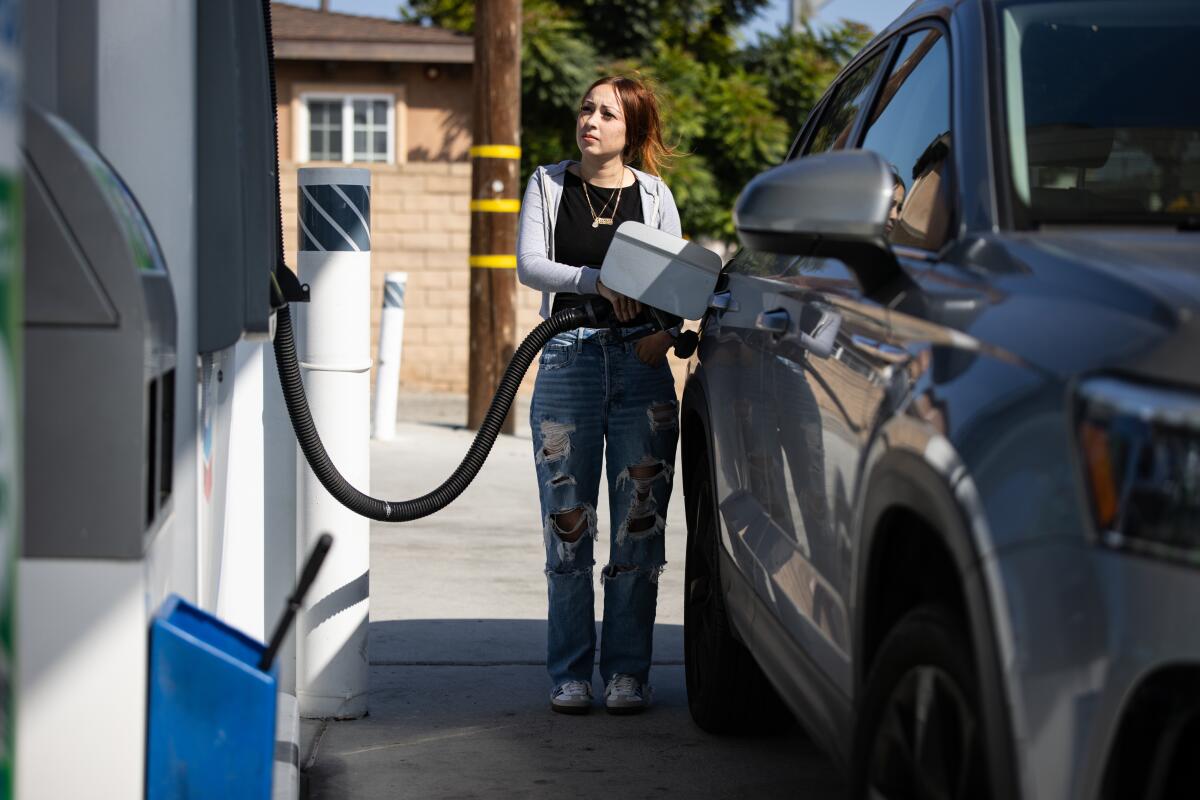
The conflict with Iran has economically burdened American households, costing between $775 and $1,300 in fuel and taxpayer expenses, as per Roger Pielke from the American Enterprise Institute. Gas prices remain high, with national averages at $3.90 per gallon and California’s average at $5.48 per gallon.
Rising oil prices have affected multiple sectors, including agriculture, where consumer prices increased by 4.1% over the past year. Despite Trump’s optimistic economic messaging, his dismissal of affordability concerns has not been well received, impacting his approval ratings.
A recent poll revealed significant public strain from gas prices, with many Americans citing cost as a reason for not vacationing. Additionally, only 23% found the conflict’s expenses justified.
Brian Reisinger, a rural policy analyst, suggests that the president needs a substantial economic change message to succeed in the midterms.
U.S.-Iran talks on shaky ground
Although the Iran deal is viewed positively by Trump’s supporters, the termination of Iran’s nuclear program remains unmet. The deal permitted Iran to trade oil again, contrary to long-standing U.S. policy. Dubiety in negotiations contributes to cautious decisions by energy companies and insurers.
Negron mentions that risks are inevitably priced into oil and insurance due to the volatility surrounding the agreement’s future. With the situation still fluid, negotiations are expected to continue over the next two months.