
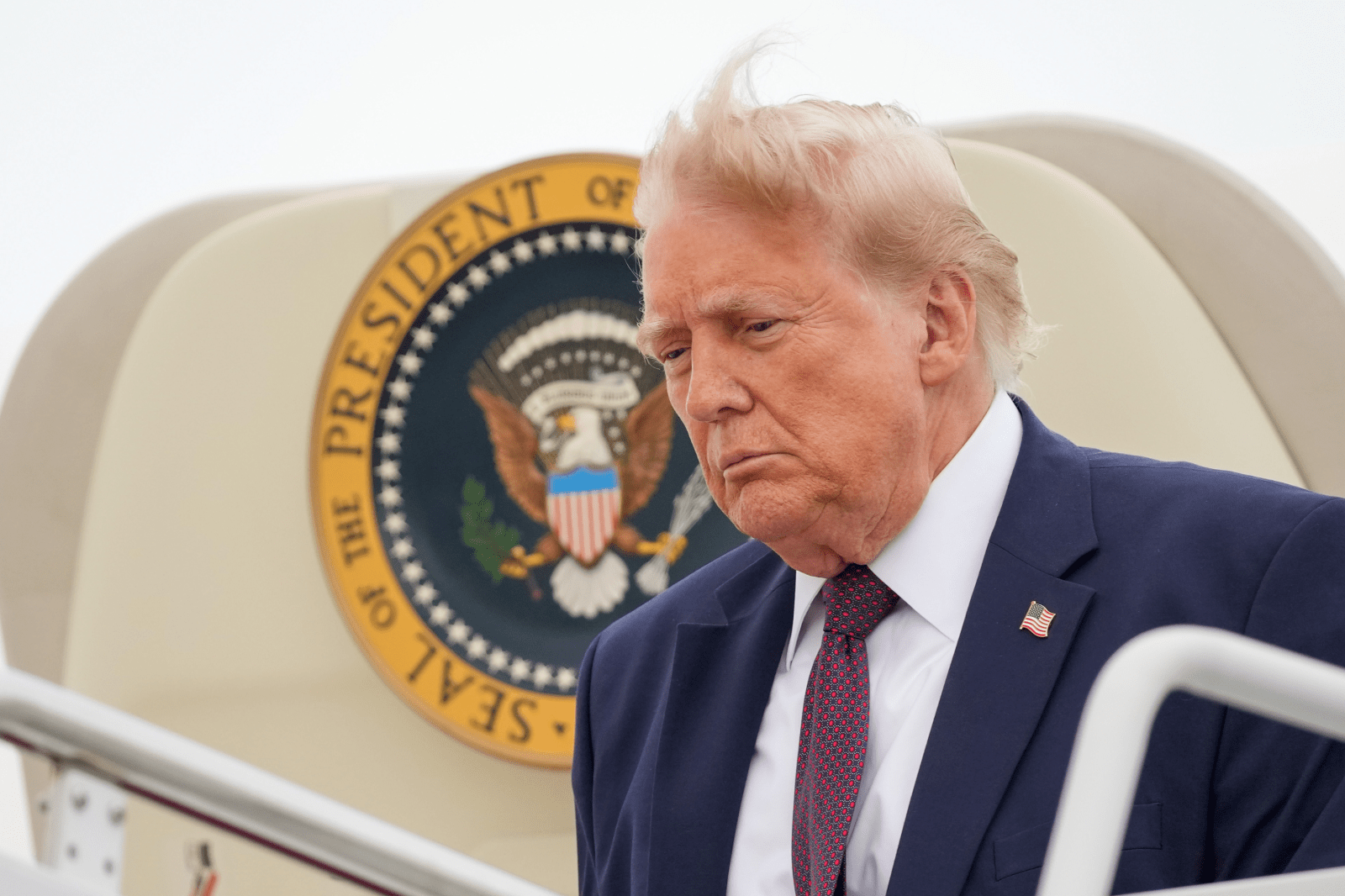
A recent global survey indicates widespread skepticism about President Donald Trump’s leadership. However, certain nations, such as Israel, Nigeria, and the Philippines, maintain higher confidence levels. Despite a complex global landscape, some regions show improved attitudes compared to the end of his first presidency.
The Pew Research Center polled 42,151 individuals from February 8 to May 13 across 36 countries. Findings reveal only 23 percent confidence in Trump’s global leadership, highlighting diminishing trust in the U.S. at a time of geopolitical crises. Many U.S. allies and directly affected regions question Washington’s reliability.
White House spokeswoman Olivia Wales asserted Trump’s success in restoring American strength after what she termed “four years of Joe Biden’s weakness.” She cited ending nine global conflicts, returning detained Americans, and actions against Nicolás Maduro as achievements. Wales emphasized Trump’s “Peace Through Strength” doctrine as effective in maintaining safety.
Where Support Is Strongest
Support for Trump is most noticeable in the Philippines (68 percent), Israel (66 percent), and Nigeria (65 percent), along with Kenya and Ghana. Various factors influence these results:
- In Israel, nearly two-thirds express confidence in Trump.
- Nigeria and Kenya show greater support, often divided along religious lines.
- The Philippines’ history of valuing strong U.S. leadership boosts confidence levels.
Where Confidence Is Lowest
Conversely, support is minimal in parts of the Middle East and Europe, including Turkey and the Palestinian territories, often in single digits. This trend is linked to countries affected by U.S. foreign policy decisions, particularly in conflict zones.
U.S. Image Also Slipping
The survey noted a global decline in favorable views of the U.S. Only 37 percent hold a positive image, while 57 percent view it unfavorably. Some countries, such as Indonesia, Italy, and South Korea, show marked declines over the past year.
Decline Since Biden Era Benchmarks
Global perceptions have worsened since 2021-2022, a period marked by increased confidence during Biden’s presidency. In Canada, reliability perceptions dropped from 83 percent in 2022 to 35 percent. Europe and Asia exhibit similar patterns.
Not as Low as Trump’s First Term
Current attitudes are slightly better than during Trump’s first term in some Western European countries, like France, Germany, Spain, and the U.K. Though still low, improved figures suggest a U-shaped trajectory, not a complete collapse.
- First term figures: 11 percent in Germany, 14 percent in France, 7 percent in Spain, 22 percent in the U.K.
- Recent figures: 18 percent in Germany, 19 percent in Spain, slight increases elsewhere.
Foreign Policy Driving Perceptions
The survey ran during geopolitical tensions, including the Iran war. Many disapprove of Trump’s handling of crucial issues:
- 74 percent disapprove of his Iran policies.
- 76 percent disapprove of his Gaza approach.
- 77 percent disapprove of tariffs, with low approval in the U.K., Japan, and Germany.
- Venezuela policy sees only 22 percent approval.
- His strongest area, international humanitarian aid, sees limited support: a median of 37 percent.
These findings suggest confidence relates directly to policy decisions.
A Broader Erosion of Trust
Beyond leadership ratings, the data indicates a global decline in the perception of U.S. contributions to peace, consideration of international interests, and confidence in its democratic model. This suggests a systemic decrease in soft power.
What Happens Next
The global opinion landscape is fragmented. If current trends persist, U.S. influence might increasingly depend on specific regions, issues, and alignments, rather than widespread trust.
For more information, contact Newsweek editors Toby Meyjes and Sam Wilson.