
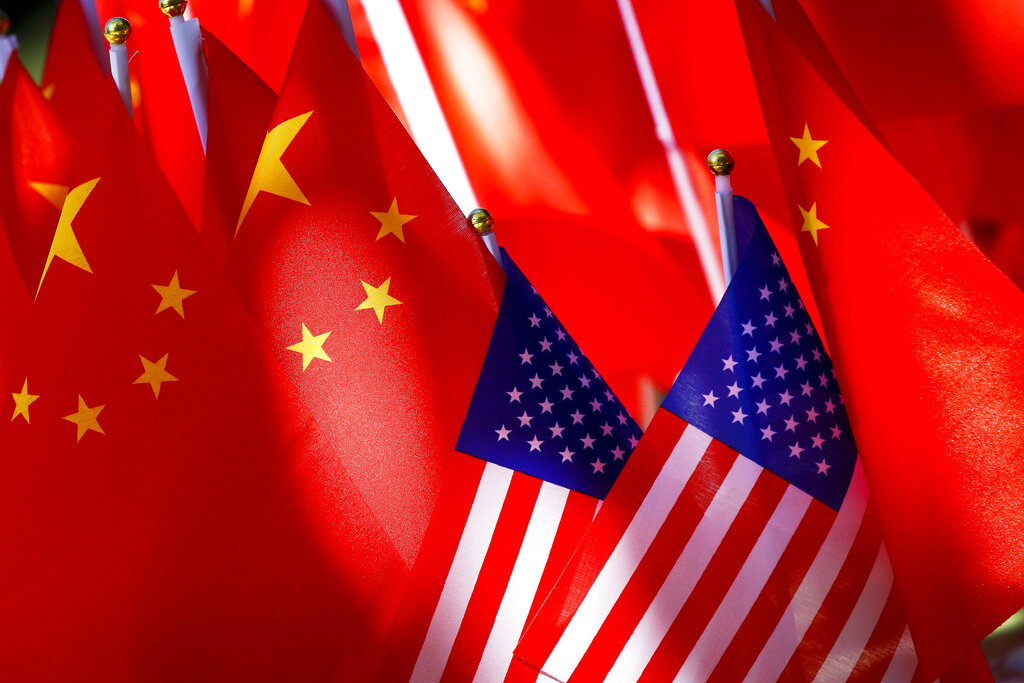
In recent years, the National Defense Authorization Act has emerged as a key mechanism for Congress to counter China’s military and technological ambitions. This vital legislation also needs to address a growing concern domestically: the transparent disclosure of foreign financial flows into American universities, along with the potential risks associated with these funds.
The higher education system of the United States plays a pivotal role in national security. American universities educate essential scientists and engineers, conduct federally funded research, and foster discoveries that contribute to military advantages. However, these strengths also attract foreign governments seeking influence, access, and proximity to sensitive research networks, with China being a notable concern due to its strategic approach to higher education.
Recent investigations by Congress have underscored these risks. Findings by the House Select Committee on Countering the Chinese Communist Party and the House Education and Workforce Committee revealed that millions in taxpayer-funded research has contributed to China’s military and technological progress through joint research and university partnerships. Concerns were raised regarding collaborations in areas like artificial intelligence, quantum technology, hypersonics, and nuclear physics, along with U.S.-China joint institutes connected to Chinese institutions with defense or security affiliations.
Foreign funding transparency is crucial not only for research security but also for addressing dependencies and conflicts of interest that could emerge from gifts, contracts, and partnerships within universities. A single relationship might seem manageable, but collectively, these can reveal patterns of influence and access that are important for policy makers to examine.
Current disclosure requirements do not provide sufficient insight. Section 117 of the Higher Education Act mandates reporting of foreign gifts and contracts that exceed $250,000 annually from a single foreign source. Although this threshold seems significant, enforcement by the Department of Education since 2019 has led to universities disclosing approximately $6.5 billion in previously unreported foreign funds. Senate investigators also noted non-disclosure of millions in Chinese government funds by schools hosting Confucius Institutes.
Furthermore, Department of Education data indicates over $405 million in transactions tied to foreign entities, some flagged on U.S. government watchlists or restricted lists. Such transactions include entities from the Commerce Department’s Entity List, which entails export-control restrictions, and firms on the Defense Department’s Section 1260H list associated with China’s military.
In response, Congress is considering strengthening mandatory disclosure requirements within the defense bill. Proposed measures involve reducing the reporting threshold from $250,000 to $50,000 and mandating full disclosure for countries of concern like China, Russia, Iran, and North Korea. Additionally, these measures aim to enhance enforcement and increase public access to foreign funding data.
The objective is clear: provide Congress, federal agencies, universities, students, and the public with a transparent view of foreign financial flows into American higher education. Enhanced disclosure would also facilitate better implementation since foreign funding data can be compared with existing risk indicators like export-control restrictions, defense-related entity lists, and past research-security issues. This comparison aids risk assessment before awarding grants, expanding partnerships, or universities relying on obscure foreign funds.
Importantly, these new requirements would not impede foreign students from studying in the U.S., nor restrict lawful study or impose nationality-based enrollment rules. Their primary focus is on transparency regarding foreign gifts, contracts, partnerships, and their conditions. This distinction reinforces America’s openness to global talent, a strategic advantage that transparency protects by distinguishing legitimate academic exchanges from potentially risky relationships.
As Congress deliberates China-related measures in this year’s defense bill, it should incorporate foreign funding disclosure. The aim is not to bar international access to American campuses but to ensure transparency about entities seeking access to them.