
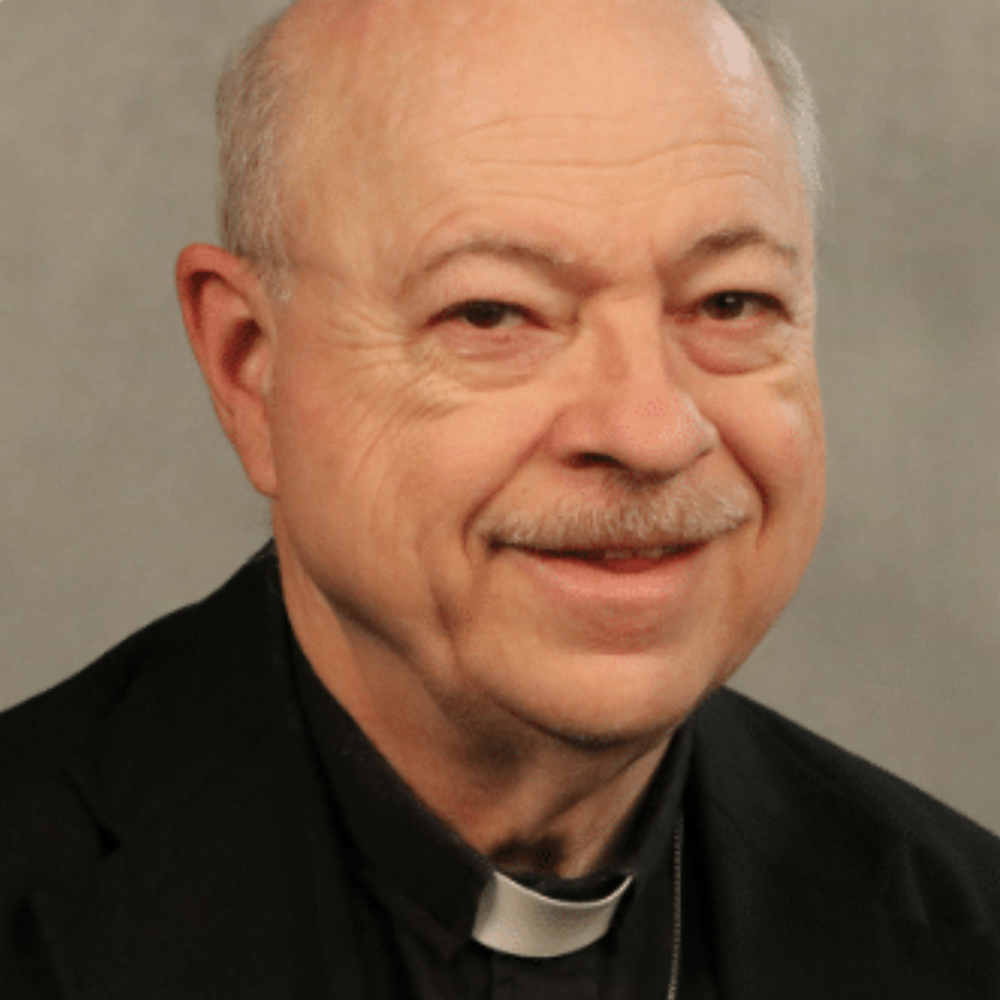
A Catholic bishop in Kentucky has directed a parish priest to stop celebrating the Traditional Latin Mass, a longstanding form of the Catholic mass predating modern church reforms. This decision underscores the influence of Vatican restrictions under Pope Francis across the global church.
Bishop William F. Medley of the Diocese of Owensboro informed Father David Kennedy in May, instructing him to cease offering mass according to the 1962 Roman Missal after June 30. This follows a temporary Vatican-approved arrangement that previously allowed Kennedy to celebrate the older form under specific conditions.
Medley noted he could not demonstrate that the conditions—most notably encouraging parishioners to attend modern mass versions—were fulfilled. Consequently, he could not request additional time from the Vatican.
This decision highlights the ongoing impact of Francis’ 2021 decree, Traditionis Custodes, which tightened restrictions on the Traditional Latin Mass and gave bishops authority over celebrations using the 1962 missal. The issue remains one of the most contested liturgical debates within the Catholic Church.
Beyond this case, other recent disputes between Catholic traditionalists and church leadership include tensions with the Society of St. Pius X, an ultraconservative breakaway group facing excommunication over plans to consecrate four bishops without papal approval. Newsweek has reached out to Medley, Kennedy, and the Vatican for comments via email.
What Is the Traditional Latin Mass?
The Traditional Latin Mass adheres to the 1962 Roman Missal, the last version before reforms by the Catholic Church in the 1960s. The mainstream version, known as the Novus Ordo or mass of Paul VI, emerged post-reforms. Though both can be celebrated in Latin, they differ in prayers, readings, and structure.
In 2018, Pope Francis limited the old mass’s use, citing divisions caused by its supporters rejecting Second Vatican Council reforms. Advocates of the Traditional Latin Mass emphasize preserving Catholic tradition, while supporters of the restrictions advocate unity around the modern form.
The Traditional Latin Mass is typically conducted entirely in Latin, featuring older prayers and rituals, often with the priest oriented towards the altar. In contrast, the modern mass predominates today, celebrated in local languages, with updated order of services, prayers, and readings.
Medley’s Statement in His Letter
In his correspondence to Kennedy, Medley noted his delay in change implementation for nearly a year. Following Francis’ passing last April, the bishop awaited Pope Leo XIV’s potential reconsideration of the Vatican’s policy on the Traditional Latin Mass.
Medley expressed hope for a policy revision but received no indications of forthcoming changes. Thus, he stated his obligation to act “in accord with the direction of the Holy See,” ending permission for the older mass form.
He did not outright ban Latin-language worship, permitting Kennedy to celebrate the modern mass in Latin, ad orientem. This emphasizes restrictions not on Latin itself but specifically on the older rite.
Editors contacted on this story include John Fitzpatrick and Shakeema Edwards.