
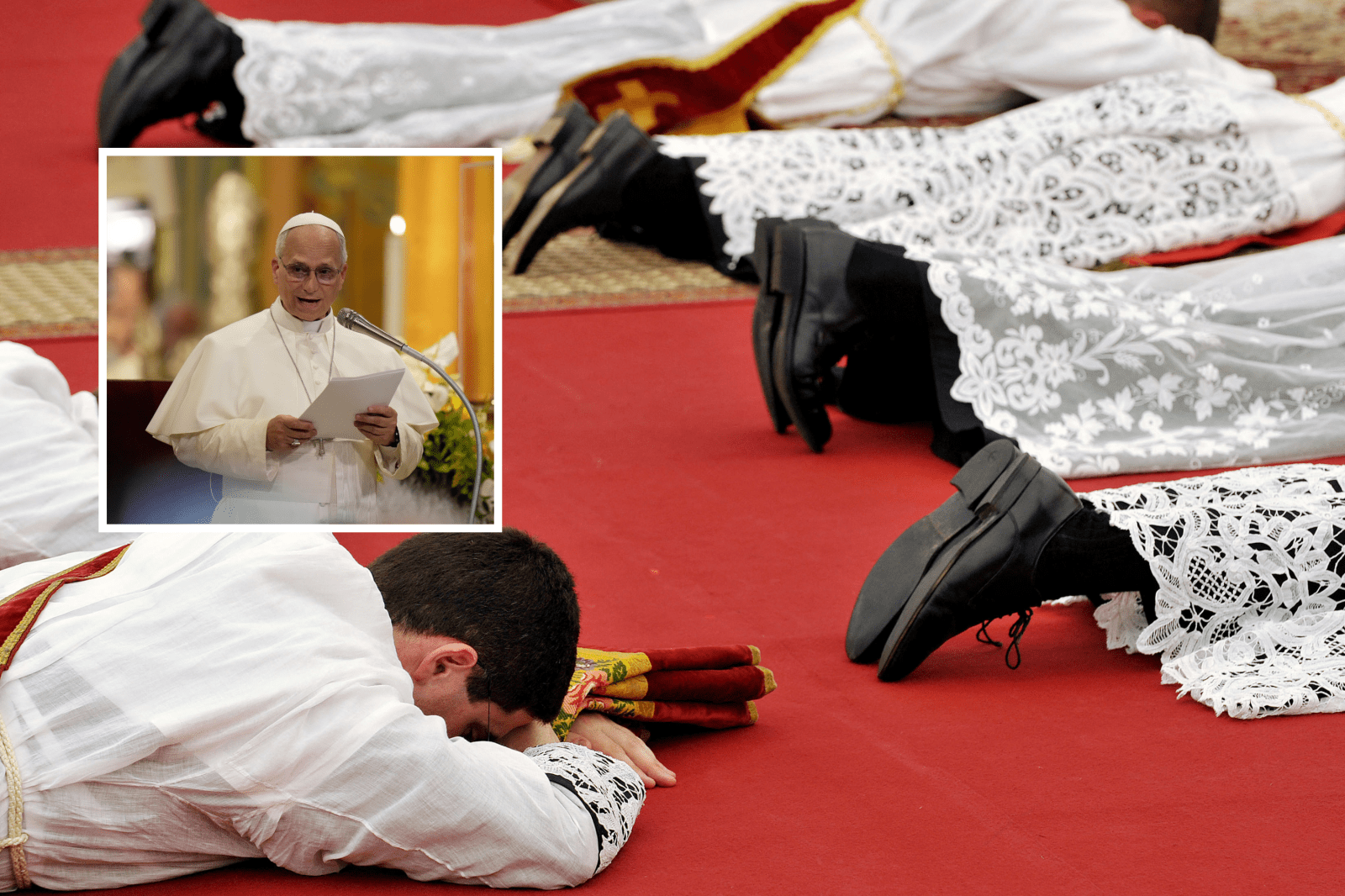
The longstanding conflict within the Catholic Church is nearing a critical point as the Society of St. Pius X (SSPX), a traditionalist priestly fraternity, prepares to defy the Vatican. The SSPX plans to consecrate four new bishops on July 1 at its seminary in Écône, Switzerland, despite Vatican warnings that such a move without papal approval constitutes a ‘schismatic act.’ Vatican officials state that canon law requires automatic excommunication for both the ordaining bishops and those being ordained.
The Standoff with Pope Leo XIV
This confrontation serves as an early test of Pope Leo XIV’s leadership, presenting the possibility of an institutional rift between the Vatican and a group that has navigated a complex canonical status since its establishment in 1970. Leo, who began his papacy in May 2025, made a personal appeal for the SSPX to abandon its plans, cautioning against worsening divisions within the Church. Yet, the SSPX has proceeded with preparations, staunchly defending their decision.
Last month, the SSPX named the four priests it aims to ordain — including American Father Michael Goldade — citing the necessity to ensure its future ministry due to having only two bishops left. This potential schism illustrates broader debates within global Catholicism, involving traditionalist groups preserving older liturgical practices versus church leaders embracing post-1960s reforms.
Historical Parallels and Past Schisms
The SSPX first announced in February its intent to ordain bishops without papal approval, a serious violation under Catholic canon law. In May, Cardinal Víctor Manuel Fernández, the Vatican’s head of discipline, warned that excommunication would result for all involved, barring them from sacraments, official ministry, positions of authority, and liturgical functions.
This dispute echoes historical events, notably from 1988 when the SSPX founder, Archbishop Marcel Lefebvre, consecrated four bishops without Pope John Paul II’s approval. The Vatican deemed the act schismatic and excommunicated Lefebvre, co-consecrating Bishop Antonio de Castro Mayer, and the newly ordained bishops: Bernard Fellay (Switzerland), Bernard Tissier de Mallerais (France), Richard Williamson (England), and Alfonso de Galarreta (Spain).
In 2009, Pope Benedict XVI lifted the excommunications of the surviving bishops, attempting to mend relations with the society. Yet the SSPX remained in what the Vatican calls a state of ‘canonical irregularity.’
Origin of the Decades-Long Dispute
Lefebvre established the SSPX in 1970 in reaction to changes after the Second Vatican Council, the influential 1962-1965 assembly that redefined many facets of Catholic life. The SSPX contested reforms in liturgy and relations with other religions, perceiving deviations from Catholic tradition. Despite adhering to Catholic doctrine and papal authority, the SSPX increasingly clashed with successive popes over church direction.
The society objected to Fiducia Supplicans, a 2023 Vatican declaration opening nonliturgical blessings for same-sex couples, seen by traditionalists as deviating from established practices. The Vatican pursued efforts to improve relations with the SSPX, offering to reopen theological discussions earlier this year. However, these discussions required the society to forgo its plans for new bishop consecrations, which it repeatedly refused.
Why SSPX Stands Firm
Father Davide Pagliarani, the society’s superior general, defends the decision as ‘realistic and reasonable,’ emphasizing the necessity of bishops to ordain priests and administer sacraments. SSPX figures illustrate its continued growth, showing an increase from 582 priests in 2015 to 733 by 2025, along with more priories and places of worship.
In the United States, the SSPX reported 124 priests serving 115 chapels and approximately 30,000 faithful. José LoMonaco, a Toronto Catholic, supports the consecration due to the society’s expansion, urgently calling for traditional bishops to ordain priests in the Roman rite as existing bishops near their 70s.
Current surviving SSPX bishops are Fellay, 68, and de Galarreta, 69, while Tissier de Mallerais died in 2024 at 79. Williamson was expelled from SSPX in 2012 and died in January 2025 at 84. The SSPX argues a ‘state of grave necessity,’ claiming doctrinal disputes with Rome justify advancing without papal approval.
Pope Leo’s Stance
The Vatican stresses the importance of unity within the Church, warning that the consecrations risk deepening the rupture with Rome. Pope Leo XIV discussed the issue last week, stating he may appeal to SSPX again and urging for communion within the Church. He lamented the refusal to accept core Church elements, including several Second Vatican Council points.
The SSPX counters with remarks from Bishop Athanasius Schneider, who deemed recent papal reforms a ‘disaster.’
Upcoming Ordinations
Here are the priests set for ordination on July 1:
- Michael Goldade (United States)
- Pascal Schreiber (Switzerland)
- Michel Poinsinet de Sivry (France)
- Marc Hanappier (France)
These priests hold leadership positions within the SSPX and represent a younger generation than the bishops consecrated in 1988, aged between 36 and 53 years. Their ordination signals a generational leadership change in the society.