
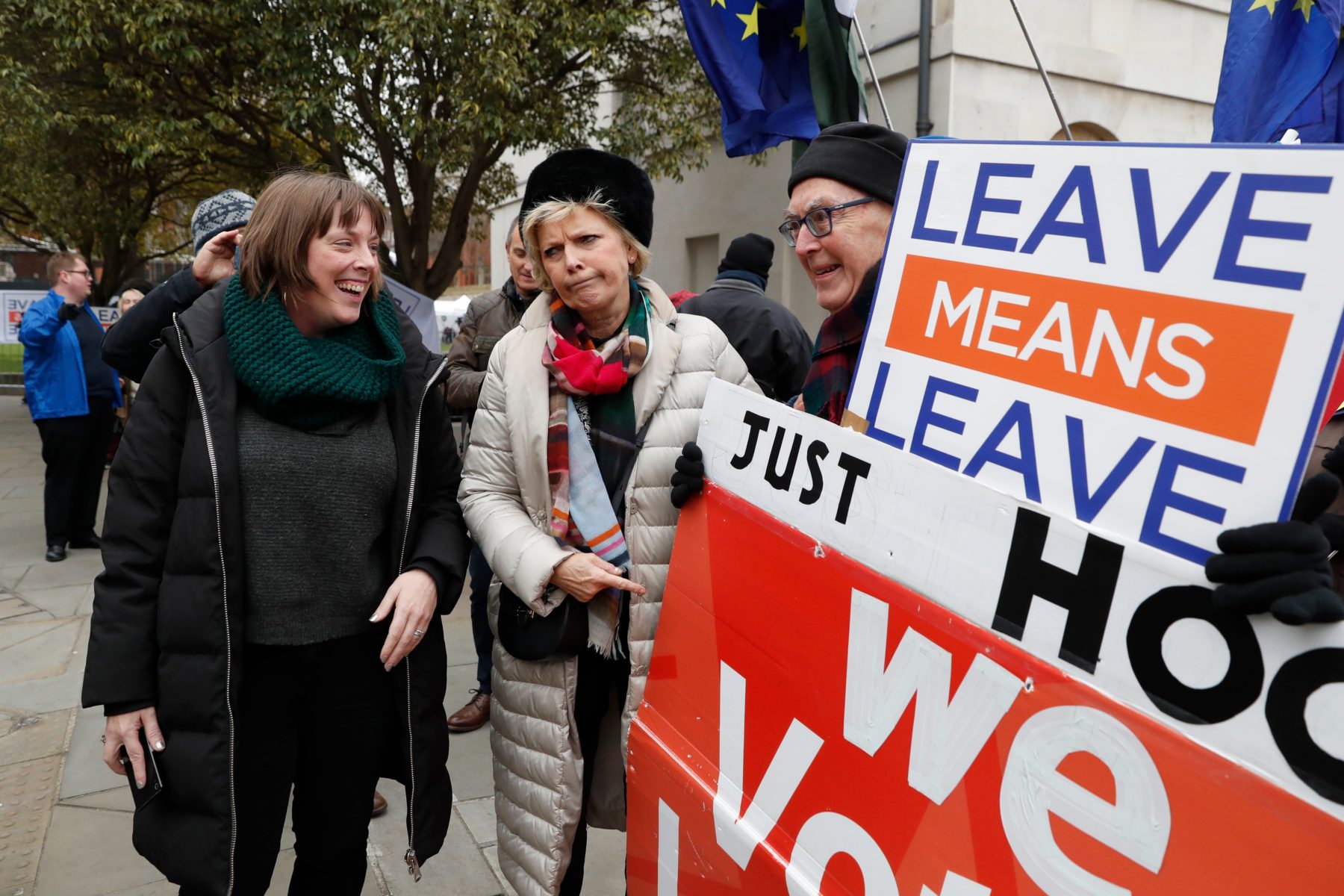
The European Union’s fracture from Brexit also left deep marks on British politics. The U.K. now prepares for its seventh prime minister since the historic June 23, 2016 vote, where the nation decided 52% to 48% to leave the EU after over four decades. Conservative Prime Minister David Cameron, who initiated the referendum but supported remaining in the EU, resigned immediately after the result. Since then, successors have struggled with the consequences.
The latest leader affected is Labour Prime Minister Keir Starmer. He announced his resignation after handling a sluggish economy and a fragmented electorate for two years. These challenges partly stemmed from Brexit. Despite fading headlines, Brexit’s impact lingers in Britain’s political landscape, according to academic Chris Grey.
‘The subterranean trace of Brexit still runs through Britain’s increasingly unruly politics,’ Grey commented.
The Brexit campaign resonated with those frustrated by EU membership. It promised to reclaim control over laws, economy, and borders. While the ‘remain’ campaign warned of economic repercussions, the ‘leave’ advocates had a different tone. Boris Johnson, a lead Brexit supporter, envisioned a future of hope in the weeks leading to the vote. Margaret MacMillan from the University of Toronto noted that Brexit was driven by nostalgia and resistance to perceived unrestricted immigration and EU rules.
After the referendum, the reality of making Brexit viable clashed with expectations. Brexit proponents promised controls on immigration, trade deals, increased public service funding, and simpler regulations. Instead, protracted negotiations ensued, leading to the UK formally leaving the EU on January 31, 2020, with an 11-month transition period.
Prime Minister Theresa May, Cameron’s successor, resigned in 2019 due to failing to secure agreeable exit terms. Boris Johnson followed, securing a basic trade deal post-negotiations, but faced ousting by mid-2022 amid scandals. Later, Liz Truss held the role briefly, succeeded by Rishi Sunak, who modestly improved EU relations without major changes.
Starmer, promising a political reset, rejected reentry to the EU’s single market. He steps down with Brexit incomplete and unresolved. Political parties have undergone fractures due to Brexit. Historian Anthony Seldon shared that Cameron intended the referendum to resolve Conservative disputes over Europe. That did not happen. Neither the Conservatives nor Labour fully healed internal divisions.
Labour generally supported closer EU ties. Yet, internal rifts exist between rejoining advocates and leaders like Starmer avoiding past wounds. As millions shift away from main parties, alternatives like the Green Party and Reform UK gain ground. Nigel Farage leverages Brexit’s outcome to elevate political influence, pointing to immigration from asylum seekers as a focus.
Economic struggles post-Brexit arise, not solely due to the EU exit. The COVID-19 pandemic and other global events contribute to low growth. Businesses now face barriers trading with neighbors. Political honesty is lacking for acknowledging these economic challenges, notes Hannah White from the Institute for Government think tank.
‘We haven’t had politicians upfront about the impossibility of no tax rises, debt, and improved services simultaneously,’ White said.
Brexit’s ease on immigration debates proved elusive. Recent figures show climbing migration post-Brexit, exceeding 900,000 in 2023 before reducing to 171,000. Cynicism towards institutions and politicians grows. In recent times, anti-immigration sentiment has escalated, leading to street violence in the wake of crimes linked, truthfully or falsely, to immigrants. Grey observed an eroding line between political discourse and street violence, a degradation tracing back to Brexit.
Public sentiment shows many Britons question the Brexit decision. Recent surveys indicate mounting favor towards rejoining the EU. A small rejoin march occurred recently, contrasting with larger protests from past years. Many prefer moving forward, as Brexit remains politically fraught.
Rejoining the EU would involve lengthy, cautious steps, given EU wariness. Until addressing the Brexit legacy, the U.K. may perpetually endure political and social issues. Grey likened it to a chronic and sapping ailment impairing energy. Still, addressing Brexit’s impact remains unpopular for lawmakers.
‘A chronic thing, not necessarily incurable, but going to the doctor isn’t pleasant,’ Grey said.