
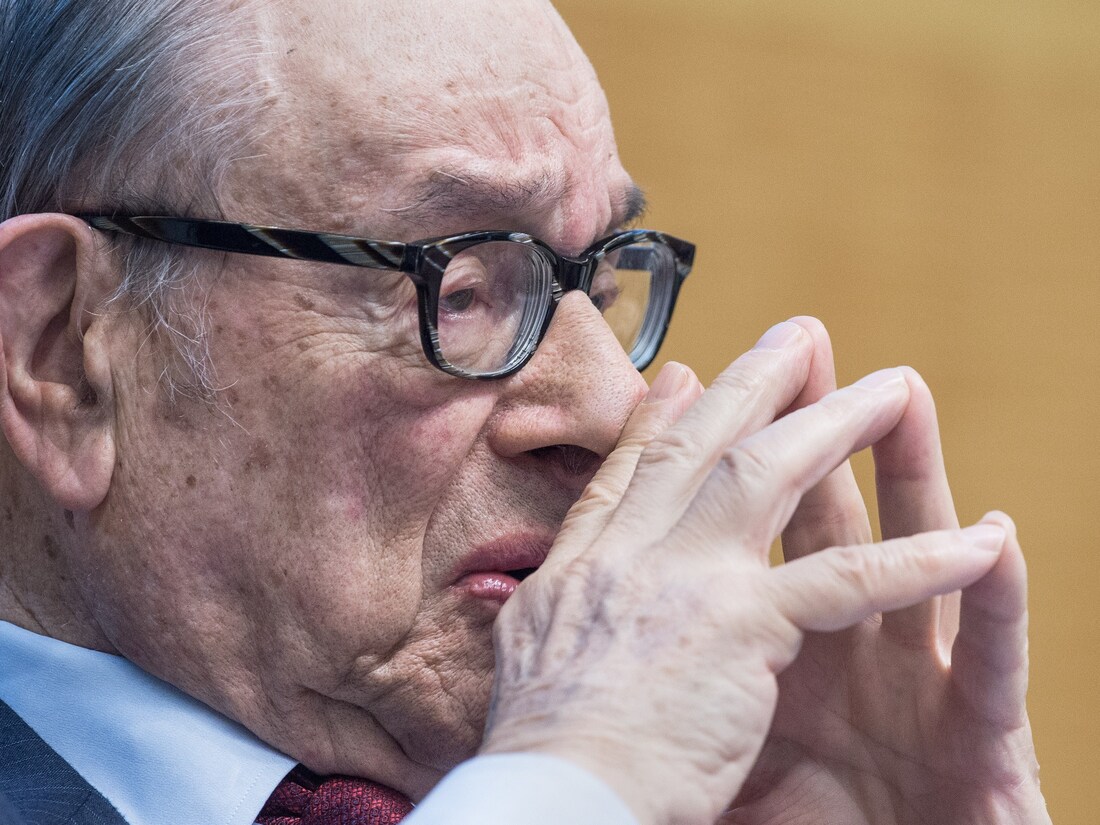
Alan Greenspan, a prominent figure in U.S. economic history, passed away at the age of 100. Serving as Federal Reserve Chair for nearly two decades, he played a key role during some of the longest economic expansions in the nation’s history. Greenspan’s leadership was both celebrated and criticized, reflecting the complexities of his impact.
Greenspan’s Rise to Fame
Greenspan became a household name during his tenure at the Federal Reserve, especially in the 1990s. His economic policies were influential, shaping U.S. prosperity at the end of the 20th century. Known for his strategic decisions, Greenspan steered the economy under four presidents, beginning his service in 1987. Despite the traditional practice of raising interest rates to combat inflation during periods of low unemployment, Greenspan maintained lower borrowing costs, contributing to economic growth.
Monetary Policy and Economic Boom
The decision to keep interest rates low resulted in a prolonged economic boom. However, critics argue this approach contributed to the dot-com bubble and later the subprime mortgage crisis. Greenspan also opted for minimal regulatory intervention, believing in the self-regulation of bankers driven by their own interests. His philosophy was significantly influenced by novelist Ayn Rand, underlining his libertarian approach.
Challenges and Criticisms
Greenspan’s tenure included oversight of a booming economy but also coincided with recessions and financial turmoil. Despite contributing to growth, his policies are scrutinized for their role in later economic downturns. Greenspan admitted later that relying on self-interest wasn’t sufficient to prevent risky banking behaviors that led to the financial crisis of 2008.
Greenspan’s Musical Talents
Beyond economics, Greenspan was an accomplished jazz musician, studying clarinet and saxophone at Juilliard. This facet of his personality contributed to his image as not just an economist but a diverse individual.
Acknowledging Mistakes
Despite the challenges, Greenspan showed introspection by admitting his missteps post the 2008 meltdown. He expressed shock at the failure of market mechanisms he believed in, reevaluating the efficacy of the self-regulation he championed.
Legacy
Greenspan left behind a complex legacy marked by success and shortcomings. His mastery of monetary policy underscored times of prosperity, but his reluctance in regulation remains contentious. His era at the Fed is remembered for economic booms and the financial challenges that followed.