
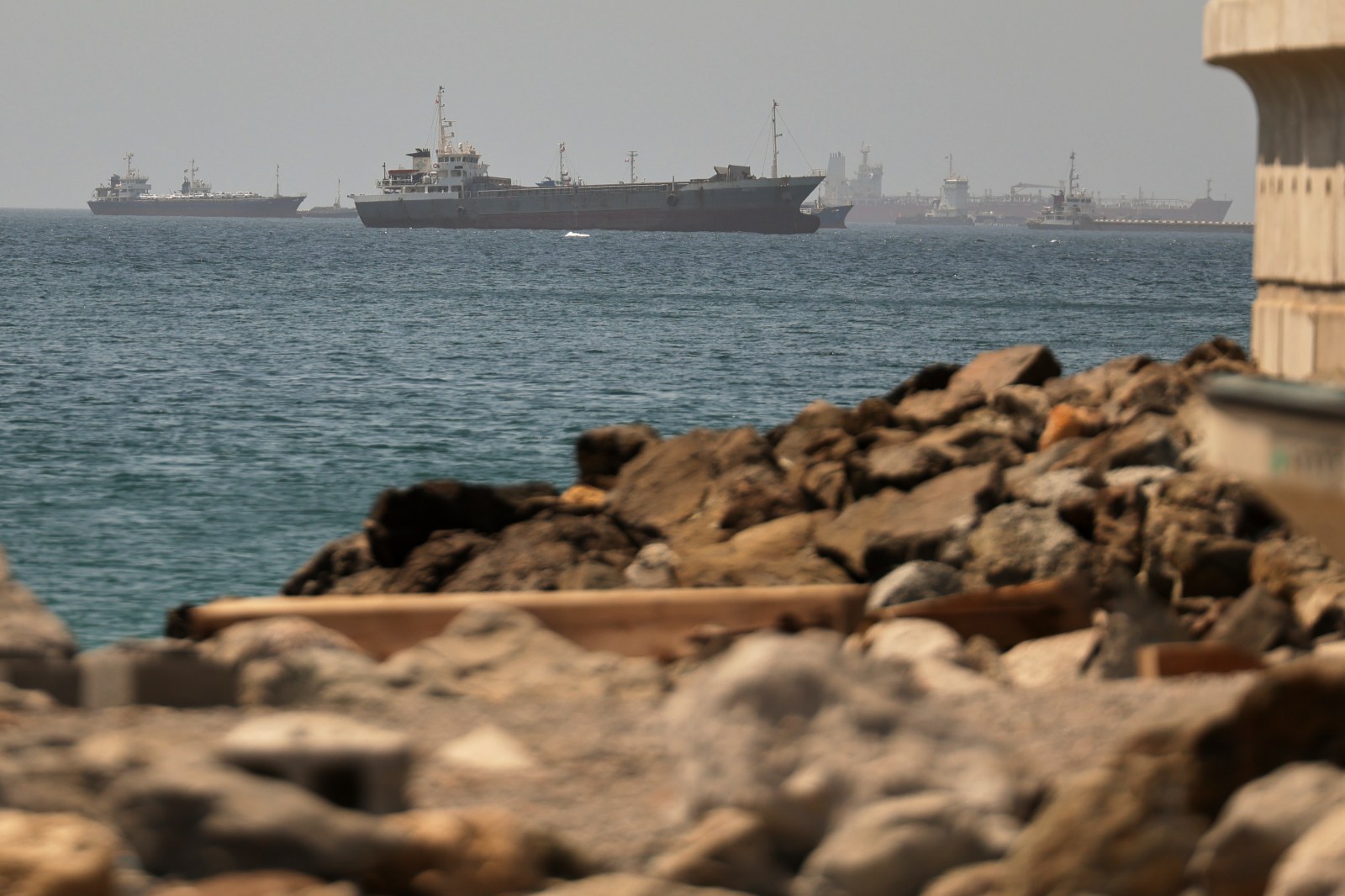
The tenuous 60-day ceasefire between the United States and Iran has temporarily reopened the Strait of Hormuz. Conflicting claims concerning tolls, security enforcement, and long-term authority have increased uncertainty over the future of this vital oil chokepoint. The interim agreement signed last week aims to stabilize global energy markets after months of conflict. It creates a 60-day period for negotiators to explore a wider agreement, cease active hostilities, and requires the U.S. to end its naval blockade of Iranian ports.
However, differing narratives from Washington and Tehran are already testing the deal, raising fears that the strategic waterway could lead to renewed economic and military instability before extensive discussions even start.
Conflicting Reports on Maritime Traffic
Over the weekend, conflicting reports emerged about the strait’s operational status. Open-source intelligence reported brief disruptions on Saturday and Sunday, noting the tanker Starbound Explorer turned back in Iranian waters, and the container ship MSC Qingdao temporarily reversed course before departing through Omani waters.
U.S. officials minimized reports of a shutdown, confirming that shipping lanes remain clear and heavily utilized. “Yesterday, 67 ships went through the Strait of Hormuz. The day before, it was 55 ships,” Energy Secretary Chris Wright stated on Fox News. “In terms of oil and oil products, it’s comparable to the period before the conflict.” Vice President JD Vance echoed these comments, assuring that “the straits really are open” due to ongoing international enforcement efforts.
Unresolved Framework of the Ceasefire
According to the memorandum of understanding (MOU), Iran agreed to allow safe, toll-free passage of commercial vessels through the strait during the 60-day window. During this period, Iran, Oman, and other Gulf states are expected to negotiate the future management and maritime services of the waterway. However, critical mechanisms remain unresolved, such as:
- Which international or regional forces will enforce security.
- Whether transit fees or tolls could be legally imposed after the ceasefire expires.
- How future maritime disputes among Washington, Tehran, and regional actors will be resolved.
The lack of clarity has allowed both sides to present vastly different interpretations of who has ultimate authority over the strait.
Trump Warns of U.S. Intervention, Tolls
President Donald Trump has praised the agreement as a success but has also intensified his stance on U.S. oversight in the region. Through posts on Truth Social, Trump mentioned there would be “no tolls” during the 60-day period but proposed a 20 percent transit fee on foreign vessels afterward “for services rendered as the Guardian Angel to the countries of the Middle East,” to offset past and future U.S. military expenses.
The president also threatened severe military and economic retaliation if Tehran attempts to reclose the strait. “You close it, and you won’t have a country,” Trump remarked to Fox News reporter Trey Yingst, addressing Tehran’s diplomats in Switzerland. “We may take over the Strait, if necessary. If they fail to agree, we’ll collect tolls.”
Iran Asserts Sovereignty
Tehran maintains that the Strait of Hormuz lies firmly within its sphere of sovereign control. On Sunday, a message from the Iranian military’s operations command on Tasnim’s Telegram account asserted the strait “will be closed to vessel traffic.” Although traffic continued despite the statement, Iranian military officials consistently claim management of the strait with “full authority” by Iran’s armed forces. Officials in Tehran warn they could restrict access again if the U.S. or its allies violate ceasefire terms or in response to broader regional conflicts like the war between Israel and the Iranian-backed militant group Hezbollah in Lebanon.
The Global Market Implications
Ongoing tensions continue to unsettle global energy markets. The Strait of Hormuz is the world’s most significant oil chokepoint, carrying roughly a fifth of the world’s petroleum liquids and considerable amounts of liquefied natural gas. During preceding conflict phases, reduced shipping traffic and prolonged closure threats drove crude prices sharply higher, amplified global supply chain strains, and increased maritime insurance premiums. Financial markets also reacted sharply; energy stocks often rise on supply concerns, while broader equities face declines due to economic slowdown fears linked to elevated energy costs.
The 60-day agreement provides temporary relief to shipping companies and commodities traders, yet analysts warn the underlying geopolitical dispute remains unsettled. As long as Washington and Tehran pursue opposing visions for the waterway, the strait stays a volatile point for the global economy.