
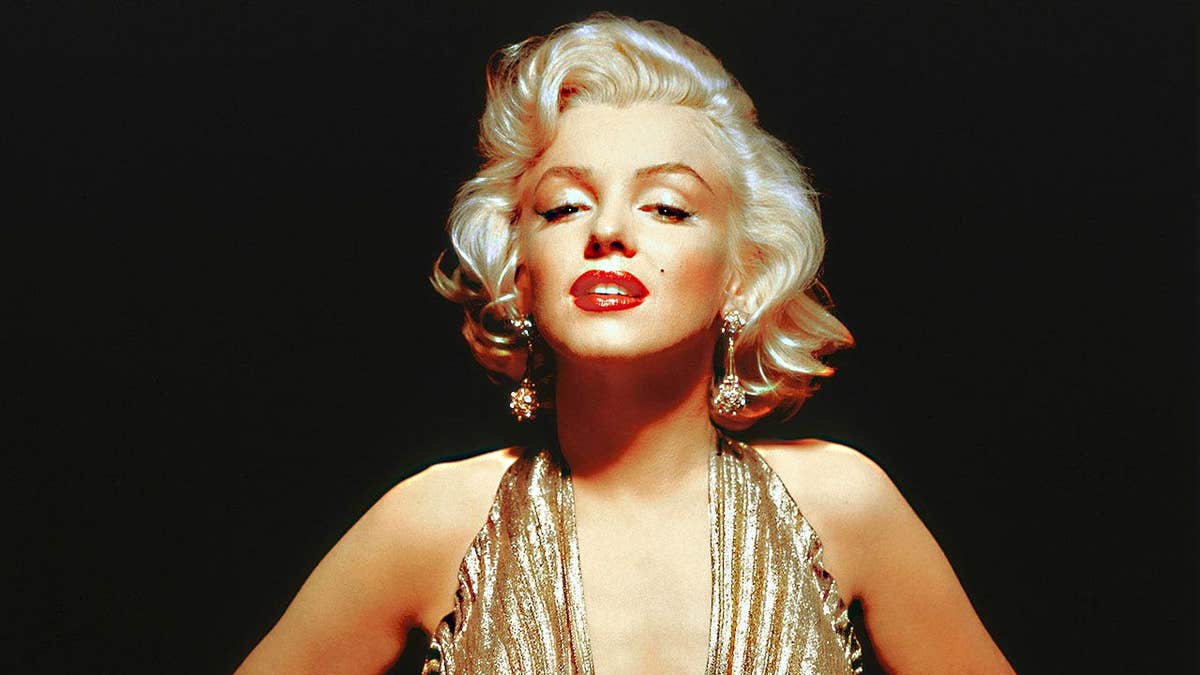
As the world marks the 100th anniversary of Marilyn Monroe’s birth, former cold case investigator Paul Holes is taking a fresh look at her mysterious death.
Holes, renowned for solving the Golden State Killer case, now turns his attention to Monroe’s 1962 death, exploring new technologies on FOX’s “Celebrity Crime Scene: Marilyn Monroe.”
MARILYN MONROE’S FORMER HOME DECLARED HISTORIC MONUMENT, OWNERS SAY IT KILLED THEIR $8M INVESTMENT
Premiering on June 21 on FOX, and available on Hulu the next day, the show utilizes artificial intelligence to recreate Monroe’s home and delve into the questions surrounding her death. Holes works alongside senior crime scene analyst Alina Burroughs and true crime reporter Kiki Monique.
Holes highlights the inadequate documentation of Monroe’s death scene in 1962, noting its impact on subsequent investigations. Photos from the scene are scarce, but existing images reveal inconsistencies that raise doubts about the overdose ruling.
In August 1962, Monroe was discovered dead, nude in bed with an empty bottle of Nembutal capsules nearby, but no suicide note was found. Holes questions the conclusion of suicide based on the arrangement of Monroe’s room and the placement of pill bottles.
Holes notes, “The sheets are clean, and she’s arranged on the bed in a way that doesn’t suggest an overdose to me.” He emphasized the importance of questioning such inconsistencies to form a clearer understanding of what occurred.
While Monroe’s struggle with mental health was well-documented, Holes believes her medical treatment deserves further scrutiny, citing potential issues with her prescribed medications. Monroe’s physician, Dr. Hyman Engelberg, and psychiatrist Dr. Ralph Greenson prescribed her sedatives, raising concerns about their appropriateness.
The actress was heavily reliant on prescription drugs, aimed at addressing insomnia and anxiety. However, discrepancies in medical prescriptions fuel further investigation.
A prescription for chloral hydrate surfaced, issued to Monroe months before her death, signed by Engelberg. Yet, Engelberg remained silent about certain aspects of his treatment.
Accusations that Engelberg overprescribed medication, compounded by the cocktail of drugs found in Monroe’s system, suggest modern standards could question his practices.
On the night Monroe died, her housekeeper Eunice Murray contacted Dr. Greenson. He arrived, broke a window, and discovered Monroe’s body, subsequently calling Engelberg. Notably, there was a considerable delay before they notified the police.
Though conspiracy theories surrounding Monroe’s death persist, a 1982 investigation concluded without evidence of criminal involvement.
Holes underlines the need to examine these theories to understand Monroe’s case better. Despite advances in forensic science, Holes asserts witness accounts may hold untapped potential for insight.
Monroe’s FBI monitoring related to suspected Communist ties further adds layers to the mystery surrounding her final years.
Holes wonders about unreleased FBI documents that might reveal more about Monroe’s interactions with political figures, like President John F. Kennedy.
“Celebrity Crime Scene” prompts viewers to draw their conclusions on Monroe’s death, officially declared a probable suicide.
Holes criticizes the LAPD’s original investigation approach. He suggests Monroe’s case should have been treated as a potential homicide from the outset. Monroe’s crypt at Westwood Memorial Park stands as a reminder of unresolved questions her case still poses. Holes concludes, “The LAPD did not abide by standard procedures, and Monroe’s case deserves a thorough reevaluation.”