
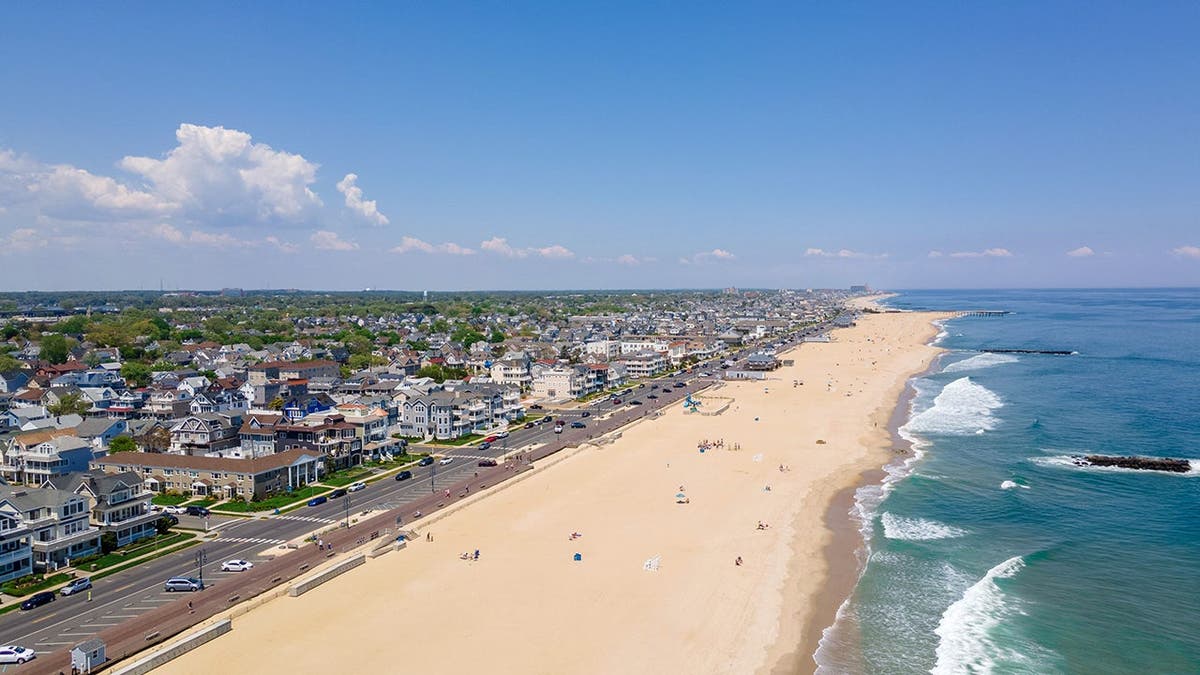
Officials across several states are urging beachgoers to check local water-quality advisories before swimming this summer. Elevated bacteria levels have led to beach closures and health alerts in Iowa, Massachusetts, New Jersey, and Washington state.
Last summer, Environment America Research & Policy Center highlighted that 61% of U.S. beaches had potentially unsafe contamination levels in 2024. Beaches can become contaminated from fecal matter due to urban runoff and sewage overflows, as well as pathogens from factory farms.
The Iowa Department of Natural Resources (DNR) has advised against swimming at certain beaches like Backbone Beach, Pine Lake South Beach, Geode Lake Beach, Union Grove Beach, Pleasant Creek Beach, and Nine Eagles Beach because of elevated E. coli levels. This bacteria, although normally harmless and a part of a healthy intestinal tract according to the Centers for Disease Control and Prevention (CDC), can be dangerous. Certain strains may cause severe health issues for vulnerable groups such as the very young, elderly, and those with compromised immune systems.
The Iowa DNR’s beach-monitoring page lists beach status as: ‘ok for swimming’, ‘swimming not recommended’, ‘beach closed’, ‘insufficient data’, or ‘special status’.
Massachusetts officials have closed several beaches due to high bacteria levels, toxic blue-green algae, and other issues. Places like Damon Pond Beach, both Cliff Pond beaches, Cochituate State Park, College Pond, both Fearings Pond beaches, Forest River, and Juniper Point have been affected according to NBC Boston.
An Interactive Beach Water Quality Dashboard is maintained by the Massachusetts Department of Public Health, providing hourly data throughout the beach season.
In Washington state, several beaches are under permanent swimming advisories due to unsafe water conditions. High fecal bacterial levels have led eight beaches and lakes such as Ferry and Bay, Baywyn and Bay, Wildwood and Bay, and Cedar Point Beach to get swimming advisories. Beesley’s Point Beach has been closed.
- Washington’s beach advisory map warns of increased bacteria levels with advisories issued by local health departments at Freeland County Park/ Holmes Harbor, Walker County Park, Squaxin Park, Little Squalicum Park, West Bay Park, and Thea Foss Waterway. Several advisories are ‘permanent’.
- Lake Meridian Park is closed due to high bacteria levels as announced by the City of Kent.
Symptoms of E. coli infection can include diarrhea, stomach cramps, vomiting, and fever. Severe cases might lead to dehydration according to the CDC.
Teresa Mull is a freelance writer with the Lifestyle team at Fox News Digital.