
The initial agreement between the U.S. and Iran, though less than a week old, has generated uncertainty and controversy. The idea of a Swiss signing ceremony has been abandoned, disagreements have arisen with Israel and Congress, and the status of future discussions is unclear.
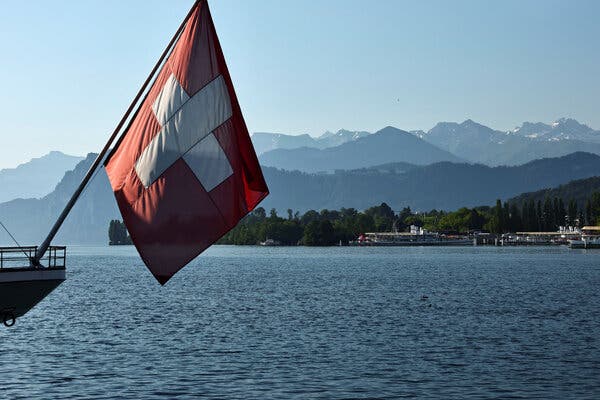
On Thursday, preparations in Switzerland seemed to promise clarity for ongoing efforts to end the conflict in Iran. Officials were setting up a luxury resort at Bürgenstock for key discussions on the preliminary deal. Meanwhile, Air Force Two awaited Vice President JD Vance in Washington, ready to fly him to Switzerland.
At 3 a.m. on Friday, Swiss time, news arrived from the U.S.: Vice President Vance wouldn’t be attending. The talks were canceled without much explanation, and no new date was provided. According to a White House statement, “The logistics of these negotiations have never been simple or predictable.” Later reports revealed Iran backed out to protest Israeli actions in Lebanon, where Israel is engaged with Hezbollah, an ally of Iran.
This move capped off a week marked by confusion surrounding President Trump’s attempt to finalize and promote an agreement with Iran. Several points of contention include:
- Undefined Parameters: The agreement’s specifics took a few days to be released and remain unclear. U.S. and Iranian officials have interpreted the deal in vastly different ways, with American leaders insisting it includes promises not apparent in the text.
- Unresolved Nuclear and Trade Issues: Key questions regarding Iran’s nuclear program and the openness of the Strait of Hormuz for trade remain unanswered. These issues are deferred to a second, 60-day negotiation phase, yet talks have been delayed with no new starting date.
- Dispute Between Allies: U.S. and Israeli leaders, the initiators of the war, hold different views on the agreement. It is uncertain if Israel will follow the agreement, and current Israel-Hezbollah tensions threaten it further.
The intended stabilizing effect of the agreement on global politics, trade, and markets has been compromised, leaving global leaders uncertain about future outcomes.
“I think it’s regrettable,” said Micheál Martin, Ireland’s prime minister, during a news conference with European leaders in Belgium. “It’s not entirely surprising. However, I urge continued dialogue and adherence to the agreement since the world needs stability and peace.”
Adding to the confusion, President Trump announced the deal Sunday without detailing its contents. There were discussions about a signing ceremony at Lake Geneva near the Swiss-French border but those plans were not finalized.