
The discussion surrounding women’s sports and the legal battles that shape their future has intensified with recent Supreme Court considerations. A pivotal case, Little v. Hecox, along with West Virginia v. B.P.J., highlights potential ramifications for female athletes across the U.S.
Key Legal Cases
The discussion on The Riley Gaines Show brings focus to these court cases and their potential impact. The show, hosted by Riley and Jennifer, delves into the cultural, legal, and athletic dimensions of this ongoing debate. They highlight how the rulings could redefine participation in women’s sports.
Nike and the Cultural Battle
Nike’s historical approach to women’s athletics is under scrutiny. The conversation also examines why many high-profile athletes refrain from engaging publicly in this debate. Meanwhile, brands like XX-XY Athletics are pushing for a new discourse on sex-based rights in sports.
Investigations into Title IX Violations
In the U.S., the Department of Education has launched four Title IX probes, targeting issues in Michigan and North Carolina. Ann Arbor Public Schools and Monroe Public Schools face investigations for allegedly allowing male students to compete in girls’ sports and use female locker rooms. In North Carolina, the Buncombe County Schools district faces complaints about restroom access.
Federal Response to Allegations
The complex practice of allowing students to join sex-segregated teams based on gender identity poses safety risks and violates federal law,” said Kimberly Richey, Assistant Secretary for Civil Rights.
Under the Trump Administration, Title IX was enforced strictly according to its original purpose: protecting against sex-based discrimination. Continuous complaints from parents indicate ongoing concerns about student safety under current interpretations of the law.
School Districts and Compliance
The Ann Arbor district allegedly permitted a male on the girls’ volleyball team, drawing attention for maintaining such policies. Monroe Public Schools is accused of subjecting female athletes to compete against a male and share locker rooms. The Chippewa Valley District faced accusations involving locker room access by gender. However, the Buncombe County Schools district asserts compliance with federal regulations regarding student facility use.
Public Protests and Administration Stance
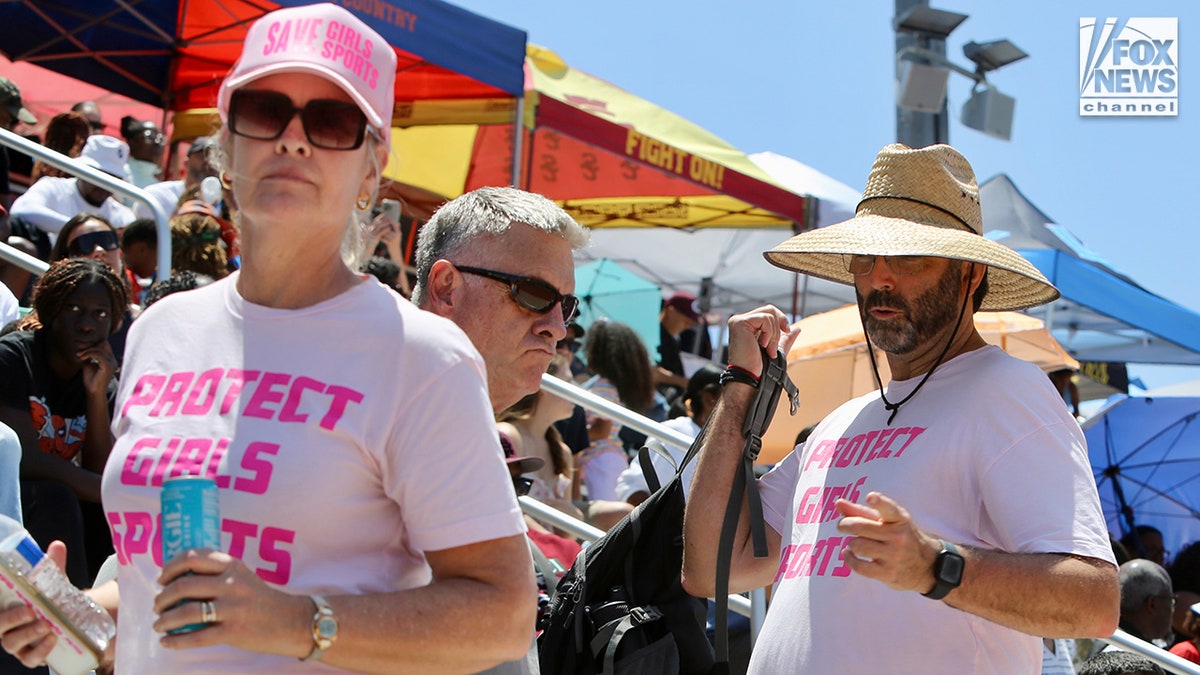
Protests at the Supreme Court in Washington, D.C., and the “Our Bodies, Our Sports” rally highlight the public’s divide on the inclusion of transgender athletes in women’s sports. Demonstrators at these events urge the Biden Administration to limit transgender participation in order to preserve women’s sports.
As educational institutions navigate these complexities, Supreme Court rulings remain critical in shaping policies and ensuring compliance with federal laws.