
President Trump celebrated the conclusion of his 106-day conflict with Iran. The initial agreement he signed in Versailles indicated a definitive end, more decisive than previous claims by Secretary of State Marco Rubio. The administration framed it as a “decisive military victory,” though Iran’s government remains and its nuclear program continues. The U.S. plans to release Iranian assets and lift sanctions, spending $300 billion on regional reconstruction. Despite the proclaimed victory, the war left the U.S. military presence in the region compromised.
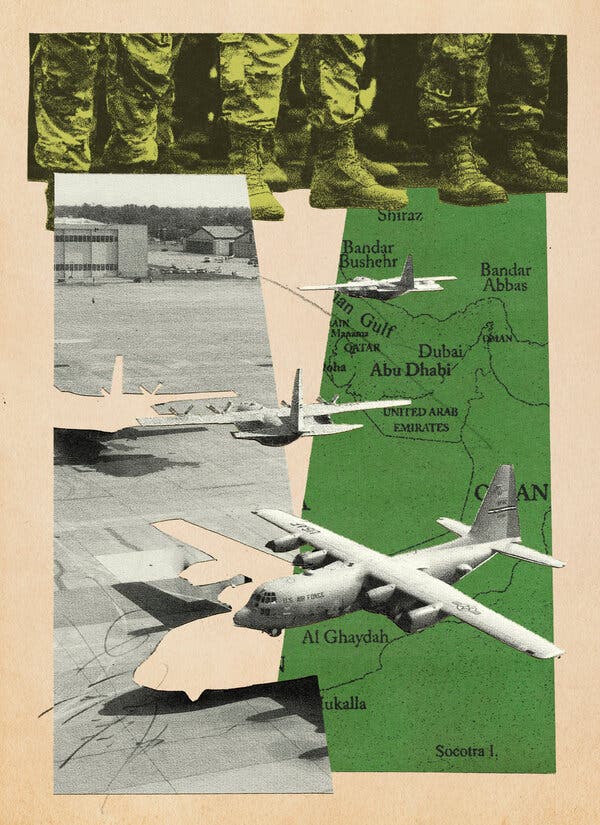
The Iran war challenged the security that American military bases provided to allies in the Middle East. For instance, the Navy base in Bahrain, hosting military families, needed evacuation before Iranian attacks. The main Combined Air Operations Center in Qatar became inoperable. As Vali Nasr of Johns Hopkins University remarked, the damage to these bases has significant non-monetary costs.
Globally, the U.S. maintains military bases in 51 nations, serving to project power and offer security guarantees. However, the war with Iran has led some allies to reconsider their support for American military presence. Maryam Al-Kuwari from Qatar University noted that questions arose among Gulf citizens about the worth of hosting U.S. bases. Some U.S. diplomats in Bahrain expressed concern over perceptions that the U.S. abandoned its commitments.
The Iran war exposed the diminishing influence of the United States that its administration could not fully admit. The cease-fire presented a destabilizing effect, highlighting the limits of American hegemonic power. Narges Bajoghli from Johns Hopkins University suggested that the U.S. government is grappling with the reality of losing a strategic war.