
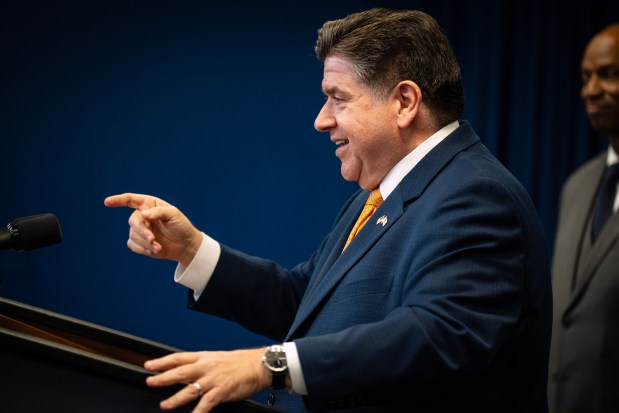
Governor JB Pritzker has approved a nearly $56 billion budget for Illinois, emphasizing its focus on the state’s future despite challenges posed by federal policies. Highlighting the importance of the budget, Pritzker remarked, “This is a budget for Illinois’ future, even as the federal government works to take us backward.” He announced the budget at the state headquarters in Chicago, describing it as a counter-move against federal challenges, including efforts by former President Donald Trump’s administration that have impacted state funding.
Pritzker, aiming for reelection and potentially a 2028 presidential run, highlighted the budget’s provisions, which include election-year tax breaks and a windfall from the state’s gas sales tax. The budget becomes effective July 1 and covers the final period of Pritzker’s current gubernatorial term. Despite rapid passage of the budget due to Democratic urgency, a typographical error led to the veto of over $500 billion in spending intended for the NAACP’s operating expenses.
While signing the budget, Pritzker faced criticisms, notably from Illinois Attorney General Kwame Raoul, regarding reduced funding for his office due to the complexity of meeting federal challenges. Raoul highlighted concerns about funding cuts, stating that the overall budget had dropped by about $10 million. The attorney general has been active in filing lawsuits against Trump’s policies, particularly regarding immigrant rights and funding issues affecting Illinois.
Pritzker acknowledged Raoul’s efforts while downplaying the funding reduction, attributing changes to alternate funding sources like legal settlements. This budget approved by Pritzker, filled with references to past governance like the Rauner administration, aims to balance fiscal responsibilities while addressing affordability challenges against a backdrop of increased federal pressure.
The approved budget raises no new state sales or income tax rates but uses new taxes and policy tweaks. These include delaying a planned increase in gasoline tax and implementing a sales tax holiday in August for back-to-school shopping. It also involves diverting surplus sales tax revenue from high gas prices from mass transit to the operating budget.
With additional revenue measures, the budget includes projections of $300 million from corporate tax deductions caps, new taxes on social media users, and cryptocurrency broker taxes. There’s also revenue redirection from certain sales taxes into the operating budget.
The budget sets increased funding for education and safety-net hospitals, and creates a food assistance program for those losing SNAP benefits due to new federal work requirements. Pritzker’s comments reflected a long-term vision for the budget, advocating for responsible fiscal management by balancing the budget.
Another focal point remains unresolved; negotiations on aid for a new Chicago Bears stadium. Despite Indiana’s progress on potentially hosting the stadium, Illinois House Speaker Emanuel “Chris” Welch expressed optimism about keeping the team in Illinois. He stressed the importance of reaching an agreement with the Bears and the state’s stakeholders.
Pritzker reiterated fiscal precautions concerning the stadium deal, prioritizing taxpayer interests while expressing a desire to keep the Chicago Bears within the state.