
The United States and Iran have made progress in efforts to end their ongoing conflict. Both nations are emphasizing their achievements in a costly war affecting the Middle East and global markets. Although the memorandum of understanding announced on Sunday, scheduled for signing on Friday, does not assure lasting peace, Iran has managed to survive a joint campaign by its adversaries, the U.S. and Israel.
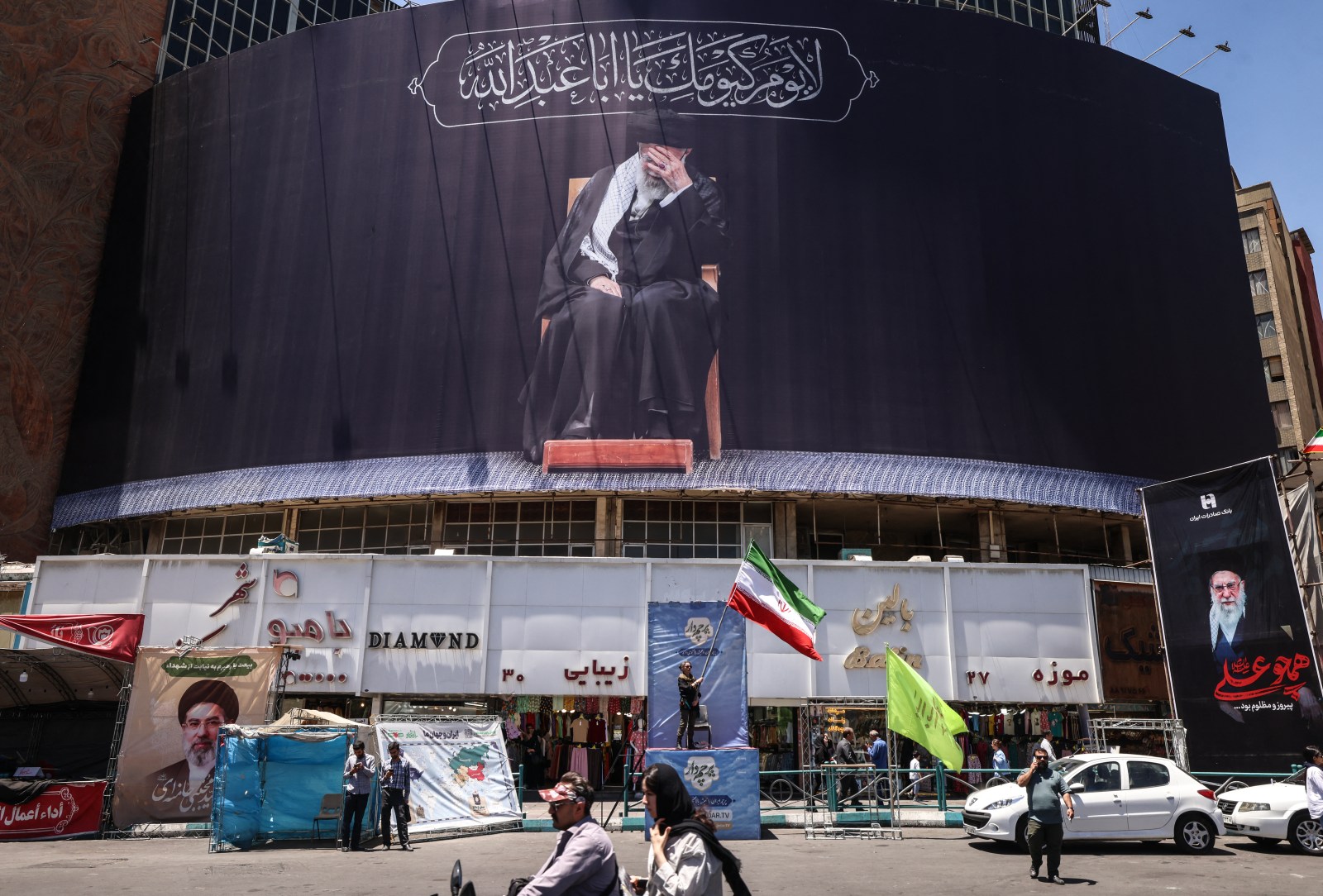
Tehran has demonstrated its ability to impact international oil and gas trade via the Strait of Hormuz, affecting Gulf Cooperation Council states like Saudi Arabia and the UAE. This ties the fate of the Persian Gulf conflict to the confrontation between Hezbollah, an ally of Tehran, and Israel. The White House has succeeded in removing Iran’s top leadership, including Supreme Leader Ayatollah Ali Khamenei, and has affected Iran’s military capabilities. However, President Donald Trump’s victory is clouded by the rise of a more assertive Iran under Khamenei’s successor, Mojtaba.
According to Sina Azodi, an assistant professor at George Washington University’s Elliott School of International Affairs, Iran has reinforced its position, demonstrating its ability to engage both the U.S. and Israel. He suggested a potential scenario where clashes might continue below full-scale war, causing further harm to Tehran but offering limited strategic benefits for Washington. The aim is to end the war and prevent further escalation.
Ali Vaez from the International Crisis Group highlighted that the U.S. aims to reopen the Strait of Hormuz while Iran seeks economic relief. The MoU serves the purpose of stabilizing the situation temporarily, providing room for negotiation.
The deal reportedly includes a 60-day ceasefire extension and an end to opposing Iranian and U.S. blockades of the Strait of Hormuz. It remains unclear if the MoU addresses Iran’s nuclear program or support for allies like Hezbollah.
U.S. Vice President JD Vance mentioned Iranian officials accepting to lessen aid to non-state partners. The Trump administration is open to offering sanctions relief if Iran pledges long-term commitments, including giving up its nuclear weapons program. Though no specifics were provided, Vance assured no frozen Iranian funds will be released yet.
Trump described the deal as a strong preventative measure against Iran obtaining nuclear weapons, contrasting it with the 2015 Joint Comprehensive Plan of Action (JCPOA). Iranian officials deny seeking nuclear weapons, although uranium enrichment increased after Trump exited the JCPOA in 2018.
Negotiations aimed at reaching a new deal last year led Trump to target Iranian nuclear facilities alongside Israeli operations, resulting in the 12-Day War. Trump indicated Iran could enrich uranium at non-military levels as part of a subsequent deal, following the MoU signing in Switzerland.
Iranian officials, including President Masoud Pezeshkian, have spoken minimally about the MoU, portraying it as a triumph against foreign aggression.
Mara Rudman from the University of Virginia’s Miller Center noted that reestablishing Strait of Hormuz traffic and tackling the Iranian nuclear matter would represent a true breakthrough. She argued that the U.S.’s position in negotiations would be stronger had it not exited the previous agreement in 2018.
Ali Vaez emphasized the U.S. and Iran are motivated by fear rather than trust, acknowledging military force inflicts pain without resolving underlying issues.
Masoud Rezaei from the Center for Middle East Strategic Studies described a doctrine of mutually assured vulnerability inherent in U.S.-Iran relations, a shift from classical nuclear deterrence. This opens paths for negotiation.
Rezaei remarked Iran’s reliance on the Strait of Hormuz as leverage in negotiations. Iran’s ability to affect maritime traffic might compel global actors to enter negotiations on sanctions relief, altering the dynamics of economic pressure.