
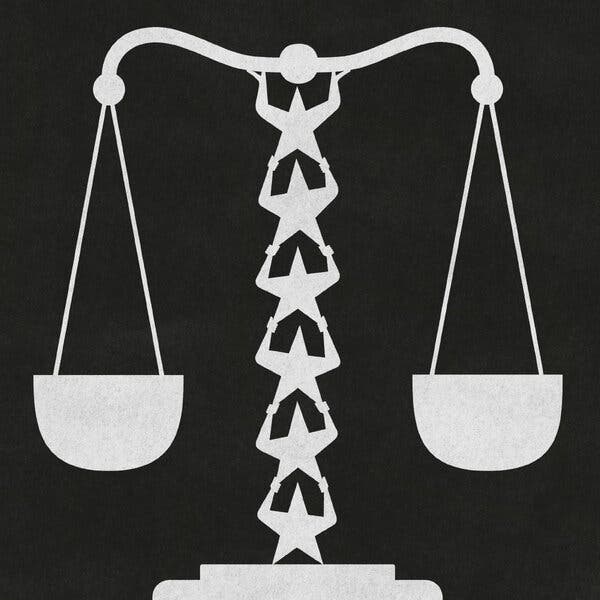
Tim Wu, a law professor at Columbia and contributing Opinion writer, discusses recent actions by President Trump, specifically the pardon granted to Stephen Buyer, a former Indiana congressman convicted of insider trading in 2023. President Trump has pardoned several well-connected and wealthy individuals, creating an impression that his friends and donors are above the law.
The president’s pardon power is highly discretionary, which may give an impression of no recourse. However, there is a viable solution: states can prosecute those wrongfully pardoned if their actions violate state laws. State prosecutions remain unaffected by federal pardons, reinforcing their role as separate sovereigns.
An illustrative case is Joseph Schwartz, who pleaded guilty to federal tax crimes linked to a fraudulent nursing home enterprise and was pardoned by President Trump. Despite the pardon, Schwartz faced consequences in Arkansas, where he had been convicted of Medicaid fraud and tax evasion. The Arkansas attorney general, Tim Griffin, enforced his state sentence, requiring restitution of over $1 million.
Similarly, Trevor Milton, convicted in 2022 for defrauding investors in the electric truck company Nikola, was pardoned in 2025. Arizona, where Nikola was based, could initiate state prosecutions for fraud, aided by other states, to uphold justice.