
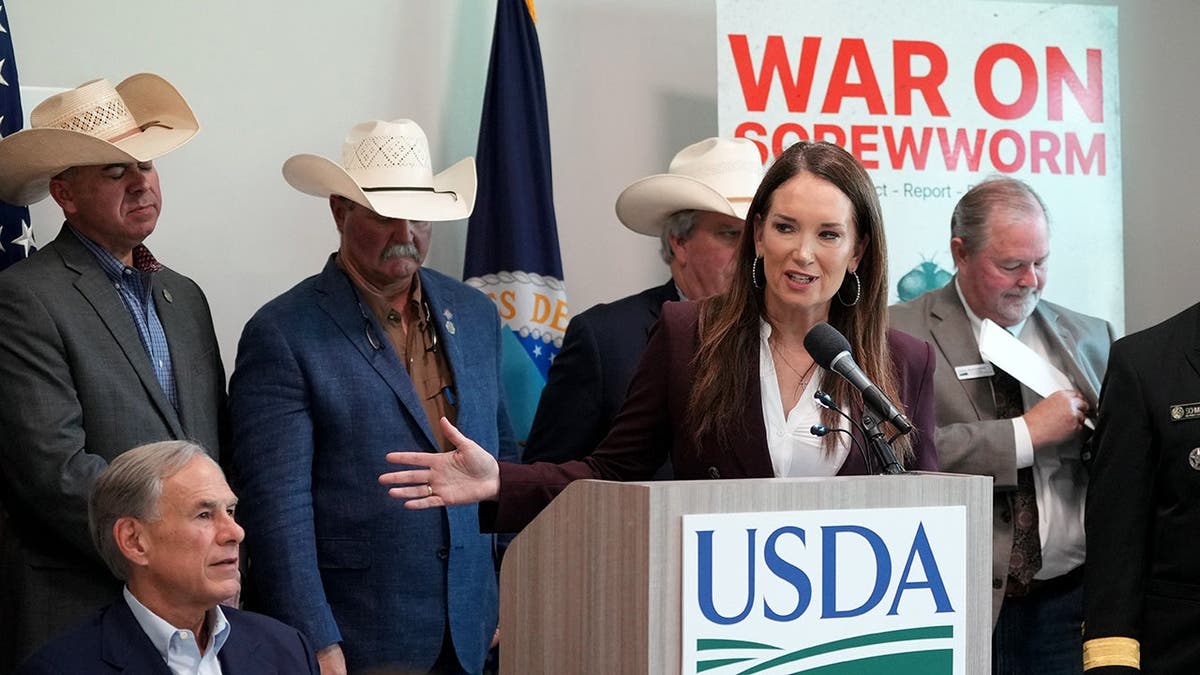
The New World Screwworm (NWS), a parasitic fly that preys on the flesh of warm-blooded animals, has surfaced in South Texas. The USDA’s Animal and Plant Health Inspection Service confirmed on June 3 that NWS larvae were discovered in a calf’s umbilical area in Zavala County, Texas. By June 11, officials reported six confirmed cases, according to Fox7 Austin.
According to USDA, NWS is a grave threat to livestock, pets, and wildlife. The larvae burrow into living animals, causing serious harm and financial losses. While they don’t make meat unsafe, they risk increasing beef prices, which are already at record highs.
Brooke Rollins, U.S. Secretary of Agriculture, announced on May 11, 2025, the suspension of live animal imports through U.S. ports on the southern border due to the NWS’s rapid spread from Mexico. This decision followed predictions that the NWS would enter the U.S. in 2025, with efforts to delay its arrival involving various administrative and local partners.
“USDA invested heavily in tools to eliminate NWS as case numbers rose in Central America and Mexico,” said Dudley Hoskins, USDA Under Secretary for Marketing and Regulatory Programs. “America defeated this pest before, and we will defeat it again.”
The USDA has deployed an APHIS strike team in Texas, embracing a swift response involving sterile male fly releases and quarantines to control movement.
NWS eradication began in the 1920s and 1930s with the Screwworm Adult Suppression System (SWASS), which uses a bait mix containing insecticides. Sterile male flies were released to prevent reproduction as females only breed once. In 1966, it was declared that screwworms had been eradicated in the U.S.
Texas Agriculture Commissioner Sid Miller criticized the USDA’s response to the resurgence. Despite dispersal of billions of sterile flies, NWS advanced over 1,100 miles from Mexico to Texas.
“USDA missed a crucial component and relied on a partial solution,” Miller said. “I shared research and SWASS formulas multiple times to address the northward NWS progression.”
Miller appealed to President Trump to take charge of NWS response, suggesting immediate SWASS deployment and federal resources to avoid a full agricultural disaster.
Texas Land Commissioner, Dr. Dawn Buckingham, manages over 13 million acres of state land. Her office offered full access to these lands to aid in the government’s response to this growing threat. Screwworms jeopardize livestock by burrowing into cattle flesh and feasting on their tissue.
Buckingham indicated meetings with South Texas ranchers months ago revealed the screwworm march up through Central America and Mexico. Though they were pushed to South America years ago, the mobile human population aids their return.
“Insects travel easily, whether they’re on a fruit truck, animals, or an infected person. Diseases spread faster than before,” Buckingham said.
Buckingham reassured that medication exists to treat screwworms. Past battles against them suggest the NWS can be managed effectively again without reinventing tactics.