
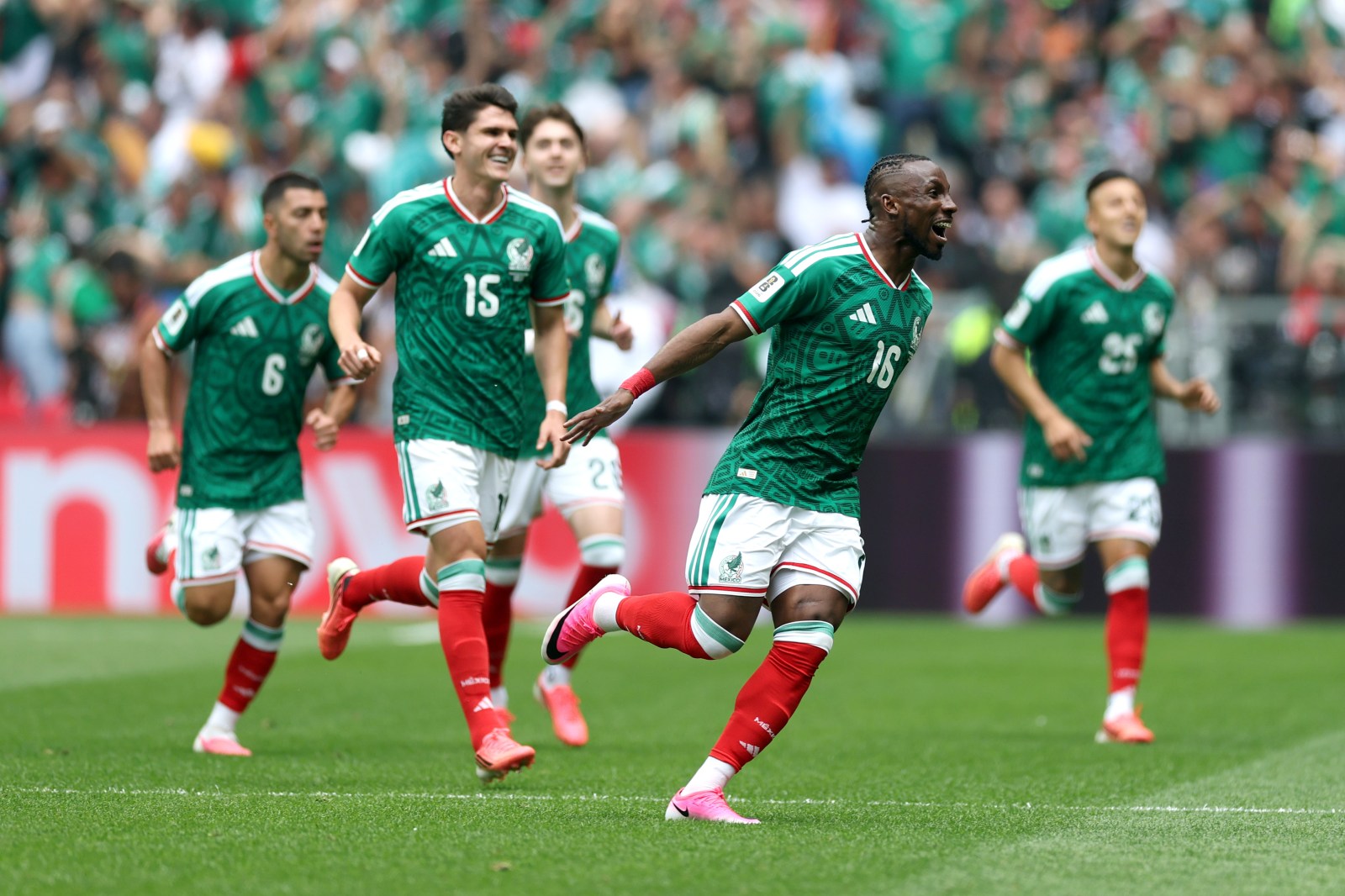
The 2026 FIFA World Cup began in Mexico City with excitement but was overshadowed by chaos and a medical emergency. A man suffered a heart attack outside Estadio Azteca amidst violent clashes. Details remain unclear, yet reports state the heart attack occurred before the Mexico-South Africa match. The role of the intense heat is uncertain, although FIFA introduced hydration breaks for players, which some criticized as a revenue tactic.
Medical Emergency at the World Cup
Before the match, a man experienced a heart attack, according to the Secretaría de Seguridad Ciudadana de la Ciudad de México (SSC). Social media videos showed medical staff aiding the man near stadium gates. One video with over 2 million views claimed his death, but the SSC denied this, confirming he received hospital care and was stable. The man’s identity remains undisclosed, identified only as a foreign national.
Violence Mars Opening Match
Protests outside the stadium turned violent when demonstrators clashed with police. Protesters, driven by issues like cartel violence and government accountability, threw objects, leading to a forceful police response. Concerns included social injustices and the immense World Cup hosting expenses amidst pressing domestic challenges.
Mexico’s World Cup History
Mexico is a seasoned participant in World Cup history, making its 18th appearance this year. Despite its prominence, victory in the tournament has eluded Mexico. The team achieved its best results on home soil in 1970 and 1986, reaching the quarterfinals. Recently, Mexico consistently reaches the Round of 16 but struggles to progress further. As a co-host in 2026, the team aspires to overcome past limitations and succeed on home turf.
Upcoming Matches and Tournament Details
Following the opening bout, upcoming games include Canada vs. Bosnia and Herzegovina in Toronto and the United States vs. Paraguay in Los Angeles. The 2026 tournament expands to 48 teams in 12 groups, the largest ever. Each team plays three group-stage matches, advancing to an expanded knockout stage starting with the Round of 32.
The World Cup runs until July 19, ending at the MetLife Stadium in New Jersey. Spanning 16 host cities in the U.S., Mexico, and Canada, it features 104 matches, making it the largest World Cup. The opening event in Mexico City, despite its challenges, launches what FIFA anticipates as the most widely attended tournament.
While the event aimed to celebrate global soccer, incidents outside the stadium highlighted enduring issues of security, societal inequality, and the financial implications of hosting the world’s most-watched sporting event.