
Improved Scores Among 9-Year-Olds
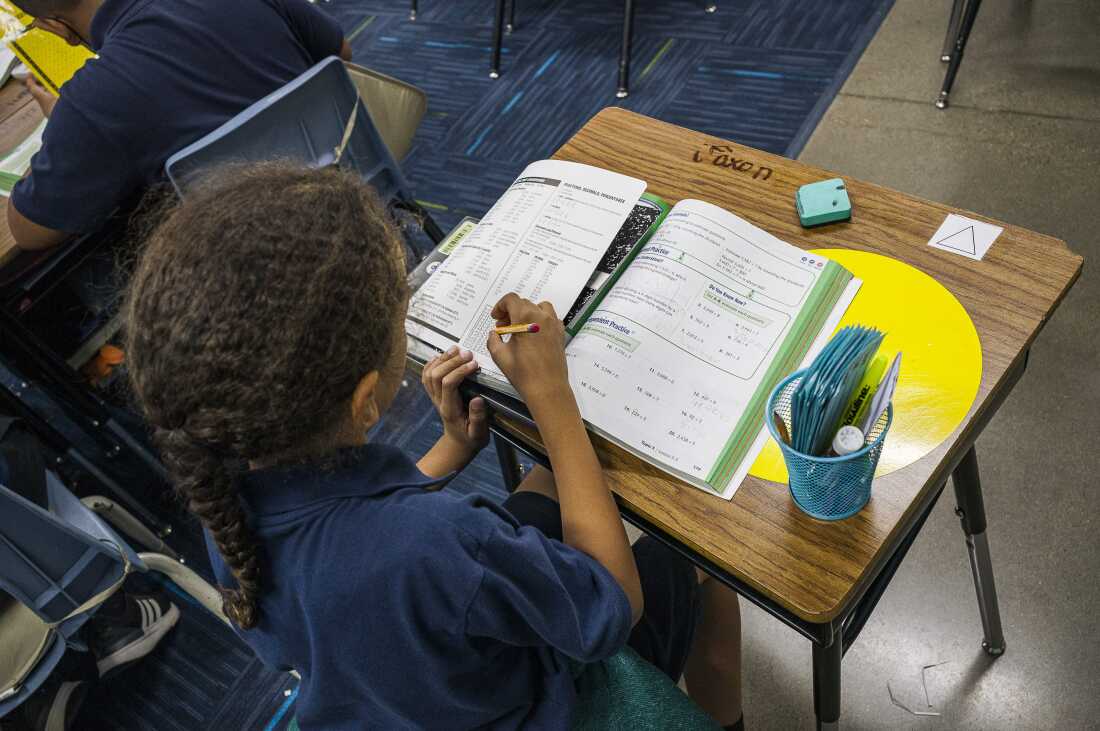
The latest National Assessment of Educational Progress (NAEP) results reveal that 9-year-old students have shown an upward trend in reading and math scores between 2022 and 2025. According to Matthew Soldner, acting commissioner of the National Center for Education Statistics, these findings are encouraging. Even lower-performing students have made progress, which is a positive indicator for future education strategies.
Researchers suggest that these gains might be linked to the students’ age during the pandemic. These children were four years old when COVID-19 struck, meaning their classroom learning began once schools returned to in-person instruction. This may have prevented them from missing key lessons, a hopeful sign for recovering declines predating the pandemic.
Challenges Faced by 13-Year-Old Students
However, the same optimism doesn’t extend to 13-year-olds, whose scores in reading and math have not shown significant improvement since the last assessment. Average reading scores, including those for Hispanic and white students, remain below pre-pandemic levels and mirror performances from the initial test administered in 1971.
Lesley Muldoon, executive director of the National Assessment Governing Board, emphasizes the importance of addressing these stagnant results, calling for change in educational policy and practices. For these students, disrupted early schooling due to the pandemic might be contributing to current performance challenges.
Decline in Reading for Pleasure
Another concerning trend is the decline in reading for enjoyment. Only 14% of 13-year-olds reported reading daily for fun in recent assessments, compared to 35% in 1984. While 37% of 9-year-olds read for fun each day, this figure has decreased sharply from past data.
Math Gains Diminished for Older Students
The report also highlights a reversal in math progress for 13-year-olds. Gains achieved between 1978 and 2012 have diminished, especially for the lowest-performing students, whose scores show no improvement compared to 1978 results.
Muldoon advises that increased national focus on middle school years could foster improvement, noting past successes provide hope for future advancements.
Future of the Long-Term Trend Report
This release is notable as it is likely the last NAEP long-term trend report for some time. Budget cuts within the U.S. Education Department resulted in layoffs at the Institute of Education Sciences and the cancellation of several assessments, including those planned through 2032. The next iteration of these tests is set for 2033.
Despite these setbacks, the long-term data presented holds valuable insights for educational policy development, and future efforts must prioritize restoring these measurement tools.
Edited by: Nirvi Shah. Visual design and development by: LA Johnson.