
The Justice Department has launched an investigation into the NFL’s exclusive streaming agreements. There is growing discontent among fans over expensive and fragmented access to games. FCC Chairman Brendan Carr has raised questions about the league’s continuation of its antitrust exemption. This exemption was originally established under the 1961 Sports Broadcasting Act.
Fox News contributor Jonathan Turley suggests Congress scrutinize the NFL’s monopoly structure. The league earns $25 billion annually, contributing to escalating costs for fans.
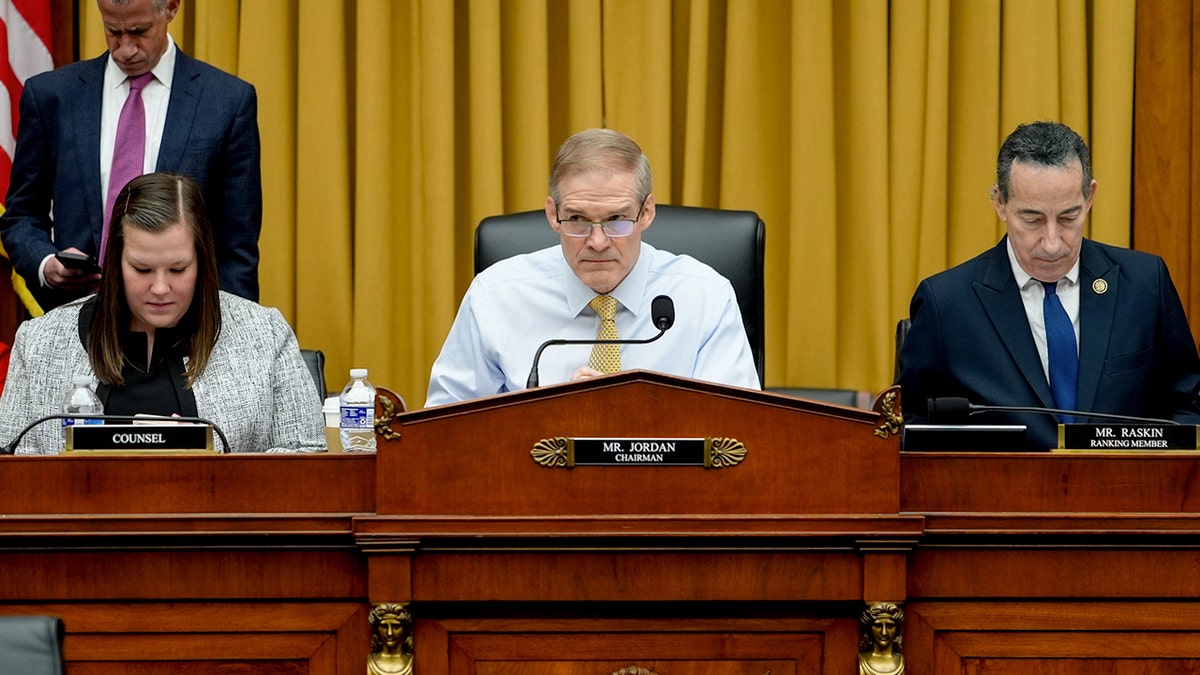
The House Judiciary Committee’s report criticizes the NFL for bypassing the narrow guidelines of its antitrust exemption as defined in the 1961 Sports Broadcasting Act.
The report argues the exemption was intended to make games widely available on free television. Initially, it aimed to support a struggling league. Since 1961, however, this exemption has reportedly facilitated the rise of one of the world’s most dominant sports media empires.
The report homes in on the NFL’s Sunday Ticket service. A 2024 jury found that the NFL breached antitrust laws, awarding plaintiffs over $4.796 billion in damages, though this decision was later overturned.
Internal data suggest that the majority of Sunday Ticket buyers aren’t avid football fans. Instead, they tend to be fans seeking to follow a single out-of-market team.
Controversy surrounds EverPass Media, which will become the exclusive commercial provider for NFL Sunday Ticket starting in 2026. There were propositions like ESPN’s, offering the package at $70 per season, which the NFL declined. The league also rejected proposals that would allow fans to choose a single team’s games, constraining consumer flexibility.
The report calls out the NFL for misleading claims that most Sunday Ticket subscribers are avid fans. It’s a significant point of contention, suggesting fans pay for costly bundles instead of targeted content.
NFL Commissioner Roger Goodell, during the 2025 NFL Draft, continued to promote the league’s audience engagement strategies.
The analysis spotlights concerns about the NFL’s television rights structure. Critics argue it’s a precariously constructed model reliant on its antitrust exemption. The NFL maintains that 87% of its games are on free broadcast TV. However, the availability widely fluctuates based on geographic location.
Legislative scrutiny may increase, pressuring the NFL to potentially alter its media model. If Congress or courts adjust the league’s antitrust exemption, the NFL’s consolidated media approach could falter. Individual teams might need to negotiate their own broadcast deals. Currently, the collective broadcast model yields deals like the recent $110 billion contracts.
A change of this nature could dismantle the NFL’s revenue-sharing system, disturbing competitive balance. As noted by a league insider, “this issue is almost everything” for the NFL’s operational model.