
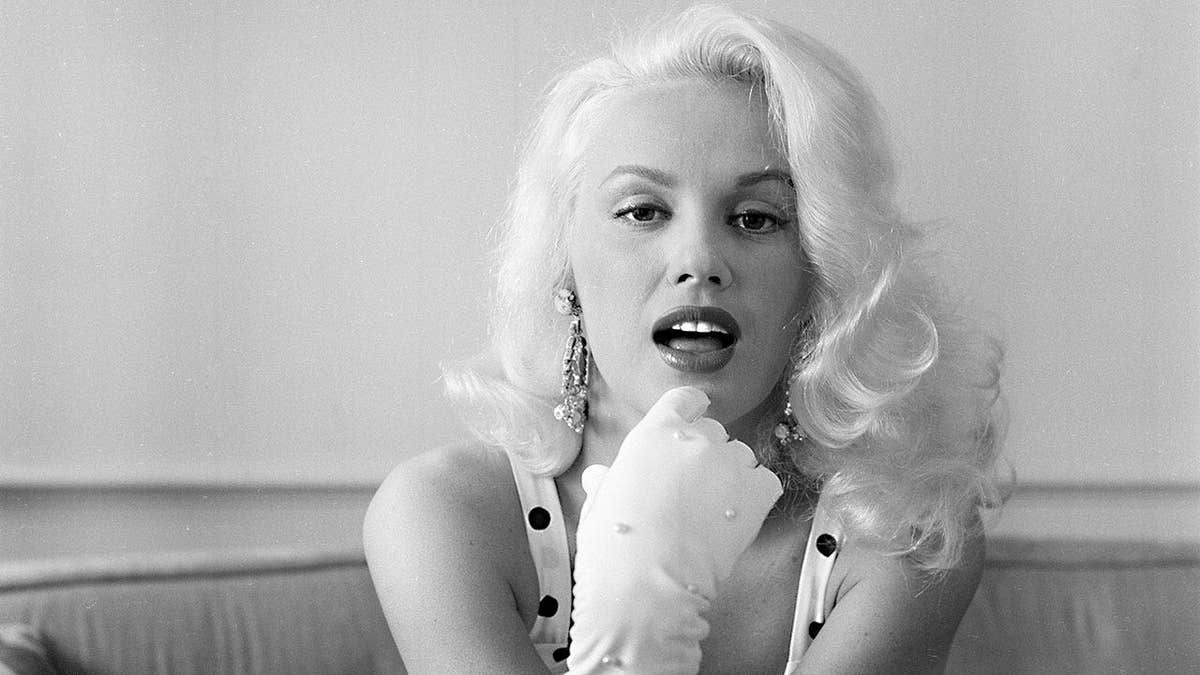
Mamie Van Doren, at 95, is sharing untold truths from her long career in show business. Her new memoir, “You Thought I Was Dead: My Life of Celebrities, Sex, and Champagne,” reveals her experiences, including those with Hollywood’s notorious casting couch. Additionally, a documentary about her life is in production.
In the book, Van Doren discusses the ongoing issue of exploitation in the industry. She mentions the downfall of known figures like Bill Cosby and Harvey Weinstein through the #MeToo movement. “Women should feel empowered by the support of their sisters,” she emphasizes, highlighting the persistent challenges faced by young actresses.
Predatory brutes like Bill Cosby and Harvey Weinstein have been ousted, tried, and punished by the #MeToo movement.
Van Doren describes Hollywood’s Golden Age as a time rife with predatory behavior. She recalls her own struggles with the casting couch, feeling “used” and “guilty.” These experiences confront the harsh realities of the industry’s promises and threats.
Her reflections include interactions with other blond bombshells like Marilyn Monroe and Dorothy Stratten, who faced tragic ends. Van Doren calls Hollywood a place where dreams often turn into nightmares, despite her own longevity and resilience.
Beyond Hollywood, Van Doren details her time entertaining troops during the Vietnam War. She recounts an emotional moment with a soldier named Charlie, who gave her his Zippo lighter for luck. Sadly, Charlie was killed shortly after, marking a poignant memory.
I flicked Charlie’s Zippo again and stared at the flame… ‘Goodbye, Charlie. May angels sing you on to heaven.’
Over the years, Van Doren has chosen a life away from the Hollywood spotlight. She left the scene in the ’60s, seeking a better environment for her son, away from the drugs and tragedies that claimed the lives of her peers.
Despite the challenges, Van Doren welcomes her enduring status as a sex symbol. She acknowledges it as a part of her identity, having opened doors in a conservative postwar era.
I think I was born with it. I certainly opened a lot of doors during a postwar time when things were very conservative.