
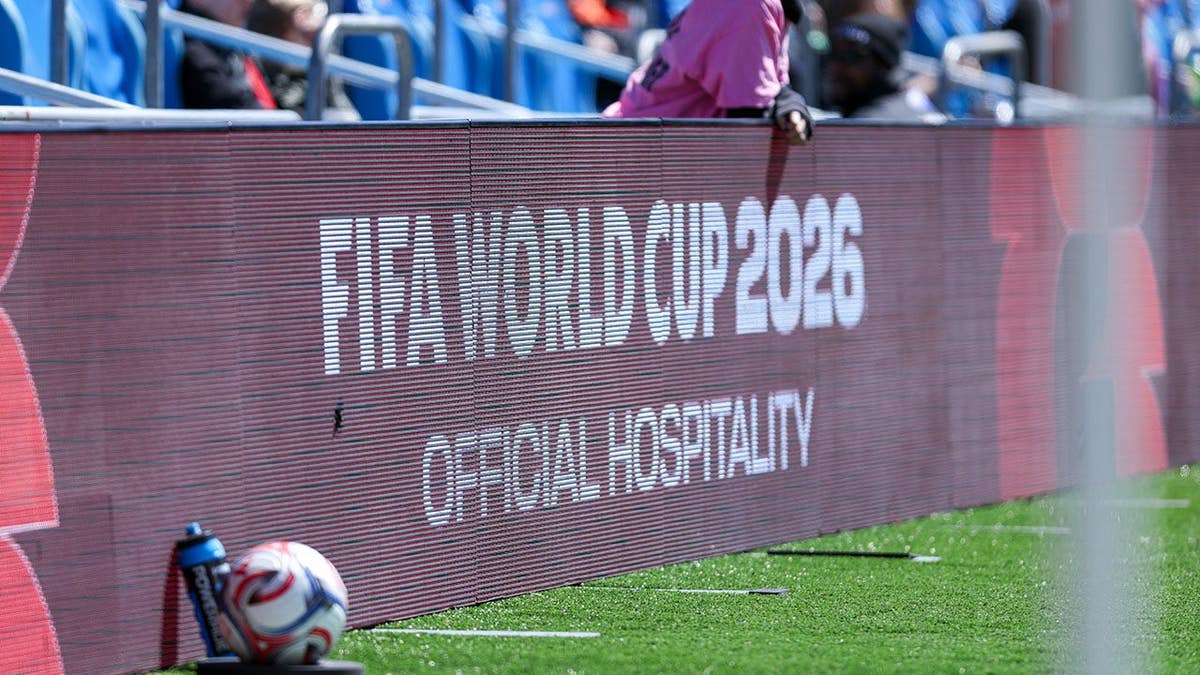
The excitement builds as the countdown to the FIFA World Cup 2026 continues. Recently, ‘Fox & Friends’ highlighted upcoming events, focusing on the Capitol Cup soccer match. Former USMNT Midfielder, Stu Holden, shared insights from Audi Field regarding the congressional match and expressed enthusiasm for soccer’s growing popularity in the U.S. He noted the underdog status of the national team ahead of the World Cup before participating in a lighthearted penalty-kick challenge.
FIFA introduced stricter rules for match days in the United States, Mexico, and Canada. Notably, they banned refillable plastic water bottles inside stadiums, reversing an earlier policy that allowed them under certain weather conditions. A FIFA representative explained to Reuters that this decision aims to safeguard players, referees, fans, volunteers, and staff from potential risks and injuries.
Previously, fan organizations like Free Lions were informed by FIFA about plans to provide free water access in stadiums, permitting fans to bring their own bottles. However, this change has left some confusion among fans regarding hydration plans during matches.
FIFA attributed these changes to existing regulations in some World Cup stadiums. The tournament, set in the middle of summer, raises concerns about heat, especially after last summer’s scorching final at MetLife Stadium, newly named New York/New Jersey Stadium. FIFA had assured extra measures such as shaded areas, misting systems, cooling buses, and additional water distribution for extreme heat, though it’s unclear if these plans stand.
For players, a mandatory three-minute cooling break is scheduled near the 22nd minute of each half to mitigate heat exhaustion risks. Evening matches and domed stadiums like SoFi Stadium in Inglewood, AT&T Stadium in Dallas, and Mercedes-Benz Stadium in Atlanta could help reduce these risks. However, the World Cup final in East Rutherford, New Jersey, will take place at 3 p.m. ET on July 19, at peak daytime temperatures.