
For ten years, Americans have watched as government shutdowns disrupt the economy and harm families. These shutdowns impact everyday life in significant ways. They cost the country over $11 billion in recent years.
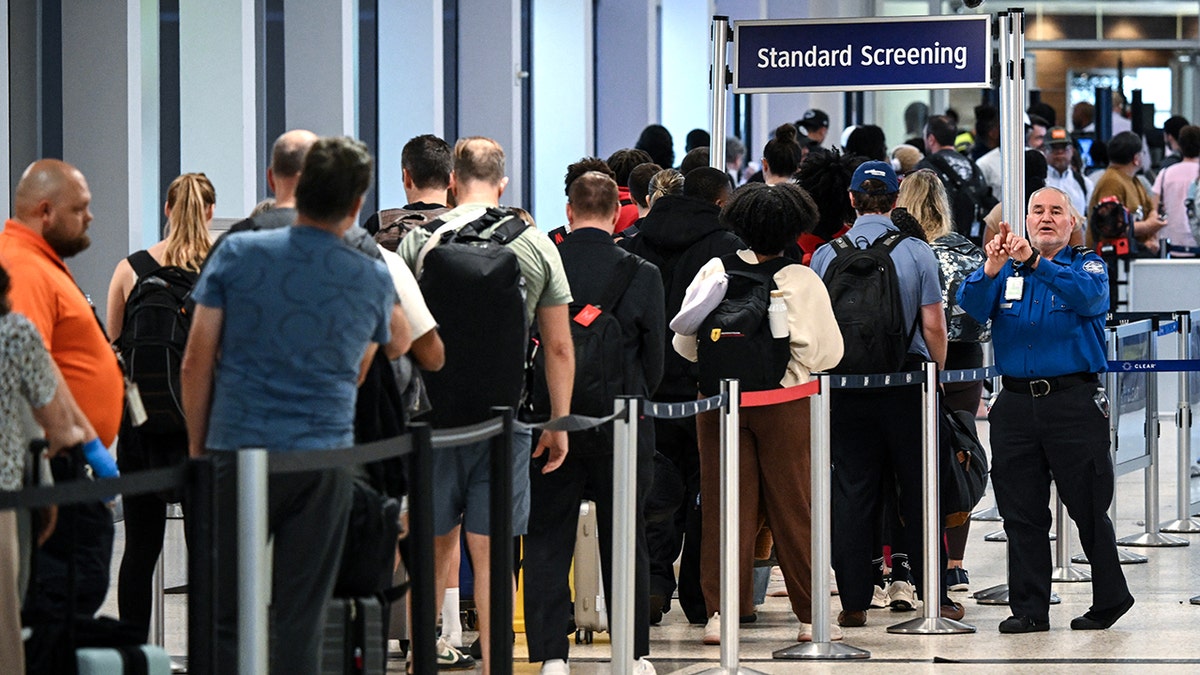
During a shutdown, the Transportation Security Administration (TSA) faces funding cuts, leading to long waits at airports. Air traffic controllers work without pay. Veterans and seniors find it harder to access essential services. The Small Business Administration struggles to support entrepreneurs.
Families worry about losing SNAP benefits. Shutdowns even threaten payments to service members who protect the nation. Such political standoffs portray America as vulnerable, showing that disputes can paralyze the world’s leading democracy.
Both parties have, at times, used shutdowns to make political points. Yet, it’s clear that citizens bear the brunt of this costly tactic.
The American public is frustrated. Both political parties have contributed to shutdowns, highlighting the need for a bipartisan solution.
Senators, a Republican and a Democrat, have proposed a principle of accountability: Congress must not let the public suffer from its failure to budget. Their proposal, the “Prevent Government Shutdowns Act of 2026,” aims to ensure that shutdowns do not occur.
If Congress fails to pass funding bills, an automatic Continuing Resolution (CR) would maintain federal spending levels. Meanwhile, lawmakers must stay in Washington to solve the budget issue without leaving. Only appropriation bills would be debated until resolved.
This approach shifts the impact of a shutdown onto Congress itself. Federal workers and essential services, including law enforcement and healthcare, continue without disruptions.
The bill received bipartisan support in its initial stages but needs more backing to succeed. A large group, including political organizations and the American Federation of Government Employees, now supports this measure.
Change in Washington is difficult. Yet, as evidenced by policy failures, a new approach to disagreements is necessary. Although differences exist on many fronts, consensus on preventing shutdowns is crucial.
Maggie Hassan, a Democrat, represents New Hampshire in the U.S. Senate and previously served as the state’s governor. James Lankford, a Republican, represents Oklahoma in the Senate.