
Church Leaders Ignore Mandated Reporting Duties
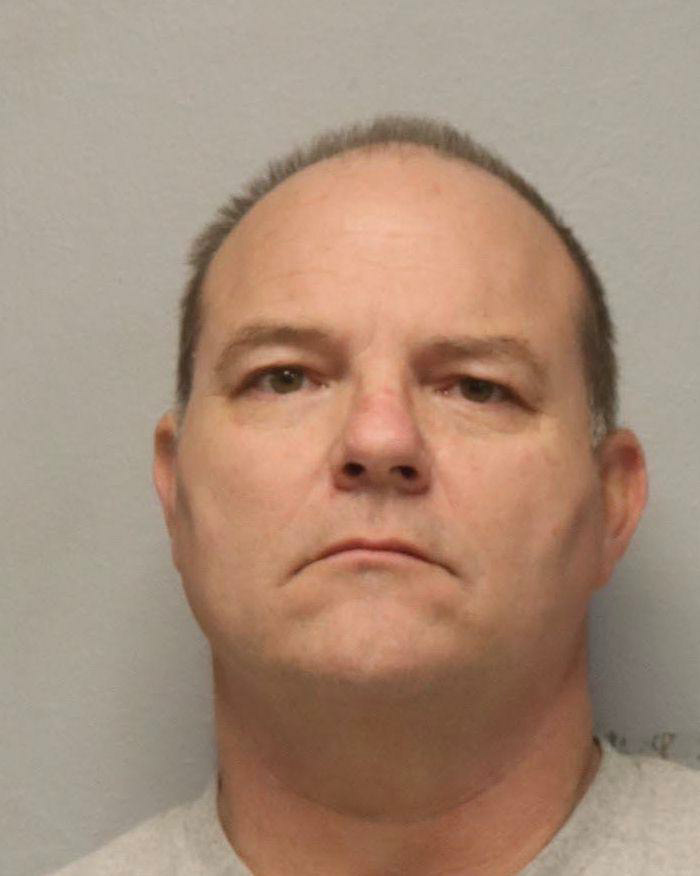
Minnesota’s Old Apostolic Lutheran Church leaders chose not to report a congregant, Clint Massie, to police for multiple years despite knowing about his sexual abuse of children. Church leaders, including Daryl Bruckelmyer, encouraged forgiveness and demanded that victims remain silent about their trauma, thus protecting the abuser and violating mandatory reporting laws.
Forgive and Forget: Church’s Doctrine
Victims of Massie’s abuse attended meetings where they were told to forgive him. Church leaders informed them that speaking about the abuse made them sinful. This practice enabled Massie to continue his actions unchecked within the community, according to an investigation by the Minnesota Star Tribune and ProPublica.
Victims reported anxiety and mental health struggles resulting from being pressured into silence. In therapy, some victims continued to process the trauma from years of abuse concealed by their religious community.
Prosecutors and Legal Failures
Prosecutors missed chances to intervene early by choosing to educate church leaders rather than pursue criminal charges. This inaction further allowed Massie’s abuses to go unreported to authorities for decades. Leaked church documents revealed a policy of discussing abuse with both the victims and the violators, which specialists say exacerbates trauma.
Massie pleaded guilty in 2024 to four counts of felony criminal sexual conduct with minors. Despite this, church officials, who enabled his behavior by failing to report, were never charged.
Victims Seek Justice and Reconciliation
More victims have come forward because of Massie’s guilty plea and subsequent conviction. Some of these victims, like Kyla Chamberlin, experienced familial discord as a result of the church’s stringent requirements for silence and forgiveness.
Although Massie is serving a 7 1/2-year prison sentence, victims like Chamberlin desire broader accountability. They are now pursuing legal action against church organizations in order to highlight the enduring harms and complicity in protecting abusers.
Throughout this case, the courage of many victims to speak has played a critical role in bringing these abuses to light, shining a spotlight on the systemic issues within closed religious communities.