
The conflict involving the United States and Iran has created significant challenges for global energy supplies. The Strait of Hormuz, a critical passage for oil transport, remains insecure despite efforts to clear mines. Insurers demand higher premiums, pushing up transport costs substantially.
Global markets are gradually adjusting to the reduced flow of resources from the Gulf region. This adaptation mirrors the changes seen during the Covid-19 pandemic and tariff impositions by the previous U.S. administration. The closure of the Strait has led to a reconfiguration of energy supply chains worldwide.
Consumers are reacting to increased fuel costs. For instance, Walmart reports that many people limit their gas purchases to less than ten gallons during each visit. Such behaviors signal a broader shift in consumer habits as prices climb.
Countries such as the United States, Brazil, Canada, Kazakhstan, and Venezuela are ramping up oil production to fill the gap. The U.S. has also released large quantities of oil from its Strategic Petroleum Reserve. The global market, much like a stream bypassing a blockage, seeks alternative supplies when traditional sources falter.
This transition is fraught with difficulties. Qatar’s economy depends on liquefied natural gas exports, which must pass through the Strait. Thus, the International Monetary Fund projects a 9% economic contraction for Qatar this year. Economic growth estimates for the Gulf region overall have more than halved due to these disruptions.
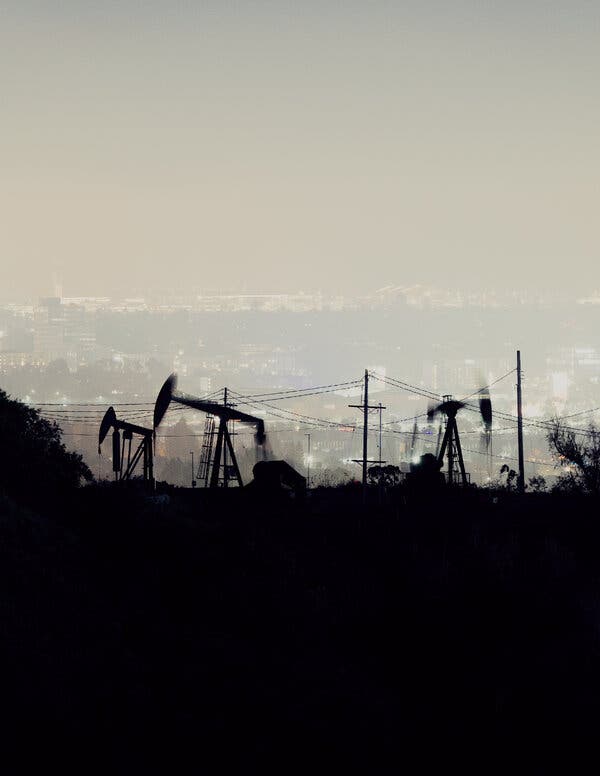
In the United States, the cost of gas remains high despite robust domestic production. California gas prices hover around $6 per gallon, while the national average is about $4.25. Since international markets influence prices, local supply abundance does little to mitigate costs. Rising natural gas prices have also impacted German petrochemical sectors, and shortages in Gulf fertilizer production are escalating food prices globally, affecting regions from Egypt to Indonesia.
Despite these hurdles, markets remain adaptable. Some oil continues to flow from the Gulf, either through daring shipments or pipelines from Saudi Arabia and the UAE, which can replace roughly a quarter of the normal sea shipments. Additionally, recent policy changes have softened sanctions on Russian oil, allowing for more supply to alleviate global shortages, amid controversy regarding the funding of geopolitical conflicts.