
The United States and Iran have exchanged missile and drone strikes, highlighting the fragile nature of a ceasefire that continues under pressure. Despite ongoing discussions, tensions remain high.
Recent Developments
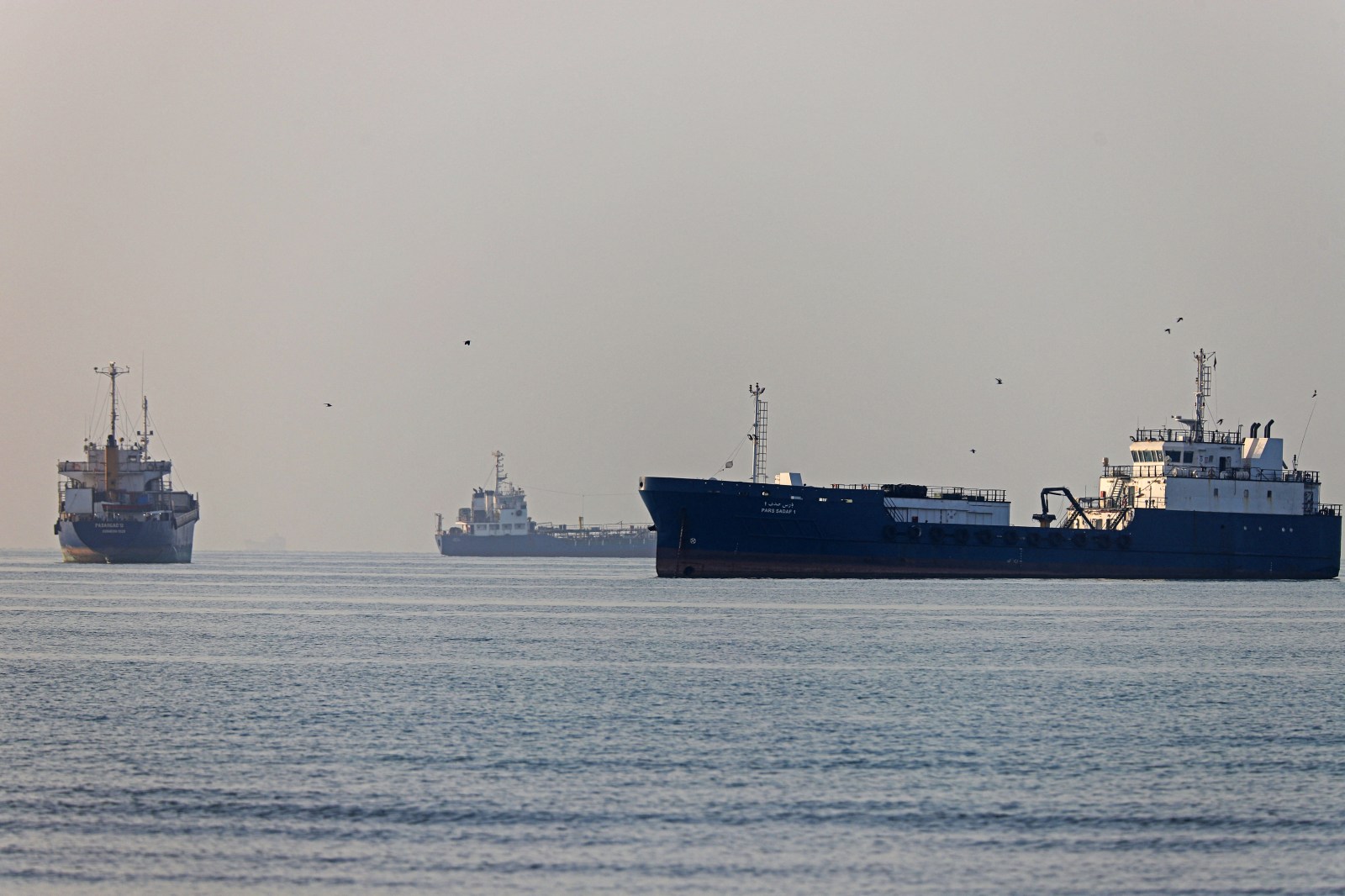
The U.S. targeted an empty oil tanker suspected of breaching a blockade on Iranian ports since April 13. During this period, six commercial vessels have been incapacitated and 122 redirected.
Iran responded by striking Kuwait’s international airport, causing damage and disrupting air traffic. Kuwait condemned the action as “criminal Iranian aggression.” The Islamic Revolutionary Guard’s Tasnim News shared footage claiming explosions at U.S. military bases in Kuwait. However, the U.S. Central Command (CENTCOM) stated that all drones were intercepted and no personnel were harmed.
Distrust persists, with CENTCOM reiterating the ceasefire’s purported status while the conflict shows no signs of resolution.
Military Strikes and Responses
On Tuesday, CENTCOM confirmed launching a Hellfire missile against the Botswana-flagged tanker Lexie, approaching an Iranian port. The missile, suited for precise strikes, emphasized the ongoing tension in the Strait of Hormuz. CENTCOM’s video release showed the missile strike after the tanker reportedly ignored multiple warnings from U.S. forces.
The U.S. conducted “self-defense” strikes on Qeshm Island, citing attempted Iranian attacks across the Middle East. Iran had launched missiles at Bahrain, none hitting their targets, indicating heightened hostilities.
President Donald Trump issued a statement urging Iran to negotiate, stressing the need for resolution after years of conflict.
Analysis and Commentary
Rajan Menon, an expert in International Relations, noted the closing window for a deal. He observed resistance to Trump’s negotiation strategy within the U.S., suggesting a looming possibility of renewed conflict if terms aren’t reached.
Menon compared the situation to a “game of chicken,” with both sides racing to avoid a war. Each party hopes the other will concede first, increasing the likelihood of a potential collision.
Iran’s Position
With oversight from Supreme Leader Mojtaba Khamenei, Iran proceeds with negotiations. Ali Nikzad indicated adherence to established “red lines” in discussions.
Meanwhile, Trita Parsi of the Quincy Institute shared insights from Iran, suggesting Tehran has shifted strategies. Iran reportedly retaliates more forcefully to U.S. actions.
Looking Forward
Former U.S. official Len Khodorkovsky urged empowering the Iranian populace, referencing protests led by Crown Prince Reza Pahlavi as catalysts for change. Khodorkovsky emphasized the opportunity for Trump to transform Middle East relations by fostering long-term peace through strategic diplomacy.