
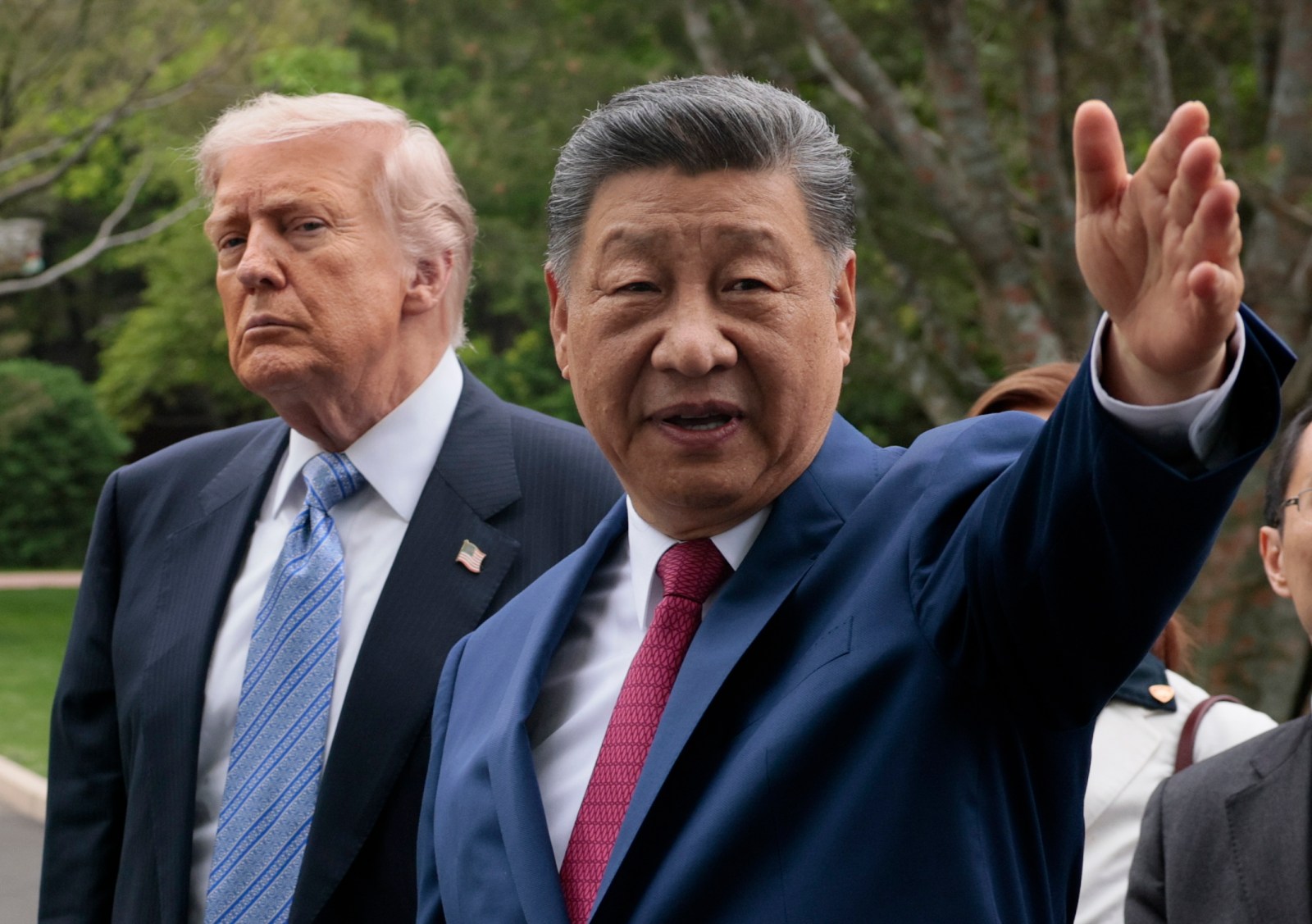
Chinese leader Xi Jinping highlighted the importance of understanding emerging technologies to maintain China’s competitive edge in the global economy. He emphasized this in a speech on January 30, which the Communist Party published in its official journal, Qiushi. Xi stated, “Leading cadres at all levels must effectively strengthen their knowledge of frontier science and technology, improve their professional capabilities and make efforts to understand science and technology, understand the industries, and make good decisions.”
Xi reiterated calls to advance technologies such as quantum computing, biomanufacturing, hydrogen and nuclear fusion energy, brain-computer interfaces, embodied AI, and 6G as avenues for economic growth. He told the Politburo that nurturing future industry leaders is crucial for China to secure technological leadership. By identifying key industries and leveraging choke points, China has succeeded in dominating green technology and controlling the supply of rare earth metals essential for their production.
Upgrading the World’s Factory
Over the past two decades, Beijing invested trillions in state funding to establish a global dependence on Chinese manufacturing. This involved allocating land and allowing subsidized local companies to bypass fiscal and environmental standards, unlike Western liberal democracies.
China’s strategic industrial policies have fostered powerful companies that dominate markets in sectors from electric vehicles to IT. For instance, electric car manufacturer BYD benefits from under-market loans, tax concessions, and vertically integrated supply chains, enabling cost-effective large-scale production. Consequently, BYD’s pricing surpasses competitors in Europe and globally.
By 2025, BYD surpassed Tesla as the leading EV seller worldwide. In Europe, BYD ranks third among the best-selling EV brands, following Volkswagen and BMW, as reported by the European Commission in March. In response, the U.S. has placed restrictions on Chinese-made electric vehicles, and the European Union is shifting from tariffs to price controls.
China aims to spearhead a technological revolution centered on AI, robotics, and smart devices in households. It seeks leadership in global scientific breakthroughs and to replace the U.S. as the primary provider of online services and connected hardware that will drive future economic growth. The nation is investing in infrastructure, including extensive power grids, to sustain decades of AI research. Achieving computing power parity with the U.S. remains uncertain.
The initiative may counteract economic challenges China faces, such as an aging population and global resistance to its industrial policies.
Unlevel Playing Field
An OECD report released on Monday indicates that industrial subsidies in 15 key sectors have reached their highest since the 2008 financial crisis when various governments, including the U.S., rescued banks and automakers.
The report shows Chinese firms received 52% of the $108 billion in global subsidies in 2024. Among the world’s largest firms examined, about 22% of their growth from 2005 to 2023 is attributed to subsidies via grants, tax breaks, and cheap loans.
The OECD noted that nearly 60% of Chinese firms’ global market share gains are due to these subsidies. Chinese companies received three to eight times more subsidies than their OECD counterparts.
“Similar to doping in sports, there is a risk that subsidies allow less productive players to win over more innovative and efficient ones,” the report stated. “This could impose long-term costs on the global economy by reducing innovation, product quality, and competition, even as consumers benefit from lower prices in the short term.”
The Chinese government attributes its companies’ dominance in strategic industries to their competitiveness.